2026 Top Private Label Bedding Trends for Global Buyers?
In the evolving world of Private Label Bedding, the trends shaping 2026 promise innovation and consumer engagement. According to a recent report from MarketResearchFuture, the global bedding market is expected to reach $90 billion by 2026, with a significant portion attributed to private labels. This shift reflects a growing preference for customized and affordable bedding options among consumers.
Industry expert Sarah Turner highlights, “Private Label Bedding is not just about pricing; it's the connection brands create with their customers.” This sentiment emphasizes the need for brands to understand consumer tastes deeply. The demand for sustainable materials and unique designs continues to rise, pushing private label companies to adapt rapidly.
Innovations in technology, such as smart bedding, are also redefining this segment. Customers seek products that enhance their comfort and wellbeing. While the future is bright, challenges remain. Brands must balance quality, cost, and innovation. As competition increases, staying ahead in private label bedding demands constant reflection and adaptation.
Top Emerging Materials for Private Label Bedding in 2026
In 2026, private label bedding will witness noteworthy innovations in materials. Eco-friendly fabrics are emerging as key favorites among consumers. Organic cotton and bamboo blends are increasingly popular for their softness and sustainability. These materials not only appeal to eco-conscious buyers but also offer durability and comfort.
Innovative synthetic fabrics are gaining traction too. New advancements in microfiber technology enhance breathability and moisture-wicking properties. This means better sleep experiences, especially in warmer climates. However, not all synthetic options are environmentally friendly. Brands must carefully evaluate their material sourcing for long-term sustainability.
Recycling initiatives are promoting upcycled materials in bedding. Products made from recycled plastics are becoming more common. They provide an interesting alternative for consumers looking to reduce waste. Still, the challenge lies in ensuring these materials meet quality and comfort standards. The bedding industry is evolving, and so must its players.
Sustainable Practices Shaping the Future of Bedding Production
Sustainable practices are transforming the bedding industry. More brands are prioritizing eco-friendly materials and processes. Organic cotton, recycled fabrics, and plant-based dyes are becoming popular choices. These innovations not only reduce environmental impact but also appeal to conscious consumers.
When selecting bedding products, consider the lifecycle of materials. Sustainability starts from sourcing and extends to production. Look for certifications that guarantee eco-friendly practices. This helps ensure that you are supporting responsible brands.
Tip: Check for labels that indicate carbon-neutral production. This is a good sign that the brand is committed to minimizing its environmental footprint. Always research the companies you buy from. Some may overstate their sustainable claims. Transparency is key in understanding their practices.
Embracing sustainable bedding can be challenging. Many options may not meet your expectations for comfort or durability. It's essential to find a balance between eco-friendliness and quality. Test different materials to see what works best for you. Your choices can inspire others to consider sustainability in their purchases.
2026 Top Private Label Bedding Trends for Global Buyers
| Trend | Description | Sustainability Focus | Consumer Preference | Expected Growth (%) |
| Eco-friendly Materials | Utilization of organic and recycled textiles. | High | Increasing demand for sustainable products. | 20% |
| Biodegradable Bedding | Bedding that decomposes naturally after disposal. | Medium | Growing awareness of environmental impacts. | 15% |
| Energy Efficient Manufacturing | Production processes that reduce energy consumption. | High | Preference for brands that prioritize energy efficiency. | 18% |
| Local Sourcing | Using locally sourced materials to reduce carbon footprint. | High | Support for local economies and reduced shipping costs. | 10% |
| Smart Textiles | Bedding that incorporates technology for health and comfort monitoring. | Medium | Interest in health-tracking sleep solutions. | 25% |
Design Innovations: Color Palettes and Patterns Dominating 2026 Bedding
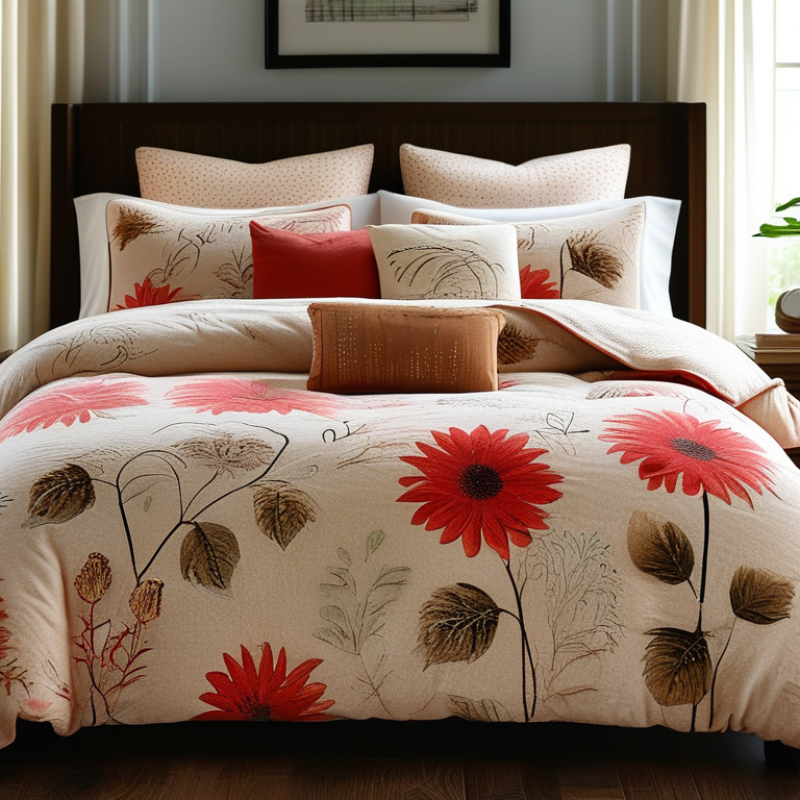
As we approach 2026, the world of bedding design is evolving. Color palettes and patterns have become vital elements in creating a distinctive and inviting bedroom environment. Soft pastels are becoming more prevalent. Shades like muted lavender and pale blue appeal to those seeking tranquility. Meanwhile, bolder earthy tones, such as terracotta and deep greens, are gaining popularity for their grounding effect.
Pattern innovation plays a crucial role in this transformation. Geometric designs are making a comeback, offering a contemporary twist on classic motifs. Floral patterns are evolving too, with abstract interpretations providing a fresh spin. These designs cater to diverse tastes, encouraging buyers to explore unique combinations. However, finding the right balance between color and pattern can be challenging. Some designs may clash rather than complement, highlighting the need for thoughtful curation.
Texture is another factor worth noting. The mix of smooth linens and textured weaves introduces depth to bedding collections. This layering effect makes bedding not just visually appealing but also inviting to touch. As trends shift, staying ahead requires keen observation of these evolving preferences. There’s room for experimentation while remembering that harmony in design is key.
Market Insights: Consumer Preferences and Trends in Bedding Purchases
The bedding market is evolving rapidly, shaped by changing consumer preferences. Recent studies indicate that over 70% of global buyers prioritize comfort when choosing bedding. This trend reflects a growing awareness of sleep health. A significant number of consumers are ready to invest in products that enhance their sleep quality. They view bedding as an essential component of their overall well-being.
Sustainability is another key factor influencing buyer decisions. A report from the Global Textile Industry shows that 60% of consumers are inclined to choose eco-friendly bedding. They seek materials that are organic, non-toxic, and produced through sustainable practices. This shift suggests that companies need to innovate while being mindful of environmental impacts. Many brands still struggle with transparency in sourcing. Therefore, improving communication is essential.
Tips for buyers: Look for certifications like GOTS or OEKO-TEX when purchasing bedding. These labels ensure the quality and safety of materials. Don’t hesitate to ask manufacturers about their sourcing and production processes. In this way, you can make informed choices that align with your values. As preferences evolve, staying educated is key for making the best bedding decisions.
Global Sourcing Strategies for Competitive Private Label Bedding Solutions
In the competitive world of private label bedding, global sourcing strategies are crucial for success. Companies need to explore various markets to identify unique materials and manufacturing techniques. This exploration provides an edge in product offerings. Sourcing from different regions can also allow brands to target diverse customer preferences and price points.
Quality should remain a top priority when developing private label products. Companies must establish reliable connections with manufacturers who adhere to quality standards. Conducting regular audits can reinforce trust in the sourcing process. It’s essential to find a balance between cost and quality to maintain competitive pricing while satisfying customer expectations.
While sustainability is becoming increasingly important, challenges remain. Suppliers may struggle with eco-friendly materials and ethical practices. Brands should strive for transparency in their supply chains. Monitoring and addressing these issues can enhance a company's reputation and consumer trust. The bedding market is evolving, and staying ahead requires ongoing reflection and adaptation to emerging trends.