Top 10 Benefits of Using a Bedroom Air Purifier for Better Sleep Quality
A good night’s sleep is essential for overall health. One often overlooked element of a restful sleep environment is the bedroom air purifier. This device can significantly improve air quality, which directly impacts sleep quality. Dust, allergens, and pollutants may fill your room, keeping you awake.
Imagine waking up refreshed after a night of uninterrupted sleep. A bedroom air purifier can help create that environment. With its ability to filter out harmful particles, it provides cleaner air. Sleep can become elusive with excessive allergens and irritants lingering in your space. Choosing the right purifier, however, can be confusing. Different models promise different benefits, and not all may suit your needs.
Understanding the benefits of a bedroom air purifier is crucial. While many people are unaware of its importance, committing to better air means committing to better sleep. You might need to prioritize this addition to your bedroom. Consider how invested you are in achieving quality rest. The right decision could bring profound changes.
Understanding the Importance of Air Quality for Sleep
Air quality plays a crucial role in our overall well-being, especially during sleep. Research by the World Health Organization indicates that poor air quality can contribute to sleep disturbances and respiratory issues. The presence of indoor pollutants, such as dust, mold, and volatile organic compounds (VOCs), can increase anxiety and disrupt rest. In fact, studies show that up to 50% of individuals experience worse sleep quality due to these airborne irritants.
Many people overlook the importance of a clean sleeping environment. Simple measures like opening a window or using an air purifier can significantly enhance air quality. A report from the American Lung Association highlights that effective air purification can reduce allergens and harmful particles by more than 85%. This improvement is vital for the 60 million Americans suffering from asthma and allergies. Yet, the conversation around air quality often remains on the back burner as we prioritize other aspects of our health.
Even when we take proactive steps, the challenge remains. Many air purifiers may not capture all pollutants effectively. Some models can miss essential particles, leading to lingering issues. It's necessary to evaluate the effectiveness of the air cleaning systems we use. Getting caught up in trends may lead us away from true solutions. Considering air quality is essential, yet we often forget its direct influence on our sleep. Addressing this may require revisiting our habits and understanding the environments we rest in.
How Bedroom Air Purifiers Improve Sleep Environment
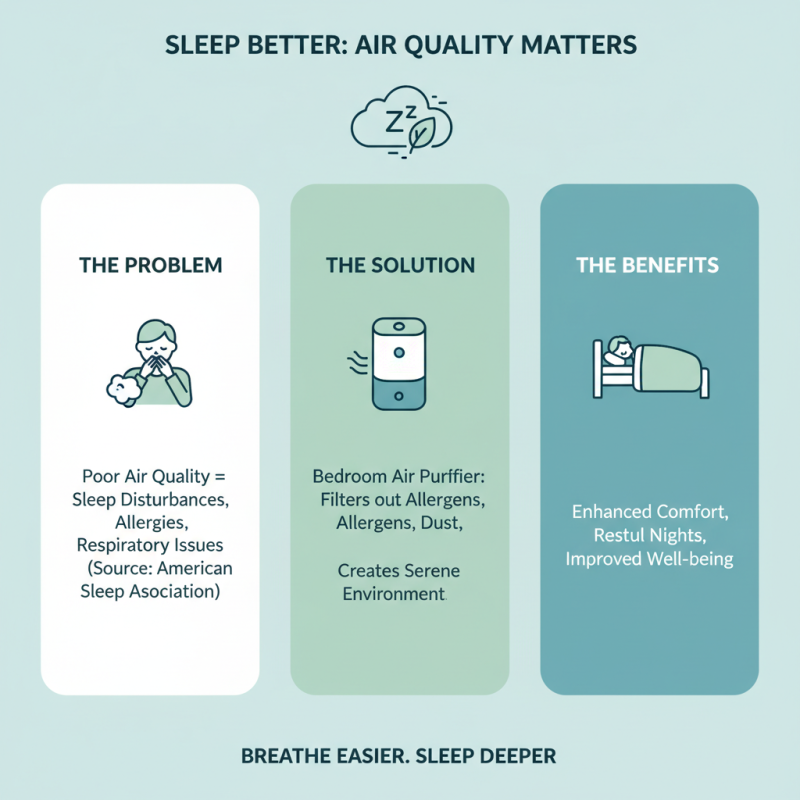
Creating a healthy sleep environment is crucial for restful nights. Bedroom air purifiers can significantly enhance air quality, leading to improved sleep comfort. According to the American Sleep Association, poor air quality can lead to sleep disturbances and respiratory issues. By filtering out allergens, dust, and pollutants, these devices create a more serene sleeping area.
Many people overlook the impact of indoor air on sleep. Simple changes can make a big difference. An air purifier removes particles that can irritate the throat and nose. This is especially important for those with allergies or asthma. A study published in the Journal of Environmental Health found that cleaner air can lead to less waking during the night.
Tips: Consider placing an air purifier near your bed for maximum effect. Run it consistently, especially before sleep. To enhance the benefits, keep windows closed during high pollen seasons. Remember, even clean indoor environments can have hidden irritants.
Some users might notice they still experience disrupted sleep despite using an air purifier. It’s essential to evaluate factors like light and noise levels. Additionally, personal comfort preferences, such as room temperature, play a role in sleep quality. Adjusting these elements may further optimize your restful experience.
Key Health Benefits of Cleaner Air While Sleeping
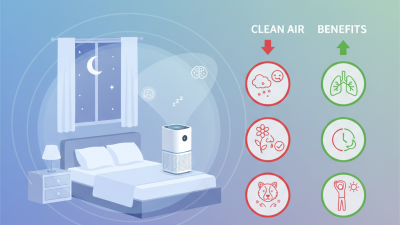
In recent years, more people are recognizing the importance of clean air for better sleep quality. An air purifier in your bedroom can significantly reduce allergens, dust, and pollutants. Cleaner air can lead to improved breathing, which helps you sink into deeper sleep. When you breathe better, your body can relax fully. A restful night means you wake up refreshed and ready to take on the day.
Tips: Position an air purifier away from walls. This allows unrestricted airflow. Regularly change filters. Stale filters can release particles back into the air.
Air purifiers can decrease asthma symptoms and reduce snoring. If your partner snores, better air quality might help alleviate it. The absence of irritants allows for a more peaceful night. Many experience fewer headaches and sinus pressure when they sleep with cleaner air.
Tips: Try to keep windows closed during pollen season. This reduces outdoor air pollution. Also, consider using purifiers with HEPA filters for maximum efficiency.
Investing in a bedroom air purifier is about more than just convenience. It reflects self-care and prioritizing your health. You might still wake up often, but every small step counts toward better sleep.
Factors to Consider When Choosing an Air Purifier for Sleep
When choosing an air purifier for sleep, consider the noise level. A purifier that operates quietly will not disrupt your rest. Look for models specifically designed for nighttime use. These are engineered to minimize sound, allowing for a peaceful environment.
Filter type is crucial too. HEPA filters are highly effective at removing allergens. However, some purifiers use activated carbon to absorb odors. Think about your specific needs. If you have allergies, a HEPA filter is essential. But if you want to freshen the air, choose one with activated carbon.
Another important factor is the size of the room. Make sure the purifier is capable of covering your bedroom's square footage. Some may work well in small spaces but not in larger areas. It's important to align the device’s capacity with your room size.
Tip: Regularly change filters to maintain performance. Stale air can creep back in if the filter is clogged. Pay attention to the indicator lights on your machine. They will alert you when it's time for a change.
Another tip: check for additional features. Some purifiers come with air quality sensors. These automatically adjust fan speed based on the air quality. They can help optimize your sleep environment.
Tips for Optimizing Air Purifier Use in the Bedroom
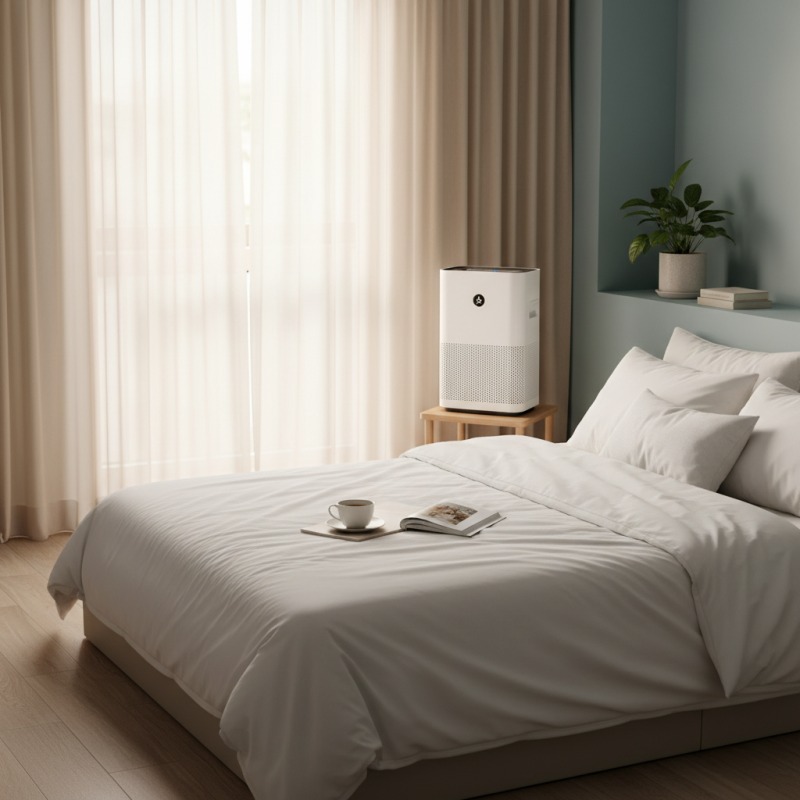
When using an air purifier in your bedroom, placement matters. Position it away from walls and furniture to allow for better airflow. Consider placing it near the bed to filter the air you breathe. A purifier that runs quietly might help maintain a peaceful sleep environment.
Regular maintenance is essential. Change filters according to the manufacturer's recommendations. A dirty filter can hinder performance and affect air quality. Monitor the air quality in your room. If you notice an increase in dust or allergens, it may be time to clean or replace the filter.
Creating a consistent routine can enhance your experience. Turn on the purifier at least an hour before bedtime. This allows it to clean the space effectively. Aim for a comfortable temperature in the room; a cool atmosphere can promote deeper sleep. Balancing these elements can lead to improved rest and overall well-being.