What Is the Best Amart Coffee Table in 2026?
Choosing the best Amart Coffee Table in 2026 is about more than matching a sofa. It means weighing dimensions, materials, storage, stability, and price against the way a room is actually used. Grand View Research’s Australia Home Furniture Market report examines demand and market trends across the sector. IBISWorld’s Furniture Retailing in Australia report provides further context on the changing retail landscape. These reports help frame the decision, but they cannot tell you whether a table will fit beside your particular couch.
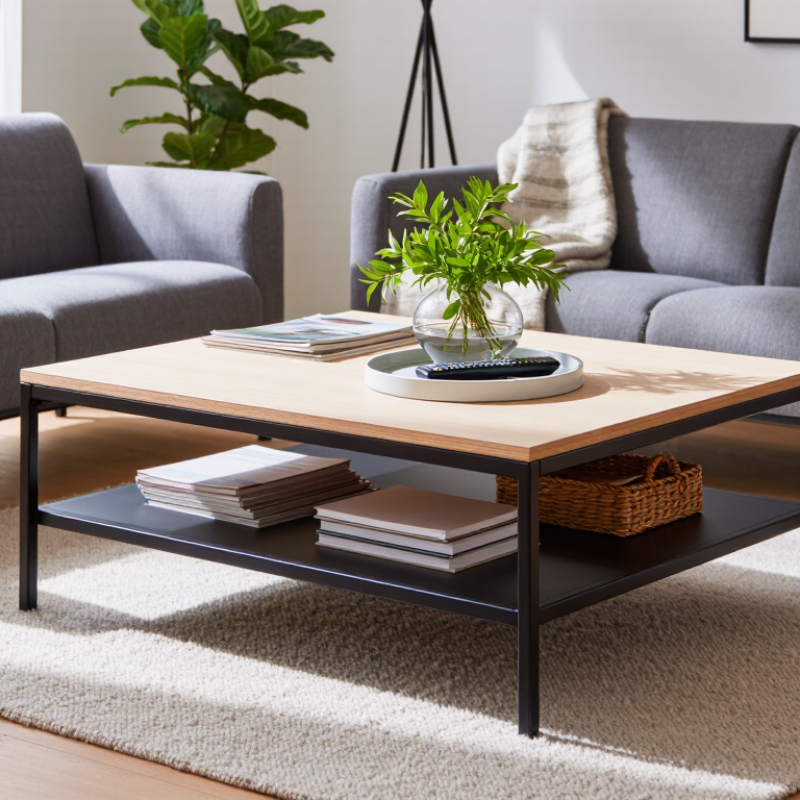
Small details matter. Measure the available floor space, including room to walk around the table. Check the listed product dimensions, tabletop material, care instructions, and any shelf or drawer measurements before ordering. A pale timber finish may brighten a compact living room, while a lower shelf can hold remotes and magazines without crowding the top. But photographs can make colours look different, and product availability or pricing may change. Verify current details with Amart before buying.
This guide compares Amart Coffee Table options by practical features, not appearance alone. It considers everyday durability, useful storage, room proportions, and value for different budgets. A polished surface may look elegant online, then reveal fingerprints by dinner. That is worth considering. The best choice depends on your household, your space, and the care you are willing to give it—not a single “perfect” model.
What Defines an Amart Coffee Table in 2026?
What defines a well-chosen coffee table in 2026 is fit, stability, and useful life—not a passing finish trend. Measure the sofa seat height and leave roughly 35 to 45 centimeters between the table and seating for comfortable reach. A compact room may benefit from a rounded edge and a lower shelf; a narrow room needs open space beneath the top. Check that the legs do not wobble on your actual floor. Small details matter. A heavy stone top can feel reassuring, but it may be difficult to move. That trade-off is easy to overlook.
Material choice matters beyond appearance. The U.S. Environmental Protection Agency’s 2018 Advancing Sustainable Materials Management report recorded 12.1 million tons of furniture and furnishings waste, with 10.3 million tons landfilled. This older national dataset does not predict the lifespan of any individual table, but it makes durability worth considering. Look for sturdy joints, replaceable glides, and a finish that tolerates daily wiping. Ask what the core material is; “wood look” alone says little about construction. I would not assume a higher price guarantees better repairability.
Tip: Put a mug and a book on the table before buying. Check reach, wobble, and clearance from the sofa. If storage is essential, test the drawer or shelf with items you actually use. A table that looks perfect in a staged room may still feel awkward at home.
What Defines a Great Coffee Table in 2026?
Comfort-first sizing benchmarks for a typical 72-inch sofa with an 18-inch seat. Ranges are practical planning guidelines, not universal standards.
A well-sized table is usually close to sofa-seat height, about one-half to two-thirds of the sofa’s length, and leaves roughly 14–18 inches of walking space.
Types and Materials Used in Amart Coffee Tables
Coffee tables differ as much by construction as by shape. Solid timber brings visible grain and can be refinished, but humidity may make it expand or contract. Veneered engineered wood offers a similar surface with less material, though chipped edges are harder to repair. Check the underside and corners: a clean finish can hide thin panels or weak joints. Small details matter.
Metal frames feel stable and suit narrow rooms, while glass tops keep a compact space visually open. Glass shows fingerprints quickly, though. Stone adds weight and a cool, tactile surface; it also needs careful handling and may stain if unsealed. Woven natural fibres create a softer look, but dust gathers between strands.
The U.S. Environmental Protection Agency’s 2018 materials report estimated that furniture and furnishings made up 12.1 million tons, or 4.1% of U.S. municipal solid waste.
That figure makes repairability worth considering, not just appearance. A removable top or replaceable feet can extend a table’s useful life. Still, material labels alone tell little; inspect joints, surface coatings, and the table’s stability on an uneven floor.
Key Factors for Comparing Amart Coffee Tables
A useful comparison starts with the space around the table, not its photograph. Measure the available floor area, then allow room for chairs, drawers, and walking paths. A wide top may look balanced online but feel cramped beside a compact sofa. Height matters too: compare it with the sofa seat, so drinks and books remain easy to reach. Small differences show up every day.
Look closely at materials, construction, and care requirements. A smooth sealed surface is easier to wipe after a spill, while textured finishes may show dust less clearly but need gentler cleaning. Check whether the legs feel stable and whether storage shelves leave enough clearance for your usual items. Practical details beat vague claims. Assembly instructions and listed dimensions are worth checking before purchase, especially when access through a doorway is tight. Photos can hide scale, and product descriptions may not answer every question. I would not treat any single feature as a perfect rule; a heavy table can feel sturdy but be awkward to move. Compare the finish with nearby furniture under your room’s lighting, too. A color that looks warm on a screen may appear cooler beside a window.
How to Match a Coffee Table to Your Room
A coffee table should fit the way your room works, not just its style. Measure the seating area before comparing shapes or finishes. Leave roughly 14 to 18 inches between the table and sofa, so people can pass and reach a drink comfortably. In a compact room, a glass or slim-legged table can feel less bulky. In a larger space, a wider surface helps balance a deep sofa. Round tables soften rooms with sharp corners, while rectangular ones often suit long sofas.
Tips: Mark the table’s footprint with painter’s tape. Walk around it. Check whether drawers, recliners, and cabinet doors can still open. These small tests can reveal awkward clearances before you buy.
Match the table’s height to the seat cushions; a surface near cushion height is usually easy to reach. Think about daily use, too. A household with children may prefer rounded edges and a durable surface, while a room used for quiet reading might benefit from a lower table and space for books. Natural wood can add warmth, but its grain and color may vary more than expected. That is not always a flaw. Still, a finish that clashes with nearby flooring can make the room feel unsettled. There is no perfect formula; check proportions in the actual room, where lighting and clutter change the impression.
Choosing the Best Amart Coffee Table for Your Needs
Choosing the right coffee table begins with your room, not a product photo. Measure the sofa’s width and leave about 14 to 18 inches between the table and nearby seats. That space matters. A table around two-thirds of the sofa’s length often looks balanced without blocking the walkway. Check its height, too: a surface close to the seat cushion is usually easier to reach. I’d measure twice, though rooms rarely behave as neatly as a floor plan suggests.
Think about how you use the space each day. A family room may need rounded corners, a sturdy surface, and room for cups, books, or a board game. A compact apartment might benefit from a nesting design or a table with a shelf for remotes. Wood can feel warm, while glass keeps a small room visually open; both need regular care. Test the finish against your lighting, since a shade that looks soft in a showroom may appear quite different beside a bright window. Consider assembly, cleaning, and whether the table can be moved easily before choosing. A beautiful table can still feel awkward. Set your budget, compare dimensions carefully, and choose the piece that fits your routines, not just your décor.
Choosing the Best Coffee Table for Your Needs in 2026
Compare common coffee-table styles by typical dimensions, materials, storage and room suitability. Dimensions are indicative; check the individual product measurements before buying.
| Table Style | Typical Size (W × D × H) | Common Materials | Storage | Best Suited To | Key Consideration |
| Rectangular | 100–120 × 50–60 × 40–45 cm | Solid wood, engineered wood, metal | Varies; often includes a lower shelf | Long sofas and larger living rooms | Measure the walking space around the table; allow room to move between it and the seating. |
| Round | 75–100 cm diameter × 35–45 cm high | Wood, glass, metal | Usually limited; some designs have a shelf | Compact layouts, smaller seating groups and homes with children | The curved edge can make circulation easier, but check that the surface is large enough for everyday use. |
| Lift-top | 90–110 × 50–60 × 40–50 cm | Engineered wood, solid wood, metal hardware | Typically includes concealed space beneath the lifting top | Multi-purpose living rooms and occasional laptop or dining use | Allow clearance for the top to lift, and check the raised height and mechanism. |
| Nesting tables | Largest table: about 50–70 cm wide; sizes vary by set | Wood, metal, glass | No enclosed storage; smaller tables tuck underneath | Flexible layouts and rooms where extra surface area is needed sometimes | Check the footprint of the full set and whether the smaller tables slide out easily. |
| Glass-top | 90–120 × 50–65 × 35–45 cm | Tempered glass with metal or wood supports | Usually open or minimal | Rooms where a visually lighter-looking table is preferred | Glass shows fingerprints and may need frequent cleaning; confirm the product specifies safety glass. |
| Compact or small-space | 60–85 × 40–55 × 35–45 cm | Wood, engineered wood, metal | May include a shelf or a small drawer | Apartments, narrow rooms and smaller sofas | Compare the tabletop dimensions with the items you plan to keep within reach. |