


Blog
7 Best Boiler Water Heaters for 2026
Choosing a boiler water heater in 2026 means looking beyond the product name and advertised efficiency. The right system should match your home’s heating setup, hot-water demand, available fuel, and installation space. A family filling a deep bathtub each evening may value recovery capacity differently from a small household with staggered showers. Fit comes first.
This guide compares seven options using practical details: rated output, efficiency information, fuel type, controls, warranty terms, and likely installation considerations. Product specifications can help narrow the list, but they do not tell the whole story. A unit that looks ideal on paper may need different venting, piping, or service access than your home can support. Details matter. Where manufacturer information or model availability may change, check current documentation and ask a qualified installer to confirm compatibility before buying.
There is no single winner for every property. Older homes, cold climates, and unusual plumbing layouts can change what “best” means, sometimes in inconvenient ways. This comparison is intended to make those trade-offs easier to see, not to replace a site-specific assessment. Pay attention to the actual model number, installation requirements, and local service support—not just a headline efficiency figure. A careful choice can improve everyday comfort, but even a well-reviewed boiler water heater can disappoint when it is poorly sized or installed. That is worth remembering.
What Boiler Water Heaters Are and How They Work
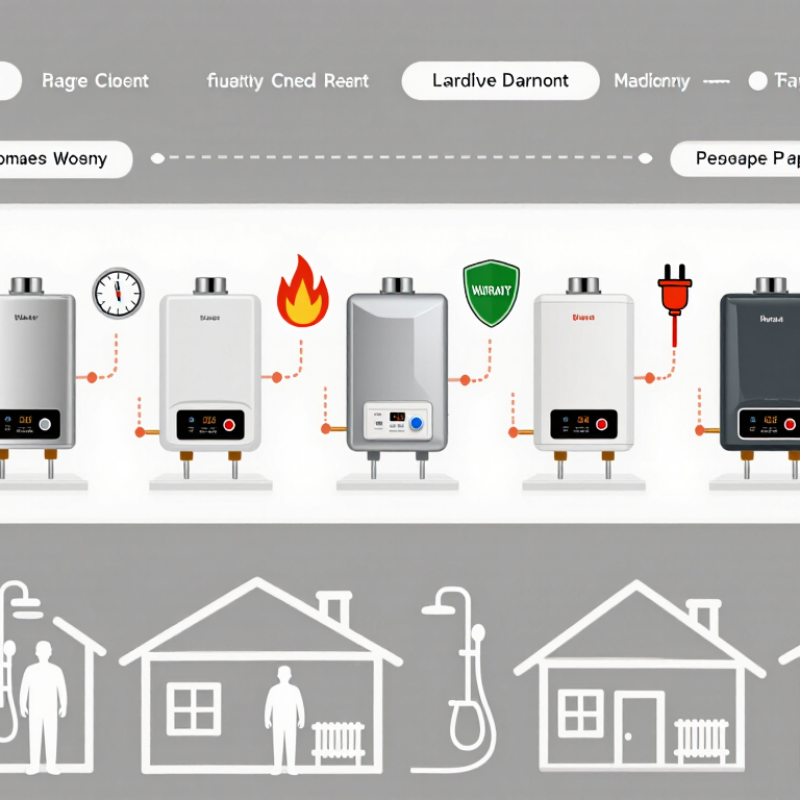
A boiler water heater warms water to provide space heating, domestic hot water, or both, depending on the system. In a hydronic heating setup, a burner or electric element heats water inside the boiler. A pump sends it through pipes to radiators, baseboards, or underfloor tubing. The water releases heat indoors, then returns to be heated again. It usually stays in a closed loop; it is not the same water that comes from a kitchen tap.
For household hot water, some systems use a separate indirect tank. Boiler-heated water passes through a coil in that tank, warming the stored tap water without mixing the two. Controls respond to thermostats and temperature sensors, switching heat or circulation on when needed. The term “boiler water heater” can be confusing, since equipment layouts vary. Check the system diagram or manual rather than assuming every boiler heats tap water directly. Small details matter.
Tips: Note the boiler’s fuel, age, pressure reading, and any unusual noise before seeking service. Keep vents and access areas clear. Have a qualified technician inspect leaks, combustion, and safety controls; do not adjust unfamiliar components yourself. A warm radiator is reassuring, but it does not prove the whole system is working efficiently.
7 Best Boiler Water Heaters for 2026 — What Boiler Water Heaters Are and How They Work
Typical Residential Boiler Efficiency Ranges
How boilers work: A boiler heats water and circulates it through radiators, baseboards, or radiant-floor pipes to warm a building. AFUE estimates how much of a boiler’s fuel becomes useful heat over a year; higher values indicate greater fuel efficiency. Actual performance depends on the equipment, installation, and operating conditions.
Typical AFUE ranges shown: older boilers, 56–70%; mid-efficiency boilers, 80–83%; high-efficiency boilers, 90–98%. Source: U.S. Department of Energy, Energy Saver.
Key Criteria for Comparing Boiler Water Heaters in 2026
When comparing boiler water heaters in 2026, start with household demand, not the biggest capacity listed. Check the first-hour rating, recovery rate, and number of bathrooms used at once. A family that showers back-to-back needs different performance from a home with occasional hot-water use. Small details matter. Compare efficiency ratings, but also check what fuel and venting each unit requires. A high rating is less useful if the heater does not fit the existing system.
Installation compatibility can change the real cost. Ask a qualified heating professional to check available space, pipe connections, ventilation, and electrical needs before you choose. Review the warranty terms and recommended maintenance, including access to filters or service panels. Pay attention to noise and control settings if the unit sits near bedrooms. A specification sheet can look reassuring, yet household demand is difficult to predict perfectly. Leave a little room for uncertainty.
Tips: Write down peak-use times and count showers, sinks, and appliances used together. Compare the estimated annual energy use, not just the purchase price. Request an itemized installation quote. Check the numbers.
Seven Leading Boiler Water Heaters and Their Standout Features
A good boiler water heater should match the home’s demand, fuel supply, and available space. Seven standout features can help narrow the choices. Condensing designs recover more heat from exhaust, but they need suitable drainage and regular maintenance. Modulating burners adjust output as demand changes, which can reduce temperature swings. Stainless-steel heat exchangers resist corrosion, though water quality and upkeep still matter.
Indirect storage tanks use the boiler to heat stored domestic water. They can provide steady hot-water delivery, but take up room. Combi units combine space heating and hot water in one appliance. They save floor space; simultaneous showers and heating may test their capacity. Outdoor-reset controls adjust boiler temperature to outdoor conditions. Comfort can improve, but settings need careful adjustment. Built-in diagnostics and safety lockouts can flag faults early. They do not replace inspection by a qualified technician.
Small details matter. Check the household’s peak hot-water use, venting options, and local installation requirements before comparing efficiency ratings. A quiet unit is pleasant, but not proof of good performance. No option is perfect. Even a well-matched system can disappoint if installed poorly, and I would not choose by headline efficiency alone.
Installation Needs, Energy Use, and Long-Term Costs
Installation needs can narrow the options before purchase. A combi unit heats water on demand, while a boiler paired with an indirect tank stores hot water for later use. Either setup needs correct sizing. An installer should check household demand, existing pipes, electrical supply, and venting access. Condensing models may also need a drain for condensate. Small details matter.
Ask for a written estimate covering equipment, labor, vent changes, and any required controls. A low purchase price can hide costly installation work. Energy use depends on the unit’s efficiency, fuel, settings, and hot-water habits. A household that runs several showers at once may need different capacity than a couple in a small home. Check the efficiency rating, but treat it as a comparison tool, not a promise of a specific bill. Actual use varies.
Long-term costs include maintenance, repairs, and replacement parts, not just fuel. Ask what routine service involves and whether local technicians can work on the system. Compare estimated annual energy costs using your utility rates. Then consider expected service life, with caution: no estimate is a guarantee. I would also leave room in the budget for an inconvenient repair; that part is easy to overlook.
How to Choose, Maintain, and Operate a Boiler Water Heater Safely
7 Best Boiler Water Heaters for 2026
Choosing a boiler water heater starts with your household’s actual demand. Count bathrooms, note when showers overlap, and consider whether the unit serves space heating too. An oversized system may waste energy; an undersized one can leave taps lukewarm. Check efficiency ratings, available fuel, venting needs, and the space around the unit. A qualified installer can confirm sizing and compatibility. Small details matter.
Tips: Keep the manufacturer’s manual nearby. Once a month, look for drips, corrosion, unusual noises, or changes in water temperature. Keep air vents and access panels clear. Never remove a sealed cover or adjust gas, electrical, or pressure controls yourself. If you smell gas or a carbon monoxide alarm sounds, leave the area and contact emergency services from a safe location.
Good maintenance is mostly routine, but it is easy to put off. Ask a qualified technician to inspect the system on the schedule recommended for your model, including its venting, safety controls, and pressure-relief components. Do not block a discharge pipe or treat recurring leaks as harmless. Use the temperature settings specified in the manual; hotter is not automatically better. A checklist helps, though it can miss a slow leak behind the unit. Notice the floor, too.
7 Best Boiler Water Heaters for 2026 — How to Choose, Maintain, and Operate a Boiler Water Heater Safely
| Boiler Water-Heating System | Best Suited For | How Domestic Hot Water Is Supplied | Key Advantages | Important Considerations | Maintenance and Safety Priorities |
|---|---|---|---|---|---|
| Condensing gas boiler with an indirect cylinder | Homes with a natural-gas connection and moderate to high hot-water demand | The boiler heats water in a separate storage cylinder through a heat-exchanger coil. | Stored hot water can serve multiple outlets; condensing operation can improve fuel use when the system is designed for low return-water temperatures. | Requires space for a cylinder. Actual efficiency depends on sizing, controls, flow and return temperatures, and installation quality. | Have a qualified professional inspect the burner, flue, condensate drain, safety controls, and cylinder temperature controls. Install and maintain carbon-monoxide alarms as required locally. |
| Conventional gas boiler with an indirect cylinder | Homes with an existing boiler-and-cylinder arrangement or compatible conventional heating system | A separate cylinder stores water heated by the boiler; some systems also include a cold-water storage tank. | Can provide stored hot water for several simultaneous uses and may suit existing pipework. | Uses more storage space than a combination boiler. Older non-condensing boilers generally use fuel less efficiently than modern condensing models. | Check the flue, ventilation, pressure controls, cylinder thermostat, and any expansion vessel. Do not block combustion-air openings or flues. |
| Oil-fired boiler with an indirect cylinder | Properties without a gas connection that have suitable space for an oil tank | The boiler transfers heat to stored domestic water through a cylinder coil. | Provides stored hot water and can be used where a gas network is unavailable. | Requires an approved fuel tank, regular fuel deliveries, and careful attention to local emissions and installation rules. | Arrange professional burner and flue servicing. Inspect the tank and fuel lines for damage or leaks; keep ignition sources away from stored fuel. |
| Electric boiler with an indirect cylinder | Small or well-insulated properties, or locations where direct electric heating is preferred | An electric boiler heats a separate cylinder through its heating circuit. | No on-site combustion or boiler flue is needed, and the system can be straightforward to install where the electrical supply is adequate. | Running costs depend on local electricity prices and heat demand. The electrical service must be correctly sized by a qualified installer. | Have electrical connections and protective devices checked by a qualified electrician. Never remove electrical covers or service live equipment yourself. |
| Biomass boiler with an indirect cylinder | Rural properties with suitable fuel-storage space and reliable access to approved biomass fuel | The biomass boiler heats a water circuit connected to a domestic hot-water cylinder. | Can use renewable solid fuel when the fuel is responsibly sourced and the system is properly operated. | Needs space for the appliance, fuel storage, and ash handling. Performance and emissions depend on the boiler, fuel quality, and operating conditions. | Follow the appliance instructions for ash removal and cleaning. Have the flue and combustion system inspected and use only the specified fuel. |
| Gas combination boiler (combi) | Smaller homes with limited storage space and a modest number of simultaneous hot-water uses | Heats domestic water on demand rather than storing it in a separate hot-water cylinder. | Does not require a separate hot-water storage cylinder and can reduce storage-related heat loss. | Hot-water flow is limited by the unit’s output and incoming water conditions; simultaneous demands may reduce flow at each outlet. | Use a qualified gas professional for servicing. Keep the flue terminal unobstructed and ensure carbon-monoxide alarms are installed and maintained. |
| System boiler with a pressurized hot-water cylinder | Homes needing stored hot water but without space for a separate cold-water storage tank | The boiler heats a sealed, pressurized cylinder, commonly through an internal coil. | Can supply several outlets at once when correctly sized and installed; many system components are built into the boiler. | Requires adequate mains-water pressure and a cylinder rated for the system. Installation and maintenance must follow applicable pressure-system rules. | Do not adjust or block pressure-relief discharge pipes. A qualified professional should check the expansion vessel, safety valves, cylinder controls, and discharge arrangements. |
Selection note: These are system types, not ranked product models. The right choice depends on local fuel availability, hot-water demand, incoming water conditions, space, energy prices, and local codes. Have a qualified heating professional size and install the system.


