How to Choose the Best Clad Wood Windows for Your Home?
Choosing the right windows for your home involves careful consideration. Clad Wood Windows offer a unique blend of aesthetics and durability. According to the National Association of Home Builders, clad windows can boost property values by nearly 10%. They are also an energy-efficient choice, reducing heating and cooling costs by up to 15%.
However, not all clad wood windows are made equal. It's important to assess the quality of materials and construction. Look for high-performance options that include advanced weatherproofing features. Many homeowners struggle with the decision due to varying price points. Remember that investing in quality can lead to long-term savings and less frequent replacements.
With numerous designs and finishes available, making a choice can feel overwhelming. Consider your home’s architectural style and local climate. Consulting with industry professionals can provide insights tailored to your specific needs. Evaluating different brands will help you identify the true value of clad wood windows for your residence.
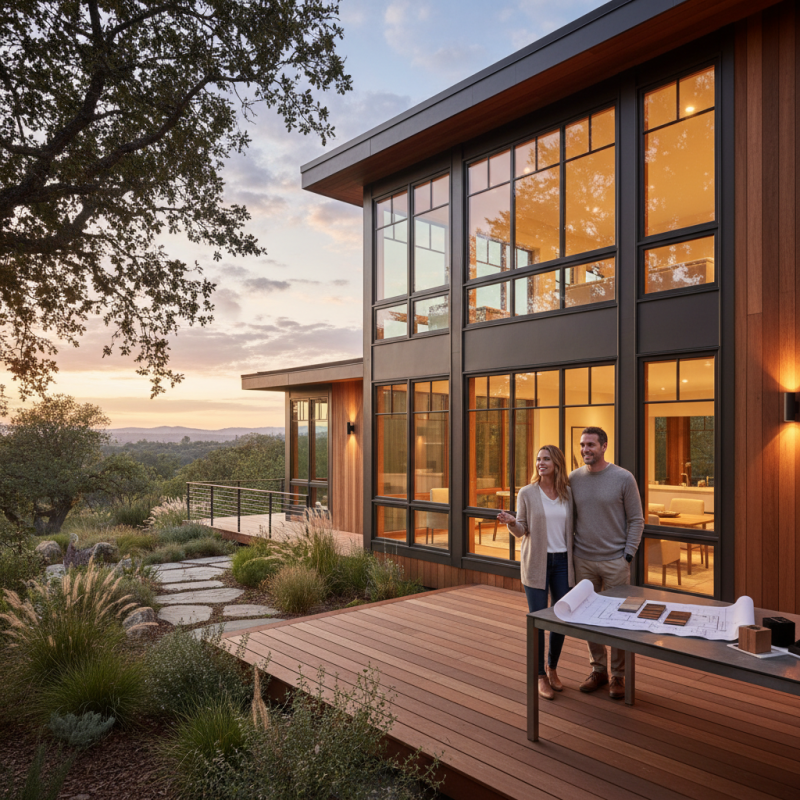
Understanding Clad Wood Windows: What They Are and Their Benefits
Clad wood windows are a popular choice for homeowners seeking durability and beauty. These windows feature a wooden core, protected by a strong exterior layer, typically made of aluminum or vinyl. This design combines the warmth of wood with the resilience of modern materials. Homeowners appreciate the reduced maintenance needs.
The benefits are clear. Clad wood windows resist weathering and pests. They offer excellent energy efficiency, keeping homes warm in winter and cool in summer. Many people find they can enhance the aesthetic appeal of their homes. Yet, choosing the right style and finish can be challenging.
Some may overlook potential downsides. For instance, initial installation costs can be higher than standard windows. The color options for the exterior may not suit every taste. Understanding these factors can help in making an informed decision. Clad wood windows are indeed a worthy investment for many homeowners. But it's essential to weigh all aspects thoughtfully.
Key Factors to Consider When Choosing Clad Wood Windows
When selecting clad wood windows, several key factors play a crucial role. Durability is a primary consideration. Clad wood windows typically have an exterior made of fiberglass or aluminum, providing protection against the elements.
According to the The American Architectural Manufacturers Association, properly maintained wood windows can last up to 30 years, enhancing your home's lifespan.
Another important factor is energy efficiency. Windows account for about 25-30% of residential energy use, according to the U.S. Department of Energy. Quality clad wood windows can significantly reduce energy loss. Look for products with a high Energy Star rating, indicating they meet specific energy efficiency guidelines. Proper installation also influences performance. Even the best windows will underperform if not installed correctly.
Aesthetic appeal should also be considered. Clad wood windows come in various styles and finishes. This allows homeowners to match their windows with their home's design. However, it's essential to balance style with functionality. Some designs might require more upkeep. Engaging with local contractors can lead to insights and recommendations tailored to your specific environment.
Understanding these factors can lead to informed decisions that enhance both your home's value and comfort.
Comparing Different Types of Cladding Materials for Windows
When selecting clad wood windows, consider the cladding materials. Each type has unique attributes that influence durability and maintenance. Vinyl-clad windows offer a high level of weather resistance. They require minimal upkeep and resist fading. However, they can lack the aesthetic appeal of natural wood.
Aluminum cladding is another option. It provides a sleek, modern look and excellent durability. This material is resistant to rust and can handle harsh climates. The downside? Aluminum can conduct heat, leading to potential energy loss. It's essential to ensure proper insulation when choosing this option.
Wood cladding is classic and elegant. It brings warmth and beauty to your home. However, it requires more maintenance. Regular painting or staining may be needed to keep it looking great. Consider your location and climate when making this choice.
Tips:
- Choose materials based on your regional weather patterns.
- Factor in maintenance commitment when selecting cladding types.
- Don't rush; reflect on how the windows will fit your home's style.
Evaluating Energy Efficiency and Performance Ratings
When selecting clad wood windows for your home, energy efficiency is crucial. Look for windows with high-performance ratings. These ratings determine how well the windows insulate your home and reduce energy costs. Pay attention to U-factor and Solar Heat Gain Coefficient (SHGC). A lower U-factor indicates better insulation. Conversely, a lower SHGC means less heat gained from sunlight. Both contribute to a comfortable living space.
Understanding the performance ratings can be complex. Many consumers overlook these details, leading to inefficient heating or cooling. Choose windows that meet or exceed Energy Star standards. They often combine wood's natural beauty with superior insulation. Make sure the windows are properly sealed and installed. Gaps can drastically affect performance ratings. It’s also wise to consider local climate. What works in a cold region might not be suitable for warm areas. Reflect on these factors to make your choice more informed.
Budgeting for Clad Wood Windows: Cost Considerations and Options
Budgeting for clad wood windows requires careful planning. Start by researching the range of prices available in the market. Costs can vary significantly based on materials, finishes, and design features. On average, clad wood windows tend to be more expensive than traditional wooden windows due to their durability. However, the investment often pays off in the long run due to energy efficiency and maintenance savings.
Consider the long-term benefits when budgeting. While the initial price tag might seem daunting, energy-efficient windows can reduce your utility bills. Look for options that offer good insulation values. It is also essential to factor in installation costs. Poor installation can lead to leaks or drafts, which affect your window's performance.
Another key aspect is to evaluate local climate and aesthetics. Depending on your location, you may need to invest in specific features like impact resistance. Reflect on how these windows complement your home’s style. Although they can be pricey, clad wood windows may enhance overall property value. Prioritize your needs versus desires, and consider financing options if your budget is tight.