





Blog

7 Best GPS Tracker Devices for Global Buyers

Buying a Gps Tracker Device for use across borders takes more than checking a coverage map. A tracker may rely on cellular networks, satellite links, or both, and coverage can change between cities, highways, and remote areas. A signal icon is not a guarantee.

GPS pioneer Dr. Bradford Parkinson has described GPS as “a global utility that has become indispensable to the world.” That wider role helps explain why tracking devices now support travel, fleet visibility, and personal asset monitoring. Still, GPS finds a position; the device’s network connection sends it to an app. The distinction matters.

This guide compares seven GPS tracker devices for global buyers, focusing on practical details: supported networks, roaming or subscription costs, battery life, size, and weather resistance. A tracker that lasts months in a brochure may need more frequent charging when it reports often. Small detail. Big difference. We also consider setup, app clarity, and privacy controls, since accurate location data deserves careful handling. No single device suits every trip or asset. Some buyers need frequent updates; others value a long standby time and a simple alert. Specs can be incomplete, too, so check current network support and regional service terms before purchasing. These picks offer a starting point, not a promise of universal coverage.
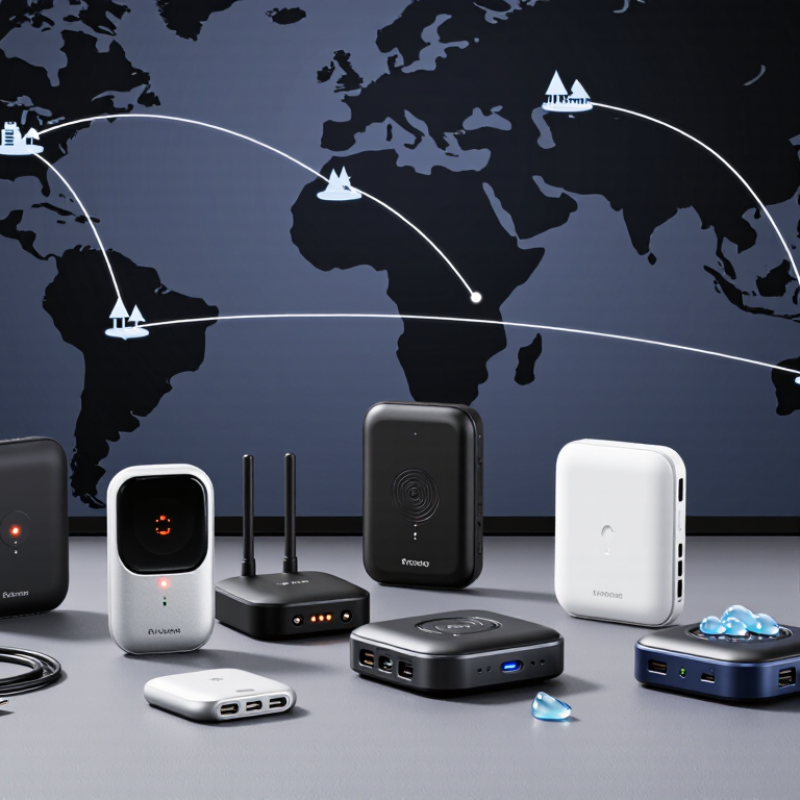
7 Best GPS Tracker Devices for Global Buyers

How GPS Tracker Devices Determine and Report Location

A GPS tracker estimates its position by listening for timed signals from navigation satellites. Each signal carries the time it left the satellite and orbital data. The device compares signal arrival times to estimate its distance from several satellites. It then calculates a position, usually using signals from at least four satellites. The process is passive: satellites do not receive the tracker’s location.

Reporting that position is a separate step. The tracker may send coordinates through a cellular network, Wi-Fi, or satellite communication, depending on its design. A phone app then displays the reported location, often with a timestamp. This distinction matters. A tracker can calculate a position but fail to send it when coverage is weak. Buildings, dense tree cover, and narrow streets can also reduce accuracy. A map pin is an estimate, not a perfect dot. It is easy to overlook that delay between locating and reporting.

Tips: Check how often the device updates, and whether its communication method works where you plan to use it. For a fair test, compare several readings outdoors in an open area. Then check again indoors. Expect differences. A single reading may not tell the whole story.

What Global Buyers Should Check Before Choosing a Tracker

Global buyers should check network reach before comparing maps or app features. GPS.gov states that GPS-enabled devices typically locate within a 4.9-meter radius under open sky; buildings, vehicles, and dense streets can reduce accuracy. A GPS fix alone does not send a location to your phone. The tracker also needs a compatible mobile network or another communication method. Ask for supported network bands and country-by-country roaming details. Check this against the places the device will actually travel.

Coverage is not universal. ITU’s Facts and Figures 2024 estimated that 5.5 billion people, or 68% of the world’s population, were online. That figure does not measure cellular coverage, but it is a useful reminder that connectivity varies. Check battery life at a stated reporting interval, not only a best-case estimate. A longer battery claim can still disappoint. Also compare charging time, water and dust protection, and whether location history remains available when the signal drops. Review what location data is stored and who can access it. Small details matter. A tracker that fits neatly in a bag may still be unreliable where network service is weak.

Seven GPS Tracker Devices Compared by Coverage and Features

A useful comparison of seven GPS tracker devices starts with how each sends a location, not just how it finds one. A compact cellular tracker suits cars and luggage where mobile networks are reliable. Its coverage may shrink across borders if roaming is limited. A battery-powered personal tracker offers easier carrying, but frequent updates can drain it quickly. A hardwired vehicle unit provides steady power and can report movement promptly. Installation is less convenient, though.

For remote routes, a satellite tracker can send messages beyond cellular reach, but usually costs more and may need a clear view of the sky. A Bluetooth-assisted tracker is lightweight and affordable, yet depends on nearby compatible phones. A rugged outdoor unit adds water resistance and a sturdier case. A long-life asset tracker trades frequent location updates for fewer charging stops. That distinction matters. Compare supported network bands, roaming terms, battery life, update intervals, and app functions before buying. Geofences can help flag a vehicle leaving a chosen area, while clear location history makes trip checks easier. No device is perfect. Even strong coverage can fail indoors, under dense roofs, or in deep valleys, so test the intended route when possible.

7 GPS Tracker Connectivity Types Compared

A feature comparison of common connectivity options for global buyers

Bars indicate whether a connectivity type uses terrestrial mobile networks or satellite communication (1 = yes; 0 = no). Actual coverage depends on local network availability, service plans, and— for satellite links—a clear view of the sky. GNSS-only devices can determine position but do not transmit it by themselves.

Which Tracker Types Suit Vehicles, Assets, People, and Pets

Vehicle trackers suit cars, vans, and equipment that move between job sites. A wired unit can draw power from the vehicle, while a plug-in model is easier to install. Check whether its cellular bands and roaming service match the countries on your route. Coverage can vary widely. A map alone is not proof of reliable service.

For tools, trailers, or freight, choose a rugged asset tracker with a long-lasting battery and motion alerts. Satellite connectivity may help in remote areas, but service costs and availability need checking. People may benefit from a wearable device with a clear SOS button and location sharing. Use it transparently, with the wearer’s agreement. For pets, prioritize a light, secure collar attachment, a comfortable fit, and practical battery life. Fit matters. A bulky tracker can bother a small dog.

Tips: Test the tracker where it will actually be used, including indoors or near buildings. Review battery estimates, data fees, and privacy settings before buying. I would not assume one device can serve every purpose; convenience sometimes hides a poor fit.

7 Best GPS Tracker Devices for Global Buyers — Which Tracker Types Suit Vehicles, Assets, People, and Pets

A practical comparison of common tracker types. Performance, features, and operating costs vary by device, local network availability, configuration, and environment.

Tracker Type Best Suited For How Location Is Reported Power and Typical Runtime Key Advantages Important Limitations
Hardwired vehicle tracker Cars, vans, trucks, and fleet vehicles GNSS positioning with mobile-network data; some units also use vehicle sensor inputs Powered by the vehicle electrical system; a backup battery may keep it running briefly if power is disconnected Can report frequent updates without routine charging; useful for fleet monitoring and vehicle recovery Requires compatible electrical installation. Mobile reporting depends on local carrier coverage and supported network bands.
OBD-II plug-in tracker Personal vehicles and small fleets with a compatible diagnostic port GNSS positioning and mobile-network data; some models can read basic vehicle diagnostic information Powered through the vehicle’s OBD-II port; typically needs no separate battery charging Usually quick to install and easy to move between compatible vehicles Port location and compatibility vary. The device may be visible, and continuous use can draw power when the vehicle is parked.
Rechargeable magnetic asset tracker Trailers, machinery, containers, and other movable equipment GNSS positioning with cellular reporting; location updates may be less frequent in battery-saving mode Rechargeable battery; runtime can range from days to several months depending on battery size, signal conditions, and update frequency Portable and suitable for temporary installation; magnetic mounting can simplify placement on suitable metal surfaces Needs periodic charging. Magnets do not attach securely to every surface, and indoor or obstructed locations can reduce positioning performance.
Solar-assisted asset tracker Long-term outdoor monitoring of trailers, containers, and remote equipment GNSS positioning with cellular data; some configurations can reduce reporting frequency to conserve energy Rechargeable battery supported by a solar panel; operating time depends on sunlight, mounting angle, and reporting schedule Can reduce manual charging where the panel receives adequate sunlight Solar charging is limited by shade, weather, dirt, and placement. It is generally less suitable for indoor or concealed installations.
Personal GPS safety tracker People who need location sharing or an emergency alert function GNSS positioning with cellular data; some models use Wi-Fi or nearby device signals to assist when satellite reception is weak Rechargeable battery; commonly requires charging every day or every few days, depending on use and reporting interval Portable, with potential features such as an SOS button, check-ins, or geofencing Requires regular charging and a suitable service plan for live reporting. Indoor location may be less precise than outdoor GNSS positioning.
Pet GPS collar tracker Dogs and, with suitable size and fit, some cats GNSS positioning with cellular reporting; some devices use short-range radio or Bluetooth for nearby functions Rechargeable battery; runtime commonly ranges from a day to several days, depending on tracking frequency and network conditions Can support location history, virtual boundaries, and recovery efforts when a pet wanders Requires a properly fitted collar and regular charging. Cellular coverage, device weight, and water resistance should be checked for the intended animal and region.
Satellite GPS tracker People, vehicles, or equipment in remote areas with little or no cellular service GNSS positioning with location messages sent through a satellite network Battery-powered; runtime varies widely with device, temperature, satellite visibility, and message frequency Can send location messages beyond ordinary mobile-network coverage where the satellite service is available Usually has higher equipment or service costs than cellular-only options. Satellite visibility can be obstructed indoors, underground, or by dense terrain.

Global buying note: “Global” does not guarantee operation everywhere. Before purchase, verify supported cellular bands and roaming or service availability in each country, or confirm the satellite provider’s coverage. GNSS accuracy is generally best with a clear view of the sky and can worsen around buildings, indoors, or under heavy cover. Battery-life figures are highly dependent on settings and usage.

How to Evaluate International Connectivity, Costs, and Privacy

Choosing a GPS tracker for international use starts with its network support. Check whether it works with the cellular bands and network types used in your destination countries. A device that connects at home may lose service abroad. Coverage maps help, but they are estimates, not promises. For long trips, confirm whether the tracker supports roaming or a replaceable SIM, and ask how often it reports its location when signal is weak.

Costs can extend beyond the purchase price. Compare monthly plans, roaming charges, activation fees, and limits on location updates. Frequent updates may improve tracking but drain the battery faster. Privacy deserves equal attention. Review what location data the service stores, who can access it, and how to delete an account or data history. Policies can be hard to interpret, and that matters. No checklist removes every uncertainty.

Tips: Test the tracker before travel, ideally outdoors and indoors. Check its last reported location, battery level, and update interval. Keep sensitive location sharing limited to people who need it, and revisit access settings after your trip.