





Blog
7 Best Konjac Keto Diet Products for Global Buyers?
Konjac is gaining attention among buyers seeking low-carbohydrate noodles, rice substitutes, and pantry staples. The global ketogenic diet market was valued at approximately US$12.45 billion in 2023, according to Grand View Research’s Ketogenic Diet Market report. The firm projected a 5.5% compound annual growth rate from 2024 to 2030. This broad market estimate does not measure konjac products alone. Still, it signals growing commercial interest in keto-positioned foods.
For global buyers, the label deserves a closer look. Konjac foods commonly use glucomannan, a soluble fibre derived from the konjac plant. EFSA’s 2010 scientific opinion assessed a specific glucomannan health claim under defined intake and diet conditions; it does not validate every product or marketing promise. Check the ingredient list, net carbohydrate calculation, serving size, texture, packaging, and supplier documentation. A pouch that looks convenient may contain added starch or sauces that change its nutrition profile. Small details matter.
This guide compares seven Konjac Keto Diet products through practical buyer criteria, including format, preparation, and sourcing transparency. It is not a medical recommendation or a guarantee of product quality. One gap remains: public market reports rarely separate konjac keto foods from the wider ketogenic category. Buyers should verify current specifications directly with manufacturers.
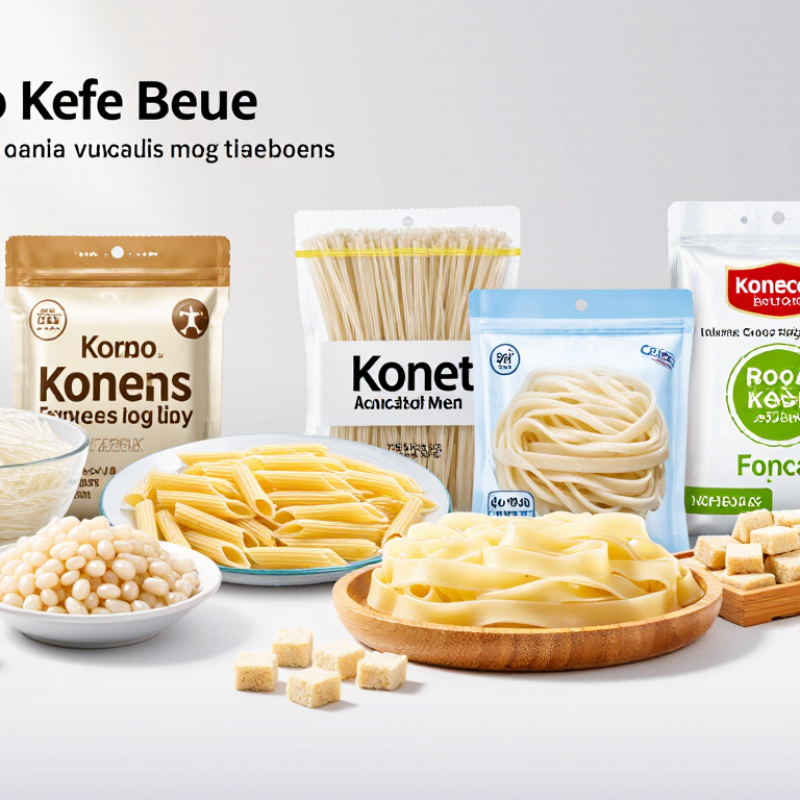
What Konjac Is and How It Fits into a Keto Diet
Konjac is a plant whose corm is processed into glucomannan, a water-absorbing soluble fiber. In foods, it appears as translucent noodles, rice-shaped pieces, or a gel-like thickener. The noodles can feel springy and slick; they are not quite pasta. That texture takes getting used to.
For keto eaters, plain konjac products can be useful because glucomannan contributes fiber with little digestible carbohydrate. But recipes and nutrition labels differ. A sauce, seasoning packet, or added starch may change the carbohydrate count. Check the label. The EFSA Panel’s 2010 scientific opinion on konjac mannan notes that a specific weight-loss claim was tied to 3 grams daily, taken in divided doses with water and alongside an energy-restricted diet. That finding is not evidence that konjac itself induces ketosis.
Use the nutrition panel, not the product name, to estimate net carbohydrates; labeling rules and serving sizes can vary by market. Also drink enough water, since glucomannan absorbs liquid and can swell. Not magic. I’d start with a small portion and a simple broth, then see whether the chewy texture and fiber sit comfortably.
| Konjac Product Type | What It Is | How It Can Fit a Keto Diet | Common Uses | What Buyers Should Check |
|---|---|---|---|---|
| Shirataki noodles | Soft, ready-to-use noodles commonly made with water, konjac flour, and a setting agent such as calcium hydroxide. | Plain versions are generally low in digestible carbohydrate and energy; check the nutrition label because recipes differ. | Stir-fries, soups, and noodle bowls. | Ingredient list, drained serving size, nutrition panel, packaging liquid, and preparation instructions. |
| Konjac rice | Small rice-shaped pieces made primarily from konjac ingredients; some products are blended with other ingredients. | Can serve as a lower-carbohydrate alternative to rice when the product is mostly konjac and unsweetened. | Curries, rice bowls, and side dishes. | Whether rice or other starches have been added, along with the carbohydrate amount per serving. |
| Konjac fettuccine | A wider, flat noodle format, usually sold hydrated and ready to prepare. | Plain konjac-based fettuccine may suit a keto meal plan; sauces and added ingredients can contribute substantial carbohydrates. | Cream-style dishes, vegetable stir-fries, and noodle casseroles. | Check both the noodle label and the nutritional information for any included sauce or seasoning sachet. |
| Konjac angel-hair noodles | Very thin konjac noodles, often sold in water-filled pouches. | The plain noodle itself is often a low-carbohydrate option, but total meal carbohydrates depend on toppings and sauces. | Light soups, quick stir-fries, and cold noodle dishes. | Texture, drained weight, pouch integrity, storage requirements, and preparation directions. |
| Konjac spaghetti-style noodles | Long, round strands made in a familiar pasta shape; formulations vary by producer. | May replace conventional wheat pasta in a keto meal, provided the ingredients and nutrition label meet the buyer’s requirements. | Tomato-based dishes, pesto-style meals, and vegetable pasta bowls. | Look for wheat, rice, tapioca, or other starches in blended products; verify allergen declarations. |
| Konjac pasta blends | Pasta products combining konjac with other ingredients, which may include plant fibers, proteins, or starches. | Keto suitability is product-specific. Added starches or flours can raise digestible carbohydrates compared with plain konjac products. | Pasta-style meals where a firmer or more conventional texture is preferred. | Full ingredient list, total carbohydrates, dietary fiber, serving size, and cooking instructions. |
| Konjac glucomannan powder | A powdered form of glucomannan, a soluble fiber obtained from the konjac plant; it is used as an ingredient rather than as a noodle. | It can be used to thicken or bind some recipes, but its carbohydrate and fiber figures should be assessed from the product label. | Recipe formulation, thickening, and selected baking applications. | Purity, ingredient specifications, food-grade documentation, and clear directions for mixing and use. |
How to Assess Konjac Products for Keto Compatibility
For global buyers, the word “konjac” alone does not confirm a product fits a keto plan. Check the full ingredient list. Plain konjac noodles may be mostly water and glucomannan fiber, but blended products can contain starch, sugar, or flour. Sauces and seasoning sachets deserve a separate look. Small amounts add up.
Read the nutrition panel per serving, then check how many servings the package contains. Is the figure for the drained product or the product as sold? That detail can change the comparison. I would not treat a low net-carbohydrate number as a guarantee: label rules and carbohydrate calculations differ between markets. Compare total carbohydrates and fiber, and confirm how the seller defines each value. If information is unclear, ask for a current specification sheet.
Preparation matters, too. Rinse and heat noodles as directed, then assess the meal with its toppings and sauce included. A bowl with plain konjac noodles may differ greatly from one covered in sweetened sauce. Texture can be unusual; that is worth considering before buying a large case. Serving sizes are easy to misread, even on otherwise clear labels. Check product instructions and your own daily carbohydrate target before deciding whether it fits.
7 Best Konjac Keto Diet Products for Global Buyers: Assessing Keto Compatibility
Example label calculation per serving (100 g)
This illustrative example shows how to assess a konjac product: net carbohydrates are calculated as total carbohydrates minus dietary fiber when fiber is included in the total. The values are not claims about a specific product. For global comparisons, check the serving size and local nutrition-label rules, and compare products on the same basis.
Seven Konjac Keto Product Types for Global Buyers
Konjac noodles and shirataki rice are familiar options, offering a springy or rice-like base for quick meals. Konjac pasta comes in shapes such as penne and fettuccine, though its texture may differ from wheat pasta. Konjac blocks, often sold as tofu-style pieces, can be cubed and added to soups or stir-fries. Other product types include konjac jelly snacks, dried konjac snacks, and konjac flour or fiber powder for recipe development. That makes seven distinct formats.
Texture matters. Not every buyer agrees on what feels pleasant.
For global buyers, check ingredient lists, serving-size nutrition, storage instructions, and packaging before comparing products. Konjac items may be packed in liquid, dried, or ready to eat, so shipping weight and storage needs can vary. Ask suppliers for samples and clear product specifications; a product description alone cannot confirm taste or cooking performance. Verify that nutrition and labeling information suits the destination market. Requirements vary by country, and labels should be reviewed by qualified local professionals.
Tips: Rinse liquid-packed noodles well, then drain them thoroughly. A dry-pan cook can reduce excess moisture before adding sauce. Start with a small test batch, especially when evaluating an unfamiliar format. One honest limitation: some konjac products feel slippery or firm, and extra seasoning will not fix every texture preference.
How to Compare Nutrition, Ingredients, and Product Quality
When comparing seven konjac keto products, start with the nutrition panel, not the front label. Check serving size, total carbohydrates, fiber, calories, and sodium per realistic portion. A small stated serving can make the numbers look better than a full bowl. Very few calories, perhaps. But sauces and seasoning packets may add carbohydrates or salt, so assess them separately.
Read the ingredient list for konjac flour or glucomannan, water, and any added starches, oils, or flavorings. A short list is easy to assess, though it does not automatically mean better quality. Compare similar product forms, such as noodles with noodles, since preparation and serving sizes vary. For a keto meal, count the full serving rather than relying on terms like “low carb.” Personal tolerance also varies, so introduce unfamiliar foods in modest portions and follow package preparation directions.
Product quality shows up in practical details. Look for a clear origin, batch or lot identification, intact packaging, and storage instructions that are easy to follow. If available, review testing information and quality certifications, checking what each one actually covers. After rinsing and cooking, noodles should hold together without a strong lingering odor; texture can still vary by shape and recipe. That part is imperfect. Comparing labels side by side, then preparing products the same way, gives global buyers a fairer basis for judging value, consistency, and fit.
What to Check When Buying Konjac Products Internationally
When buying konjac products internationally, check the exact ingredient and product form. Konjac noodles, flour, and glucomannan supplements are not interchangeable. Compare serving size, carbohydrate and fiber values, additives, and preparation instructions. A low net-carb figure may not tell the whole story if sauces or seasonings are included. Ask the supplier for a batch-specific certificate of analysis covering glucomannan content, microbiological quality, and heavy metals. Paperwork can still be incomplete, so verify that the lot number matches the shipment.
Market figures offer context, not a quality guarantee. Grand View Research valued the global dietary supplements market at USD 177.5 billion in 2023 and projected 9.1% annual growth from 2024 to 2030; this is a broad category, not a konjac-specific estimate. For glucomannan products, review safety directions closely. The European Food Safety Authority’s assessment links a weight-loss claim to 3 grams daily, divided into three doses with water before meals and an energy-restricted diet. That is not a universal serving recommendation. Check the destination market’s labeling rules, permitted claims, and language requirements before ordering. Small print matters.


