2026 Best Spectrum Stained Glass Sheets for Buyers
Choosing Spectrum Stained Glass Sheets is not merely a color decision. It is a choice about light, texture, compatibility, and the finished panel’s character. A ruby sheet can glow like a lantern at sunset; a pale opal may soften the same window into a quieter scene. Buyers should inspect samples in both daylight and warm indoor light. Small differences matter.
Industry data offers context, not a shortcut. Grand View Research’s 2024 glass-market analysis estimates broad global market growth, but it does not isolate Spectrum sheets or predict how a specific color will perform in a project. The U.S. Geological Survey’s Mineral Commodity Summaries also tracks materials such as industrial sand used in glassmaking, rather than finished stained-glass color ranges. Those limits matter. Buyers should verify current stock, sheet dimensions, texture, and compatibility with their chosen process directly with the seller.
Louis Comfort Tiffany, the American glass artist and designer, is often credited with saying, “Color is to the eye what music is to the ear.” The sentiment suits stained glass, though buyers should treat unattributed quotations cautiously. This guide compares Spectrum Stained Glass Sheets by practical details: visual consistency, usable area, surface character, and project fit. It also recognizes an imperfect truth: photographs cannot fully show transmitted color. Order samples when possible, compare them against the intended light source, and keep notes. A little testing can prevent a costly mismatch.
Identify Spectrum Glass Types and the Common 3 mm (⅛ in.) Thickness
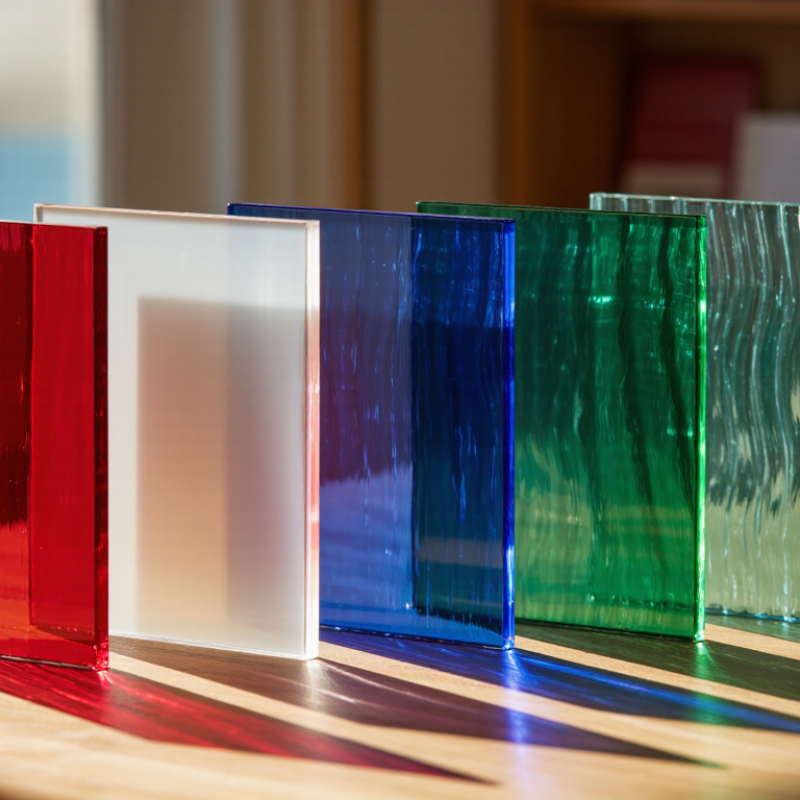
Stained glass sheets differ in both appearance and light transmission. Cathedral glass is transparent, so colors and objects behind it remain visible. Opalescent glass is cloudy or opaque, giving a panel more privacy. Wispy and streaky sheets mix colors in uneven ribbons, while textured surfaces scatter light and soften clear outlines. Look at the sheet near a window, not only under shop lighting. The difference can be striking.
Most sheets are sold at a nominal thickness of 3 mm, or ⅛ inch. This is a useful planning figure, not a guarantee that every point measures exactly the same. Small variations can affect how a piece fits lead came or copper foil. Check the edge and, when precision matters, measure the actual sheet with calipers. A dry fit helps.
Choose thickness and texture for the project, not just the color. A rippled sheet may look subtle on a sample but create strong distortion across a large panel. I find that easy to underestimate. Also confirm that the glass-cutting method and assembly materials suit the selected sheet. Compare samples in daylight if possible, and keep a note of each glass type and measured thickness. That simple record can prevent a disappointing mismatch later.
Stained Glass Sheet Types and Common Thickness
Cathedral, opalescent, wispy or streaky, and textured describe visual styles. The chart uses 3 mm (⅛ in.) as a common nominal thickness reference; actual thickness can vary by sheet and manufacturer.
Thickness is not determined by appearance alone. Check the product specifications and measure the sheet when a precise fit is required.
Compare Sheet Dimensions, Including Common 12 × 12 in. Formats
For 2026 buyers, sheet dimensions can shape a project before color does. A 12 × 12 in. sheet is a common, manageable format for small panels, lamps, and repairs. It fits many worktables and is easier to store than oversized pieces. Still, the stated size may not equal the usable area after trimming. Check the listed dimensions and ask about edge tolerances when a precise fit matters.
Larger sheets can reduce seams in broad designs, but they need more storage and careful handling. Smaller pieces are easier to sort and test, though they may create extra joints. Compare thickness and surface texture as well as length and width; these details affect cutting and how light passes through the finished work. A paper layout helps reveal waste. It will not predict every cut perfectly, and that is worth remembering.
Tips: Measure your pattern, then leave room for trimming. For a 12 × 12 in. sheet, sketch the cuts on a matching paper square first. Check each sheet before cutting; slight size differences can disrupt a tight layout. Keep a little spare material.
Assess Color, Texture, and Light Transmission for Each Project
2026 Best Spectrum Stained Glass Sheets for Buyers
Choosing glass starts with the light your finished piece will receive. Hold a sample near a window, then compare it under indoor lighting. A vivid sheet on a workbench may look muted when installed. Light changes everything. Check color across the whole sheet, since streaks and small variations can affect a large panel.
Tips: View samples against both white and dark backgrounds. Test a small offcut in the intended setting. Note how much light passes through, not just how bright the glass appears. A textured sheet can soften glare and add depth, but may blur fine details. For crisp patterns, smoother glass often gives cleaner lines.
Match texture and transmission to the project’s purpose. A decorative hanging can benefit from strong color and lively surface variation. A window panel may need balanced tones that remain readable in daylight. For privacy, consider denser texture or less transparent glass; for a sun-catching piece, clearer glass may preserve more sparkle. Keep a simple sample record with the color, texture, and lighting conditions. It is easy to misjudge a sheet from a tiny sample, so leave room to revise your choice. Small test first.
Match Glass Thickness to Copper Foil or Lead Came Methods
Choosing glass thickness begins with the joining method, not the color chart. Copper foil is commonly used with glass around 3 mm thick, though sheet thickness can vary. The foil wraps each edge, then solder joins the pieces. Check that the tape width suits the glass; a bulky wrap can make tight curves awkward. Small pieces feel manageable. Very thin glass, however, may chip during cutting or grinding.
Lead came needs a channel that fits the glass thickness. Came profiles vary, so measure the glass and compare it with the channel before building a panel. A loose fit can shift while you work. A tight fit may stress the edges. Some projects use glass around 3 to 6 mm, but that is not a universal range. Test an offcut in the actual came profile.
Use a caliper, not just the supplier’s listed measurement. Handmade sheets can differ from corner to corner. Dry-fit a few pieces before committing to a full design. I once assumed matching sheets would sit evenly; they did not. A small mismatch is easy to miss until the panel starts to wobble. For a broad panel, came may offer useful support, while foil can suit detailed shapes and lighter designs. Check the fit in your hands.
Review Flat-Glass Quality Criteria in ASTM C1036
For buyers comparing spectrum stained glass sheets, ASTM C1036 offers a useful baseline for flat-glass quality. The standard organizes requirements around characteristics such as thickness, dimensions, and visual quality. It helps distinguish measurable defects from normal variation. Check the supplier’s stated glass type and quality level against the standard, rather than relying on “premium” wording alone.
Look closely under even light. A small bubble, seed, or waviness may add character, but can disrupt a repeated pattern. Measure several sheets, not just one: variation between sheets can complicate cutting and fitting. ASTM C1036 does not guarantee a perfect color match or suitability for every craft process. Those details need separate confirmation. Ask for inspection records or a sample from the same production lot. Small step. Big difference.
Treat any figures on a specification sheet as claims to verify. ASTM International’s C1036 specification provides the technical reference; the supplier’s inspection data shows how a particular lot performs against it. Compare reported thickness and size tolerances with your project’s cutting plan, and inspect edges for chips before accepting delivery. A tidy table can still omit useful details. That deserves a second look.