How to Choose the Best Air Purifiers for Allergies and Improve Air Quality
When seeking relief from allergy symptoms, one of the most effective solutions lies in choosing the right air purifiers for allergies. As Dr. Emily Watson, a renowned allergist and air quality expert, emphasizes, "Investing in a quality air purifier can significantly reduce allergens in your home, creating a healthier environment for those suffering from allergies." With the rise in asthma and allergy-related health issues, many individuals are turning to these devices to improve indoor air quality and enhance their overall well-being.
The significance of choosing the best air purifiers for allergies cannot be overstated. Allergens such as dust mites, pollen, pet dander, and mold spores are common triggers for allergic reactions, and their presence in our homes can greatly affect our health. A well-selected air purifier not only captures these pollutants but also provides a sense of security, knowing that the air we breathe is cleaner and safer.
In this guide, we'll explore the essential features to look for when selecting air purifiers for allergies, the science behind their effectiveness, and tips for maintaining optimal air quality in your living spaces. Whether you're a long-time allergy sufferer or just beginning to experience symptoms, understanding your options can empower you to make informed choices for a healthier home environment.
Factors to Consider When Choosing an Air Purifier for Allergies
When selecting an air purifier to alleviate allergies, several crucial factors should be taken into account. First and foremost, the type of filter used in the unit is imperative.
HEPA filters, which can capture 99.97% of particles as small as 0.3 microns, are highly effective for trapping allergens such as pollen, pet dander, and dust mites. Additionally, look for models that incorporate
activated carbon filters, as these can help to eliminate odors and volatile organic compounds (VOCs) that may exacerbate allergy symptoms.
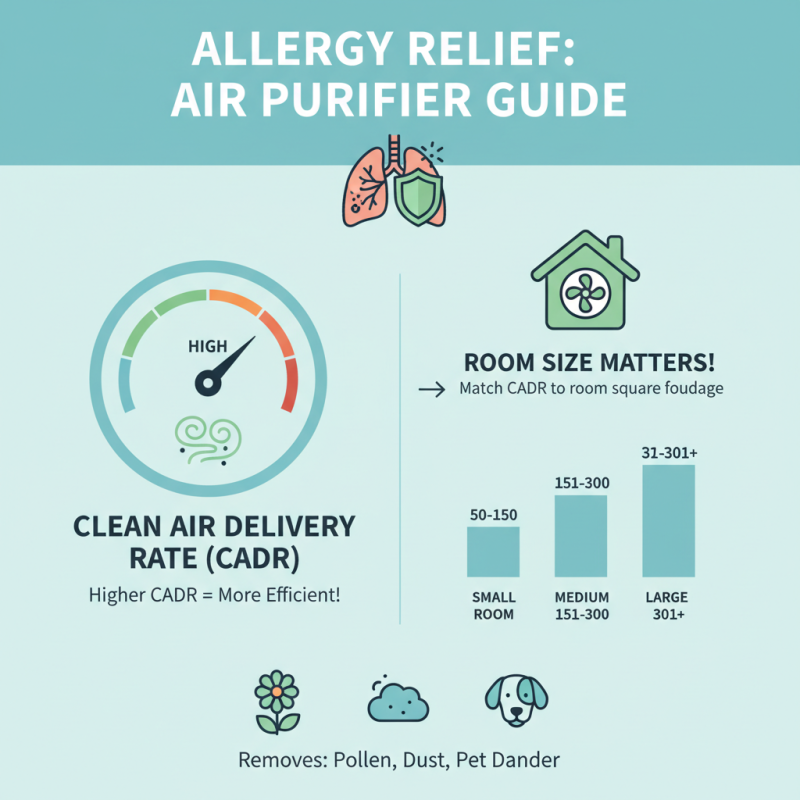
Another important consideration is the size of the room where the air purifier will be used. Each air purifier is designed to cover a specific area, and choosing one that matches the room size ensures optimal performance. It is advisable to check the
Clean Air Delivery Rate (CADR) ratings, which indicate how effectively the unit can filter out various pollutants. Noise level and energy efficiency are also factors worth considering, particularly for those who may keep the purifier running continuously for extended periods. A quieter model can contribute to a more comfortable living environment while maintaining air quality.
Types of Air Purifiers and Their Effectiveness Against Allergens
When selecting an air purifier for allergies, understanding the different types available and their effectiveness against allergens is crucial. HEPA (High-Efficiency Particulate Air) filters are often considered the gold standard in air purification. These filters can capture up to 99.97% of particles as small as 0.3 microns, including pollen, pet dander, and dust mites. For allergy sufferers, investing in a HEPA-filter-equipped purifier can significantly improve indoor air quality by removing common triggers.
In addition to HEPA filters, activated carbon filters play a vital role in addressing odors and volatile organic compounds (VOCs). While they are not specifically designed for particulate matter, they effectively absorb gaseous pollutants, which can contribute to allergic reactions. Another advanced option is ultraviolet (UV) light air purifiers, which target biological contaminants like mold spores and bacteria. Combining different technologies in one unit can enhance overall effectiveness, making it essential to consider your specific allergic triggers when choosing an air purifier.
Key Features to Look for in Allergy-Friendly Air Purifiers
When choosing an air purifier to alleviate allergy symptoms, several key features should be prioritized. First and foremost, the effectiveness of an air purifier is often measured by its Clean Air Delivery Rate (CADR). According to the Association of Home Appliance Manufacturers (AHAM), a higher CADR rating indicates a more efficient air purifier, especially when it comes to removing common allergens such as pollen, dust, and pet dander. For optimal performance, look for a model with a CADR rating that corresponds to the size of the room where the device will be used, ensuring it can circulate air effectively.
Another crucial aspect to consider is the type of filter used in the purifier. HEPA (High Efficiency Particulate Air) filters are recognized for their ability to capture 99.97% of airborne particles as small as 0.3 microns, including allergens and even some bacteria and viruses. The Environmental Protection Agency (EPA) highlights that HEPA filters are essential for individuals with allergies, as they help significantly reduce indoor air pollution. Additionally, some air purifiers come equipped with activated carbon filters, which are beneficial for eliminating odors and volatile organic compounds (VOCs), further improving overall air quality.
In terms of functionality, consider air purifiers that feature multiple fan speeds, real-time air quality monitoring, and a quiet operation mode, which can enhance user experience while ensuring that the air remains clean without excessive noise. Reports suggest that maintaining optimal indoor air quality can lead to improved respiratory health and a reduction in allergy symptoms, underscoring the importance of choosing the right air purifier equipped with these essential features.
Maintenance Tips for Keeping Air Purifiers at Their Best
To ensure that your air purifier functions effectively, regular maintenance is essential. First, keep a close eye on the filter indicators, which signal when it's time for replacement. Different air purifiers utilize various types of filters, including HEPA, activated carbon, and pre-filters. It’s crucial to replace or clean these filters according to the manufacturer’s guidelines to maintain optimal performance. Neglecting filter change can lead to reduced airflow and diminished purification capabilities, potentially exacerbating allergies.
Beyond filter management, it is advisable to regularly clean the exterior of the unit and the pre-filters if applicable. Dust and debris can accumulate on the surfaces, which not only affects the aesthetics of your appliance but can also obstruct airflow. A gentle wipe with a soft cloth and mild detergent can help maintain cleanliness. Additionally, ensuring that the air purifier is placed in an unobstructed area—away from corners or furniture—will allow proper air circulation, enhancing its efficiency. Regular maintenance not only prolongs the lifespan of your purifier but also ensures that you continue to enjoy cleaner, healthier air in your living spaces.
Improving Overall Air Quality in Your Home Beyond Air Purifiers
Improving overall air quality in your home involves a multifaceted approach that goes beyond simply investing in air purifiers. According to the Environmental Protection Agency (EPA), indoor air can be two to five times more polluted than outdoor air, primarily due to common household items and activities such as cooking, cleaning, and even the materials used in furniture. To combat this, it's essential to focus on a variety of strategies, including proper ventilation, moisture control, and the reduction of indoor pollutants.
One effective method to enhance air quality is through the use of ventilation systems. The American Society of Heating, Refrigerating and Air-Conditioning Engineers (ASHRAE) recommends ensuring adequate outdoor air supply by using natural ventilation strategies or mechanical systems to dilute indoor pollutants. Additionally, maintaining low humidity levels (ideally between 30-50%) can prevent the growth of mold and mildew, which are significant allergens; studies indicate that high humidity environments can increase indoor allergen levels by up to 40%.
Furthermore, selecting low-VOC (volatile organic compounds) products can reduce harmful emissions from paints, cleaners, and building materials. According to the World Health Organization (WHO), prolonged exposure to VOCs can lead to respiratory issues and exacerbate allergy symptoms. By consciously choosing decor and cleaning products with minimal chemicals, you can significantly improve the air quality in your living space, contributing to a healthier environment for you and your family.
How to Choose the Best Air Purifiers for Allergies and Improve Air Quality - Improving Overall Air Quality in Your Home Beyond Air Purifiers
| Dimension |
Details |
| Filter Type |
HEPA, Activated Carbon, UV-C |
| Room Size |
Small (up to 200 sq ft), Medium (200-400 sq ft), Large (400+ sq ft) |
| Noise Level |
Silent (<30 dB), Moderate (30-50 dB), Loud (>50 dB) |
| CADR Rating |
Good (150+), Better (250+), Best (350+) |
| Energy Efficiency |
Low (less than 50 watts), Medium (50-100 watts), High (more than 100 watts) |
| Maintenance Cost |
Low ($20/year), Medium ($50/year), High ($100/year) |
| Additional Features |
Smart Control, Air Quality Monitor, Purification Modes |