How to Choose the Best Main Door Lock for Your Home
Choosing a Main Door Lock is not simply a matter of picking the heaviest model or the newest keypad. The right choice depends on your door, daily habits, and the level of security you need. Security technologist Bruce Schneier’s well-known reminder, “Security is a process, not a product,” offers a useful perspective. A strong lock matters, but so do correct installation, a sound door frame, and consistent use.
Start with the basics. Check whether your door is wood, metal, or composite, and measure its thickness before comparing models. Look for a deadbolt with a suitable ANSI/BHMA security grade, and check that the strike plate can be secured firmly to the frame. A lock can look substantial in a showroom. Its performance still depends on the door around it. That detail is easy to overlook.
Then consider how the lock fits your routine. A keyed deadbolt may suit a household that prefers simple operation. A smart lock can offer access codes and activity alerts, but it also needs dependable power and careful account management. Convenience has trade-offs. No model removes every risk.
This guide will compare lock types, security ratings, installation considerations, and useful features. It will also explain what to check before buying, so you can avoid paying for functions you may never use. One honest caveat: product claims can sound reassuring, but specifications and compatibility deserve a closer look. A lock should fit your actual door—not just the picture on the box.
Assess Your Home’s Entryway and Security Needs
Before choosing a main door lock, inspect the entryway itself. Check whether the door feels solid, closes without being forced, and sits evenly in its frame. A strong lock cannot compensate for a loose frame or a worn strike plate. Look for gaps around the door, rust near the hardware, and signs that the latch sticks. Small details matter.
Consider what the entrance faces. A sheltered porch, a dim side path, and a door visible from the street present different concerns. Check nearby windows and secondary entrances too; strengthening only the front door may leave other easy access points overlooked. Think about who needs entry each day, including children, older adults, or trusted visitors. A keypad or keyed lock may suit one household better than another. Convenience matters.
Match the lock to the door’s material, thickness, and existing hardware, and ask a qualified installer if compatibility is unclear. Also assess how keys are shared and whether access needs to change when routines change. It is easy to focus on the lock’s advertised strength and miss the door frame. I nearly did. Revisit your assessment after repairs, renovations, or changes in who lives at home.
Compare the Main Types of Door Locks
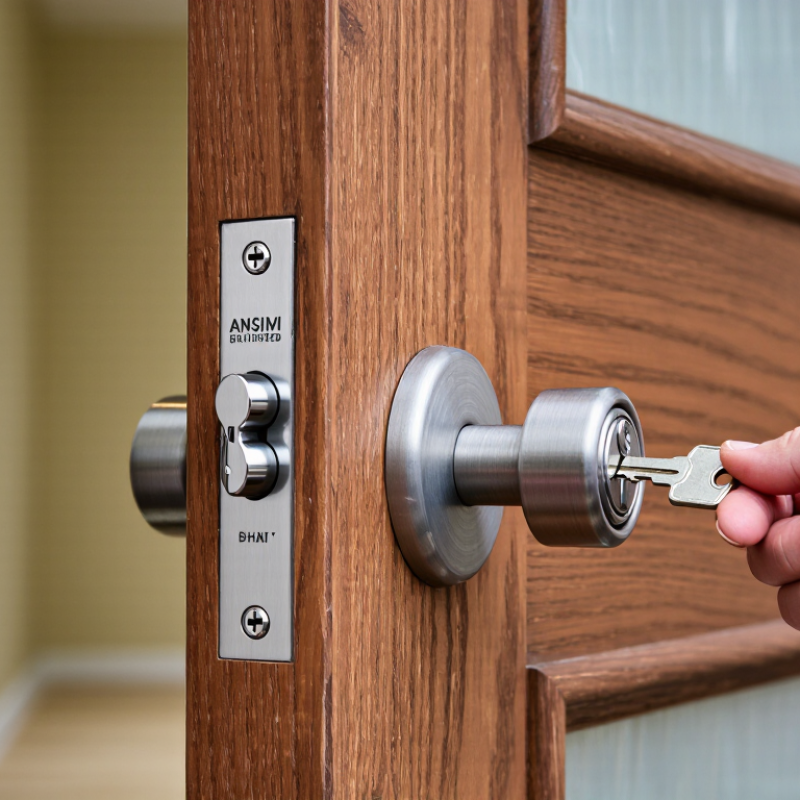
A deadbolt is a common choice for an exterior door because its solid bolt extends into the frame. A single-cylinder model uses a key outside and a thumb turn inside. Check that the bolt enters the strike plate cleanly; a misaligned frame can make even a sturdy lock feel unreliable. Small detail, big difference.
Knob and lever locks are convenient, but they are usually better as part of a lock set than as the only security measure. Their latch can be easier to force than a deadbolt’s bolt. Lever handles are easier to use when carrying groceries, though they may also be easier for a child or pet to operate. I once underestimated that.
Mortise locks fit into a pocket cut into the door and often combine a latch and lock in one body. They can feel substantial, but installation depends on the door’s thickness and preparation. Smart locks add keypads or phone access, which can help when hands are full. They also need power, setup, and occasional troubleshooting. Not magic. Before choosing, compare the lock’s fit, the condition of your door frame, and how you actually enter your home each day.
How to Choose a Main Door Lock: Compare Deadbolt Grades
Keyed, keypad, and smart deadbolts differ in how you unlock them. For a standards-based comparison, check the ANSI/BHMA grade: higher grades indicate higher tested durability and security requirements.
The chart shows cycle-test benchmarks for deadbolts under ANSI/BHMA A156.5: Grade 1, 250,000 cycles; Grade 2, 150,000 cycles; Grade 3, 100,000 cycles. These figures measure tested operation, not how long a lock will last in a particular home or how long it resists a break-in. Look for a certified grade on the specific lock model; features vary by product.
Evaluate Security Ratings and Key Features
A lock’s finish may catch your eye, but its tested grade matters more. Check for an ANSI/BHMA security rating: Grade 1 offers the highest performance, followed by Grades 2 and 3. The rating reflects laboratory tests, not a promise that a lock can defeat every attack. Match the grade to your door, household needs, and budget.
Look beyond the cylinder. A deadbolt with a one-inch bolt, a reinforced strike plate, and long mounting screws can help resist forced entry. Fit is crucial: a strong lock installed in a loose frame may offer less protection than expected. The FBI’s 2019 Uniform Crime Reporting data found that 62.8% of reported burglaries involved residences. That figure does not show which locks worked, but it underlines why the whole entry system deserves attention. Small details count.
Tips: Check that the bolt extends fully into the strike plate. Test the key and thumb turn after installation. If the door sticks, fix the alignment before blaming the lock. Smart locks add convenience, but review backup access and battery alerts. Features can be overlooked. A professional installer can spot a weak frame, though that extra step may feel unnecessary until something goes wrong.
Check Door Compatibility and Installation Requirements
Before choosing a main-door lock, measure the door rather than guessing from its appearance. Check door thickness, bore-hole diameter, and backset—the distance from the door edge to the center of the handle hole. Also inspect the edge bore, latch shape, and strike-plate position. Small measurements matter. A new deadbolt may not align with an existing frame opening, leaving the bolt to scrape or stop short. Check the installation guide for required clearances, tools, and door-handling direction. If the door is warped or the frame is loose, correct that first; a lock cannot compensate for poor alignment.
Fit affects security, but statistics need careful interpretation. The FBI’s 2019 Uniform Crime Reporting data classified 55.7% of reported burglaries as forcible entry and 34.5% as unlawful entry without force. These figures do not show that a particular lock prevents entry, but they reinforce the value of a properly seated bolt and strike plate. Look for documented testing under relevant ANSI/BHMA standards, and compare the stated grade rather than relying on vague “heavy-duty” wording. One detail is easy to overlook: a longer bolt still needs a clear path into the frame. If measurements are uncertain, take photos and ask a qualified installer to verify compatibility before buying.
Choose a Lock That Fits Your Budget and Maintenance Needs
A sensible lock is one you can afford to install and maintain, not simply the one with the lowest shelf price. Set a budget that includes fitting, new keys, and any door adjustments. A sturdy deadbolt may offer better value than an elaborate keypad if you prefer a simple routine. Check that the lock suits your door’s thickness and existing holes; a mismatch can add labor costs. Small details matter. I would check the fitting requirements twice, because it is easy to compare prices and overlook installation.
Maintenance needs depend on your home and habits. A door exposed to rain or salty air may need more frequent checks for corrosion or sticking. Wipe the lock with a soft cloth, and follow its care instructions before applying any lubricant. Some products can attract dust or affect internal parts. Keypad models may avoid spare-key hassles, but batteries need replacing, and buttons can wear. Consider whether you are comfortable with those small tasks. If you rarely want to troubleshoot, a mechanical lock may feel less demanding. No option is maintenance-free, and a low-cost choice can become frustrating if replacement parts are hard to find. Ask about service access and routine care before deciding.
How to Choose the Best Main Door Lock for Your Home - Choose a Lock That Fits Your Budget and Maintenance Needs
| Lock Type | Typical Hardware Cost (USD) | Power and Maintenance | Convenience and Access | Best Fit | Security Considerations |
| Keyed single-cylinder deadbolt | About $20–$100 | No batteries or wiring. Keep the keyway clean, and have worn keys or cylinders checked if operation becomes difficult. | Operates with a key from outside and a thumb turn from inside. | Homeowners seeking a simple, low-cost lock with minimal upkeep. | Choose a model tested to a recognized residential standard and ensure the bolt, strike plate, and door frame are properly installed. |
| Keypad electronic deadbolt | About $60–$200 | Battery-powered. Replace batteries as indicated by the lock and keep a working backup key if the model provides one. | Allows entry using a PIN, often with a key override; some models support multiple codes. | Households that want keyless entry without relying on a phone or home network. | Use unique access codes, remove codes that are no longer needed, and secure the door and frame as carefully as with a mechanical deadbolt. |
| Connected smart deadbolt | About $100–$300 | Usually battery-powered. Battery life varies with use and connectivity; check alerts and maintain any required app, network, or hub setup. | May offer app control, temporary codes, activity records, or remote access, depending on the model and setup. | People who value remote access, guest codes, or integration with compatible home systems. | Review software-support policies and account security. Remote features depend on the model, network, and configuration; they do not replace a sound door and frame. |
| Mortise lock | About $150–$500 or more | Typically mechanical, with no batteries. Periodic inspection and suitable lubrication may be needed; installation or repairs can require a specialist. | Combines the lock body and latch in a pocket cut into the door; configurations vary and may include a keyed cylinder and handle set. | Doors already prepared for a mortise lock, or projects where a compatible replacement is being installed. | Confirm that the lock fits the door preparation and that installation is done correctly. Retrofitting may require substantial door work. |
Cost note: Prices are approximate hardware-only ranges in U.S. dollars; actual prices vary by features, materials, location, and retailer. Installation, door modifications, and replacement parts may add to the total. For any lock type, check door compatibility and installation requirements before buying.