


Blog

How to Choose the Best Sleeping Bag for Camping?

Choosing the right Sleeping Bag can turn a cold, restless night into genuine recovery. The decision is not just about the lowest temperature printed on a label. It also depends on your sleeping pad, clothing, campsite, and how warm you naturally sleep. Backpacking educator Andrew Skurka often emphasizes that equipment must suit the trip; a useful summary for campers is, “Choose your sleep system for the conditions you expect, not the ones you hope for.” Treat that as a practical principle, not a substitute for checking a bag’s rating and manufacturer guidance.

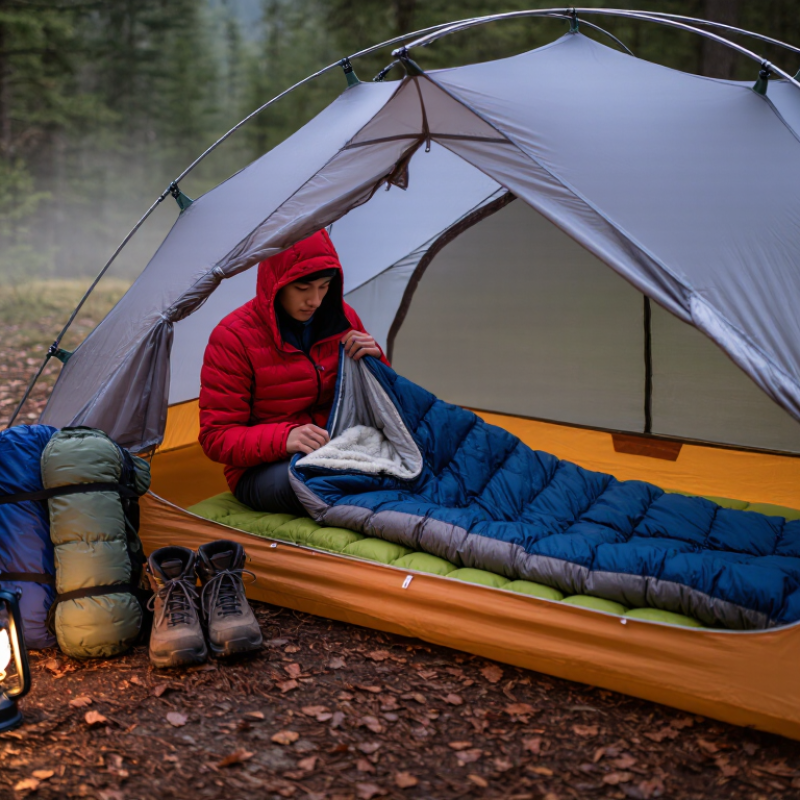
Picture a damp shoulder-season campsite: the ground feels cold beneath your pad, and a breeze slips through the tent door. A lightweight summer bag may look appealing in the shop, but it can leave you shivering after midnight. Compare comfort ratings, insulation type, shape, packed size, and fit. Then consider whether you need room to move or prefer a close-fitting bag that holds warmth. Small details matter. A hood that stays put can feel more valuable than a few ounces saved.

This guide will explain how to match temperature ratings to real camping conditions, weigh down versus synthetic insulation, and choose a practical shape and size. It will also cover care, storage, and common buying mistakes. One honest caveat: no rating predicts every sleeper’s comfort. Your first trip may teach you something the product label cannot. Use that lesson to refine your next choice.
How to Choose the Best Sleeping Bag for Camping?

Assess Your Camping Conditions and Expected Temperatures

How to Choose the Best Sleeping Bag for Camping?

Assess Your Camping Conditions and Expected Temperatures

Start with the coldest overnight temperature you may face, not the warm afternoon forecast. Check the forecast for your campsite and consider its elevation, wind, and exposure. A sheltered valley can feel very different from an open ridge. Forecasts are estimates, and this is easy to underestimate. Allow a modest temperature buffer if conditions may change.

Tips: Compare the bag’s comfort rating with expected lows. Don’t rely on its lower-limit rating for a comfortable night. A sleeping pad matters too; cold ground can steal warmth even inside a suitable bag.

Think about how you sleep and what you’ll wear. If you tend to feel cold, choose extra warmth rather than aiming for the exact forecast low. Damp air, sweaty clothes, or a thin pad can make a mild night uncomfortable. For trips across changing seasons, weigh a warmer bag against its bulk and ventilation options. A bag that is too warm can feel clammy, so temperature ratings are a starting point, not a promise.

Compare Sleeping Bag Temperature Ratings and Insulation Types

A sleeping bag’s temperature rating is a guide, not a promise of comfort. Look for a comfort rating if you sleep cold, and compare it with the lowest temperatures you expect overnight. Some labels also list a limit rating, which may describe a colder survival range rather than a restful night. Check how the rating was tested; methods can differ. Read the fine print.

Down insulation is light and compresses into a small bundle, which helps on long hikes. Its weakness is moisture: damp down can lose much of its loft and warmth. Synthetic insulation usually handles wet conditions better and dries faster, but often weighs more and takes up more pack space. Neither type wins every trip. A rainy campsite and a dry alpine trail ask different things.

Think about your sleeping pad, too. A warm bag cannot fully offset heat escaping into cold ground. If you camp near 0°C, choose a rating with a sensible buffer, especially if forecasts are uncertain. Try the bag at home with your usual sleep clothes; tight layers can compress insulation. It is easy to overthink the number. Still, a rating is only one part of a warm night.

Choose a Suitable Shape, Size, and Fit

A sleeping bag should fit your body and your usual sleeping position, not just look roomy in a photo. Mummy shapes hold warmth well because they leave less air to heat, but their narrow shoulders and knees can feel restrictive. Rectangular bags offer space to turn and stretch, though that extra room may feel cooler on chilly nights. A tapered shape can be a useful middle ground. Still, shape labels do not tell the whole story.

Check the bag’s listed length and shoulder and hip widths against your measurements. Leave enough space to bend your knees and wear a thin base layer, but avoid so much extra room that your feet cannot warm the footbox. Try lying down with your arms in your normal position. Turn onto your side. Notice any tight pull across the shoulders or compressed insulation at your feet. If you share a tent, consider how easily you can move without pushing against the walls. Sizing can vary between makers, so compare the actual dimensions rather than relying on labels like “regular.” It is easy to overvalue generous space; I would reconsider that choice if warmth matters more than unrestricted movement.

Evaluate Weight, Packability, and Essential Features

A sleeping bag can feel light in the shop and awkward after a long uphill walk. Compare its packed weight with your full kit, not in isolation. The 2024 Outdoor Industry Association Participation Trends Report recorded 175.8 million U.S. outdoor participants in 2023. That broad mix of day trips and overnight outings makes one “best” weight unrealistic. For a hike, every few hundred grams matter; for a short drive to camp, a roomier bag may be worth carrying.

Check packed dimensions, too. A narrow stuff sack may fit inside a pack, while a bulky bag can crowd out food and rain layers. Test the packed shape against your actual backpack. I still misjudge this sometimes. A small scale and a practice pack at home reveal more than a product photo.

Then check temperature ratings and construction. ISO 23537 sets laboratory methods for testing sleeping-bag thermal performance, but a rating is not a promise of personal comfort. Sleepers vary, and damp clothing or a thin sleeping pad can make a rated bag feel colder. Look for a hood that seals around your head, a zipper that moves without snagging, and insulation suited to expected conditions. Small details matter. A draft tube can block cold air at the zipper; a snagged zipper can still ruin a tired evening.

How to Choose the Best Sleeping Bag for Camping? — Evaluate Weight, Packability, and Essential Features

Sleeping Bag Type Typical Weight Typical Packed Volume Indicative Comfort Rating Insulation Essential Features to Check Best Suited For
Warm-weather synthetic 1.0–1.5 kg (2.2–3.3 lb) 8–14 L About +5°C to +10°C (41°F to 50°F) Synthetic fill Two-way zipper for ventilation, draft tube, and a washable shell Summer trips and damp conditions where easy-care insulation is useful
Three-season synthetic 1.4–2.1 kg (3.1–4.6 lb) 12–22 L About −2°C to +5°C (28°F to 41°F) Synthetic fill Insulated hood, draft collar, snag-resistant zipper, and enough room to layer General camping and trips where moisture resistance matters more than minimum weight
Three-season down 0.8–1.4 kg (1.8–3.1 lb) 7–13 L About −2°C to +5°C (28°F to 41°F) Down, commonly around 600–800 fill power Well-fitting hood, draft collar, durable shell, and clear care instructions Backpacking when low weight and compact packing are priorities
Cold-weather down 1.4–2.3 kg (3.1–5.1 lb) 12–22 L About −10°C to −5°C (14°F to 23°F) Down, often with higher fill power to reduce weight for a given warmth Warm hood, substantial draft collar, full-length draft tube, and compatible zipper design Cold-weather camping where warmth-to-weight ratio is important
Roomy car-camping bag 1.8–3.5 kg (4.0–7.7 lb) 20–40 L Varies widely; check the stated comfort rating Usually synthetic; some models use down Spacious cut, easy-entry zipper, washable construction, and a storage sack for home use Car camping, where comfort and space usually matter more than packed size

Weight, packed volume, and temperature ranges are indicative examples, not fixed standards for each type. Compare the bag’s ISO or EN comfort rating when available, and choose for the coldest conditions you expect. A sleeping pad’s insulation also affects warmth; down packs smaller for its warmth but needs protection from moisture, while synthetic insulation generally handles damp conditions better.

Balance Durability, Comfort, and Budget for Your Needs

A sleeping bag is a long-term purchase, so weigh warmth against years of use and the price you can afford. The Outdoor Industry Association’s 2024 Outdoor Participation Trends Report estimated that 175.8 million Americans took part in outdoor recreation in 2023. More outings can mean more nights packing, unpacking, and pitching camp in damp conditions. A tough shell, sturdy stitching, and a reliable zipper matter when the bag sees regular use. But heavier, more durable materials can cost more and take up extra room. A tight budget is real; just check construction before choosing the lowest price.

Comfort starts with the temperature rating, not the season printed on a product label. ISO 23537-1:2022 sets testing and labeling requirements for adult sleeping bags, including comfort and limit temperatures. Treat those figures as a comparison tool, not a promise that you will sleep warmly. Wind, damp clothing, and individual cold sensitivity all change the night. A roomy bag feels less restrictive, while a snug cut can reduce empty space that your body must warm. Test the zipper and hood with the layers you actually plan to wear. It is easy to overbuy warmth. It is also easy to regret too little insulation when the tent walls feel cold before dawn.