What is a good air purifier and how to choose one?
Air quality has become a significant concern for many households. A good air purifier can significantly improve indoor air quality. According to the World Health Organization, around 91% of the world's population lives in places that exceed air quality guidelines. This highlights the need for effective air purification solutions.
Choosing a good air purifier involves understanding key features. CADR, or Clean Air Delivery Rate, is a crucial metric. It tells you how quickly a purifier can clean the air in a room. Research from the Environmental Protection Agency indicates that purifiers with HEPA filters capture 99.97% of particles that are 0.3 microns in size. This statistic emphasizes how important filter efficiency is.
However, not all purifiers are suitable for every space. A common mistake is selecting a model without considering room size. Consumers often overlook noise levels as well. A good air purifier should operate quietly, especially in bedrooms. When selecting one, think about the specific needs of your space. It’s essential to ask: what do you expect from your air purifier? Balancing effectiveness and convenience should be the goal.
Understanding Air Purifiers: The Basics and Benefits
Air purifiers play a vital role in enhancing indoor air quality. According to the Environmental Protection Agency (EPA), indoor air can be two to five times more polluted than outdoor air. This pollution can stem from dust, allergens, and even volatile organic compounds (VOCs) found in household products. Understanding the mechanics of air purifiers can help individuals make informed choices.
There are several types of air purifiers on the market, each catering to specific needs. High-Efficiency Particulate Air (HEPA) filters capture 99.97% of particles as small as 0.3 microns. This means they effectively remove allergens like pollen and pet dander. In an urban setting, where air quality is often compromised, it’s crucial to consider these specifications. However, many consumers overlook the importance of the Clean Air Delivery Rate (CADR), which measures the efficiency of air purifiers in eliminating various pollutants. Good CADR ratings ensure optimal performance.
While the benefits are clear, selecting an air purifier can be daunting. One might find themselves overwhelmed by options. The decision often boils down to personal needs and room size. Often consumers make assumptions about features, overlooking maintenance requirements. Filters need regular replacements, and energy consumption adds to the cost. Understanding these factors is essential, as neglecting them can lead to dissatisfaction. Ultimately, clarity about what you need can guide your choice.
Key Features to Look for in an Air Purifier
When choosing a good air purifier, consider the key features that make one effective. A true air purifier should have a HEPA filter. This filter captures 99.97% of particles as small as 0.3 microns. It includes dust, pollen, and pet dander. Some models might promise greater efficiency, but not all live up to the hype. Sometimes, relying on marketing can lead to disappointment.
Look for an air purifier with a CADR rating. This stands for Clean Air Delivery Rate. It indicates how quickly the unit cleans the air. A higher number means better performance. However, not all brands disclose this information. Check the specifications carefully.
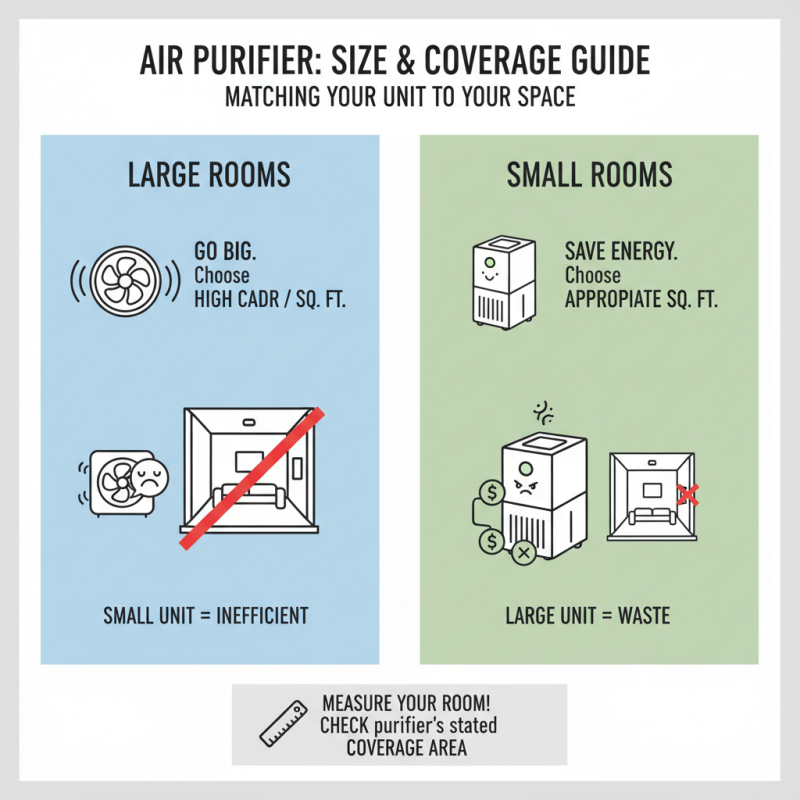
Another important factor to consider is noise level. Some units can be surprisingly loud. A quieter purifier can make a big difference in your daily life. Understand where you'll place the unit. If it's near your bedroom, low noise is critical. Additionally, assess the purifier's size. It should match the room's dimensions for optimal effectiveness. A smaller unit may struggle to purify larger spaces adequately.
Types of Air Purifiers and Their Effectiveness
When considering air purifiers, understanding the types available is crucial.
HEPA filters are popular due to their effectiveness. They can capture 99.97% of particles that are 0.3 microns or larger. This includes allergens like pollen, dust, and pet dander.
According to the Environmental Protection Agency, indoor air can be two to five times more polluted than outdoor air.
With the right HEPA filter, you can significantly improve your home’s air quality.
UV-C purifiers offer another option. They use ultraviolet light to kill bacteria and viruses. Studies show that these purifiers can reduce the spread of airborne diseases. However, they may not remove larger particles effectively. It’s important to consider specific needs when choosing an air purifier. Some models combine multiple technologies, which can be beneficial.
Activated carbon filters are also worth mentioning. These are effective at removing odors and gases.
Research indicates that these filters excel in reducing volatile organic compounds found in household products.
However, they do require frequent replacement to maintain effectiveness. Keep in mind that the choice of air purifier often depends on individual situations and needs. Evaluating your environment is key to making the right decision.
How to Assess the Size and Coverage of an Air Purifier
When choosing an air purifier, size and coverage are crucial. A small unit may struggle in a large room. Conversely, a larger purifier can be overkill for a small space, wasting energy. Measure your room's dimensions to ensure a proper fit. Look for units that specify the square footage they can adequately cover.
Consider the air change per hour (ACH) rating. This indicates how often the purifier can process the entire room's air. A higher ACH means cleaner air faster. For example, a purifier with a rating of 4 can cycle the air four times an hour. This is ideal for spaces where people spend a lot of time.
It's also important to reflect on where you'll place the unit. Ensure it has ample room around it for airflow. Avoid corners or areas with obstacles. Sometimes, people underestimate their space needs and end up with less effective purifiers. This can lead to disappointment. Always read the specifications carefully and think twice about your choice.
Evaluating Budget Options: Cost vs. Performance in Air Purifiers
When choosing an air purifier, budget is often a key factor. Many options exist at varying price points. However, a lower price doesn’t always translate to lower effectiveness. It's important to balance cost with performance. For instance, cheaper models may lack essential features, like HEPA filters, that trap tiny particles. A unit may save money upfront but could fail to improve air quality.
Consider the long-term costs too. Some purifiers use inexpensive filters, while others require costly replacements. Look for models with durable filters that offer longer lifespans. This can reduce your overall spending. Also, noise levels can impact your comfort. An affordable option might operate louder than you'd like. Checking user reviews can provide insight into this.
Evaluate the specific needs of your space. A small room doesn’t need an industrial-strength unit. Opt for a purifier that suits your size and air quality concerns. Remember, performance matters. It might be tempting to save money, but investing in a suitable device pays off in better air. Balancing your budget with effective performance can enhance your home environment significantly.
What is a good air purifier and how to choose one? - Evaluating Budget Options: Cost vs. Performance in Air Purifiers
| Model |
Price ($) |
CADR (100 CFM) |
Filter Life (months) |
Noise Level (dB) |
Energy Consumption (W) |
| Model A |
150 |
200 |
12 |
30 |
50 |
| Model B |
100 |
180 |
6 |
25 |
40 |
| Model C |
250 |
220 |
24 |
35 |
70 |
| Model D |
80 |
150 |
3 |
20 |
30 |