How to Choose the Best Small Room Air Purifier for Your Home
When it comes to maintaining a healthy indoor environment, the significance of air purification cannot be overstated, especially in small living spaces. According to a report by the Environmental Protection Agency (EPA), indoor air can be two to five times more polluted than outdoor air, with contaminants such as dust, pollen, and volatile organic compounds (VOCs) significantly impacting air quality. For individuals living in apartments or compact homes, investing in an efficient small room air purifier is essential to mitigate these risks and foster a cleaner atmosphere.
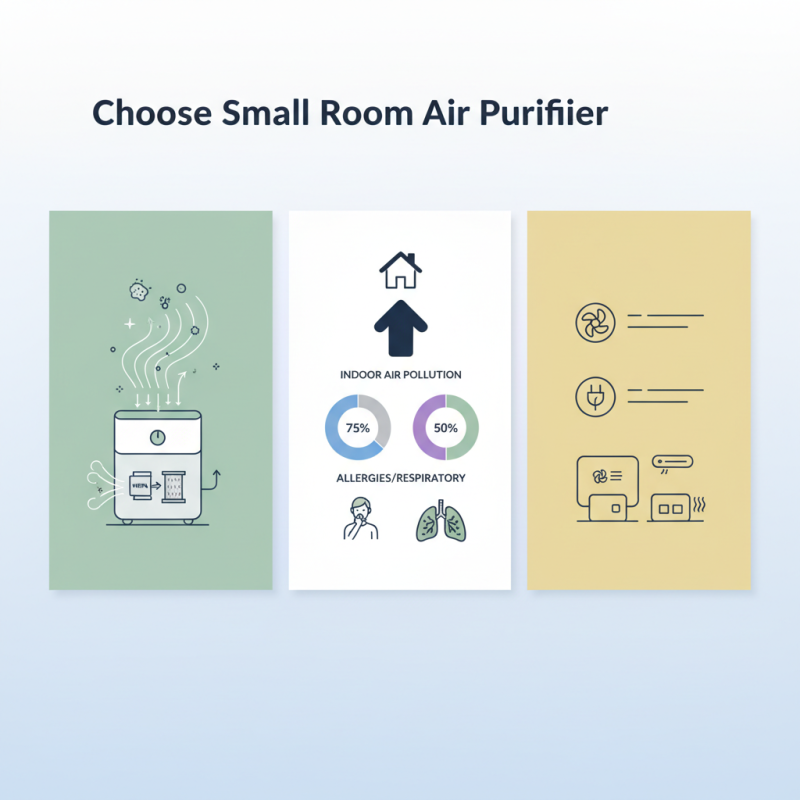
The rising awareness of air quality issues has led to an increased need for effective air purification systems tailored for small rooms. Research indicates that approximately 50% of people suffer from allergies and respiratory ailments exacerbated by poor air quality, emphasizing the need for specialized solutions. A reliable small room air purifier can effectively reduce allergens and airborne pollutants, creating a healthier living space. With various options available, understanding how to select the right air purifier for confined areas becomes crucial for ensuring optimal performance and health benefits.
Understanding the Importance of Air Purifiers for Small Rooms
Air purifiers have become an essential household item, especially for those living in small spaces. Studies indicate that indoor air can be two to five times more polluted than outdoor air, largely due to toxins released from furniture, cleaning agents, and even electronics. According to the U.S. Environmental Protection Agency, the average person spends about 90% of their time indoors, which underscores the need for effective air purification systems in smaller rooms where air can easily become stale and contaminated.
For small rooms, the size of the air purifier and its Clean Air Delivery Rate (CADR) are critical factors to consider. Research conducted by the Association of Home Appliance Manufacturers indicates that air purifiers with a CADR of at least 150 cubic feet per minute (CFM) can significantly reduce airborne pollutants such as dust, pollen, and smoke in rooms up to 400 square feet. Furthermore, smaller purifiers with HEPA filters can capture up to 99.97% of particles that are 0.3 microns or larger, making them particularly effective in maintaining a healthy indoor environment where space is limited. Thus, selecting the right air purifier not only enhances air quality but also contributes to overall well-being, particularly in compact living spaces.
Key Features to Look for in a Small Room Air Purifier
When choosing the best small room air purifier, it's essential to focus on several key features that can significantly impact performance and usability. First and foremost, consider the Clean Air Delivery Rate (CADR) which measures the volume of clean air produced per minute. According to the Association of Home Appliance Manufacturers (AHAM), units with a higher CADR provide better air purification, especially in smaller spaces. For effective coverage, look for a CADR rating that matches the size of the room; for instance, a small purifier is suitable for rooms of about 150 square feet if it has a CADR of at least 100.
Another critical feature is the type of filtration system. HEPA filters are widely recommended due to their ability to capture up to 99.97% of particles as small as 0.3 microns. A study published by the American Society of Heating, Refrigerating and Air-Conditioning Engineers (ASHRAE) highlights that HEPA filtration can significantly reduce allergens, dust, and pet dander, making it a crucial element for those with respiratory sensitivities. Additionally, consider features like activated carbon filters for odor removal, and check for noise levels, as quieter models can provide better comfort in small spaces. A unit with a noise level below 30 dB is ideal for bedrooms or study areas, allowing for peaceful environments while still improving air quality.
How to Choose the Best Small Room Air Purifier for Your Home - Key Features to Look for in a Small Room Air Purifier
| Feature |
Description |
Importance |
| Filter Type |
HEPA filters capture 99.97% of particles, ideal for allergens. |
High |
| CADR Rating |
Clean Air Delivery Rate indicates effectiveness in removing pollutants. |
High |
| Room Size Compatibility |
Purifier should match the room size for optimal performance. |
Medium |
| Noise Level |
Measured in decibels, lower values indicate quieter operation. |
High |
| Filter Replacement Cost |
Consider ongoing costs for filter replacements. |
Medium |
| Energy Efficiency |
Look for Energy Star rated models to save on electricity. |
High |
| Smart Features |
Wi-Fi capability and air quality sensors enhance usability. |
Medium |
Types of Air Purification Technologies and Their Effectiveness
When choosing an air purifier for a small room, it is crucial to understand the various air purification technologies available and their effectiveness.
The primary types of technologies include HEPA filters, activated carbon filters, ionizers, and UV light purifiers.
HEPA filters, for instance, are renowned for their ability to capture up to 99.97% of particles that are 0.3 microns or larger, which includes dust, pollen, and pet dander, making them a popular choice for allergy sufferers.
According to a report by the Environmental Protection Agency (EPA), HEPA filters can significantly improve indoor air quality by reducing airborne particulates, leading to better respiratory health.
On the other hand, activated carbon filters excel at adsorbing volatile organic compounds (VOCs) and odors, which are often a concern in small, enclosed spaces.
While they don’t trap particulates, their ability to neutralize harmful gases makes them an essential part of air purification systems.
A study published in the Journal of Environmental Health indicates that when combined with HEPA filtration, activated carbon can effectively reduce indoor air pollution levels by over 50%.
Additionally, technologies like ionizers can help reduce particles in the air by charging them, causing them to clump together and fall out of the air, although some models may produce ozone, which requires careful consideration of safety standards.
UV light purifiers offer another dimension by targeting germs and bacteria, providing an extra layer of protection, especially in small rooms that might retain higher humidity levels where pathogens thrive.
Research by the World Health Organization suggests that UV purifiers can reduce virus concentrations in the air by up to 99%, making them an asset for those concerned about infectious diseases.
Understanding these varied purification technologies enables homeowners to make informed decisions based on their specific air quality needs.
Evaluating Noise Levels and Energy Efficiency in Air Purifiers
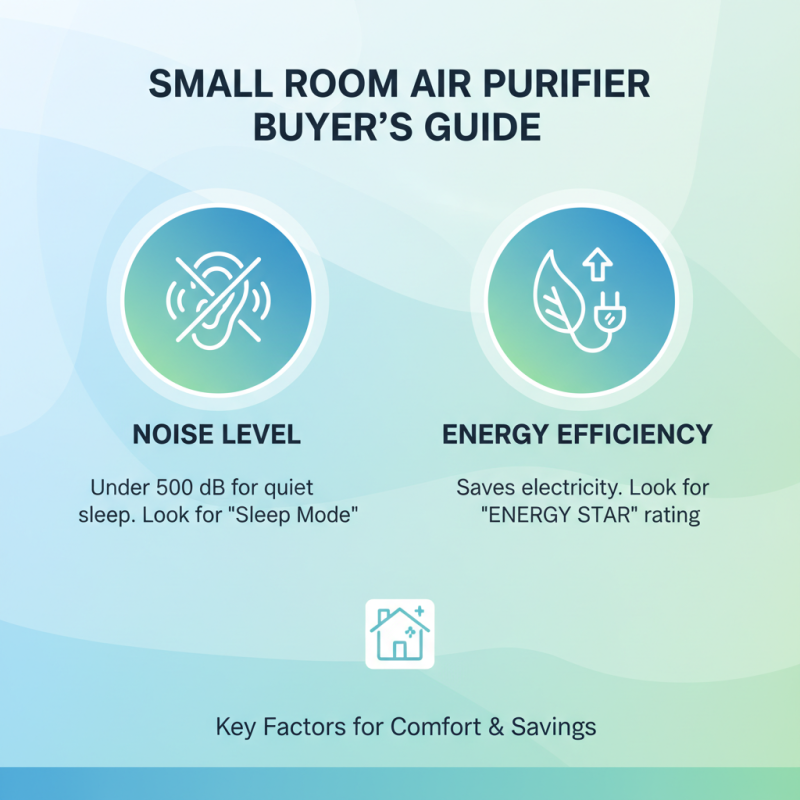
When selecting an air purifier for a small room, evaluating noise levels and energy efficiency is crucial. Small room air purifiers often operate in close proximity to living spaces, making noise a significant concern. Look for models that specify their decibel levels, as purifiers with a noise rating under 50 dB are generally considered quiet enough for nighttime use. Many purifiers offer a sleep mode or night setting that reduces fan speed and sound output, ensuring minimal disturbance while you rest.
Energy efficiency is another key factor to consider, especially if you plan to run the air purifier continuously. Opting for an air purifier with an Energy Star rating can lead to long-term savings on your electricity bill, as these models are designed to consume less energy without compromising performance. Additionally, consider purifiers that feature programmable timers and automatic sensors, allowing the device to operate only when necessary, thereby enhancing its energy-saving capabilities. By prioritizing these attributes, you can ensure a quiet and cost-effective solution for maintaining a fresh and clean environment in your small room.
Tips for Maintaining and Optimizing Your Air Purifier Usage
Maintaining and optimizing your air purifier's usage is essential to maximizing its efficiency and ensuring clean air in your small room. According to the EPA, indoor air can be up to five times more polluted than outdoor air, making effective air purification critical.
To keep your air purifier functioning at its best, start by regularly checking and replacing filters according to the manufacturer's recommendations.
High-Efficiency Particulate Air (HEPA) filters, for example, can capture up to 99.97% of particles as small as 0.3 microns, but their effectiveness diminishes as they become clogged with dust and allergens.
In addition to filter maintenance, proper placement of your air purifier can significantly enhance its performance.
The American Lung Association suggests positioning the unit in areas with the highest concentration of pollutants, such as bedrooms or living rooms, and ensuring it is placed a few feet away from walls and furniture for optimal airflow.
Running the purifier continuously or on a higher setting during peak pollution times, like during cooking or after cleaning, can also help in maintaining a healthier indoor environment.
By using these strategies, you can extend the lifespan of your air purifier and improve air quality in your home effectively.