


Blog

How to Choose the Best Office Water Dispenser?

Choosing the right Office Water Dispenser is not merely a matter of matching a machine to a wall.

It affects hydration, hygiene, maintenance costs, and daily employee comfort. In a busy office, a dispenser may serve dozens of people before lunch. That usage quickly exposes weak filtration, slow dispensing, loud pumps, or poor sanitation. Water expert Peter Gleick has said, “Water is the most precious resource on Earth.” His reminder makes this decision feel less like shopping and more like responsible facility management.

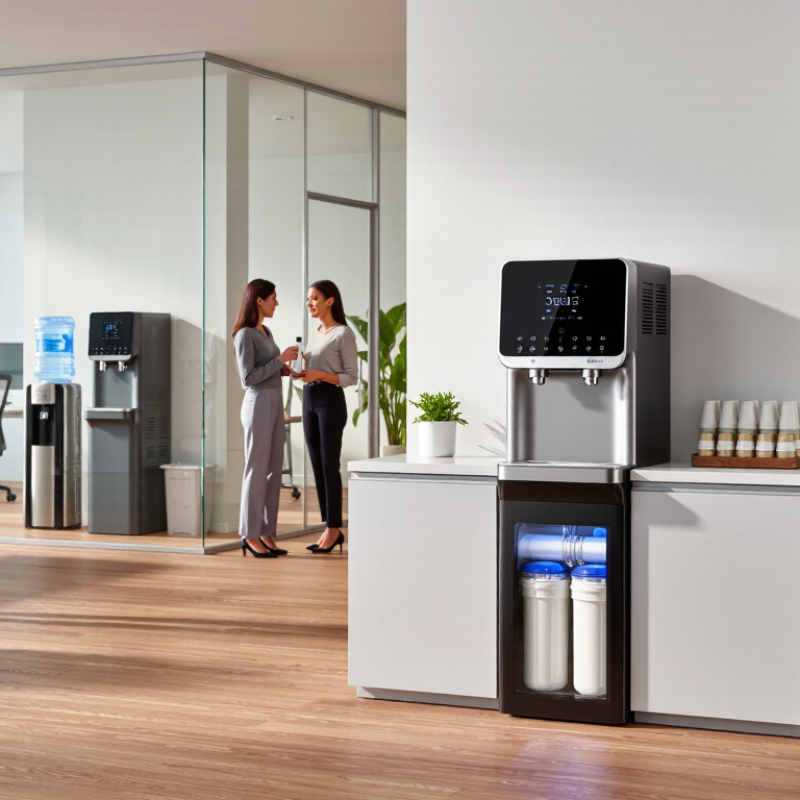
The best choice depends on your office size, plumbing access, budget, and cleaning capacity. A bottleless dispenser can reduce delivery work and plastic waste, but it needs dependable installation and scheduled filter replacement. A bottled model offers flexibility, though storage space and lifting demands can become inconvenient. Check certified filtration performance, hot and cold output, child-safety controls, noise levels, and accessible controls. Also ask who will clean the drip tray and document maintenance.

No checklist is perfect.

A small team may value compact design more than high capacity. A large workplace may need multiple units near meeting rooms, kitchens, and production areas. Taste matters too. Employees notice stale water, metallic flavors, and empty bottles quickly. The cheapest machine can become expensive when service calls, filters, and lost productivity are included. Even experienced buyers sometimes focus too heavily on features and overlook cleaning routines. That mistake is understandable, but it deserves reconsideration. This guide will help you compare practical options and choose an Office Water Dispenser that supports healthier, smoother workdays.
How to Choose the Best Office Water Dispenser?

Define Office Water Needs and Usage Patterns

How to Choose the Best Office Water Dispenser?

Before choosing a dispenser, define how your office actually uses water. Count employees, visitors, meeting-room activity, and daily operating hours. A small team may need less capacity than a busy reception area. However, usage can rise sharply during training sessions or summer months.

Track consumption for one or two weeks. Record refill times, peak demand, and preferred water temperature. Peak demand matters. If many people fill bottles before meetings, a slow dispenser may create queues and frustration. Consider whether users need chilled water, hot water, room-temperature water, or bottle-filling space. Hygiene also matters. Review cleaning access, filter replacement schedules, and visible maintenance records. Reliable servicing is part of the dispenser’s value, not an optional extra.

Tips: Place the unit near common areas, but not beside printers or narrow walkways. Choose capacity based on peak periods, not the quietest day. Ask staff for feedback after installation. Their comments may reveal problems that usage numbers miss. Our first estimate is often imperfect, so review the data after several weeks. A dispenser that seems efficient may still waste time if employees wait, spill water, or avoid using it. Check noise levels too, especially near private offices and meeting rooms.

Compare Water Dispenser Types and Delivery Systems

How to Choose the Best Office Water Dispenser?

Choosing an office water dispenser starts with comparing both the machine and its delivery system. A point-of-use dispenser connects directly to the building’s water line. It usually provides steady supply and avoids storing heavy bottles. However, it needs suitable plumbing and regular filter replacement.

Bottle-fed dispensers offer more flexible placement. They work well in older offices, temporary spaces, or rooms without nearby water connections. A full bottle beside the reception desk can be practical, but delivery schedules create extra work. Staff must monitor bottle levels, storage space, and safe lifting procedures. I have seen small offices run out during busy afternoons.

Check the water options carefully. Cold-only units may suit a basic workspace, while hot-and-cold models support tea, soup, and quick hydration. Some systems also provide filtered or sparkling water, though these features can increase cleaning requirements. Ask who records filter changes, sanitizes internal parts, and handles maintenance visits. A dispenser may look clean while hidden components need attention. That detail is easy to miss. For a 30-person office, estimate daily use before choosing capacity. I would also reconsider placing the unit near a printer or narrow doorway. Noise, spills, and access can become annoying problems over time.

Evaluate Filtration, Purification, and Water Quality

How to Choose the Best Office Water Dispenser?

Water quality should guide your choice, not appearance or cooling speed. Start by checking your building’s water report and recent maintenance records. A basic filter can reduce chlorine, odors, sediment, and unpleasant taste. However, it may not remove every dissolved contaminant. Purification systems use methods such as reverse osmosis, ultraviolet treatment, or distillation. Each method solves different problems. No dispenser is perfect.

I once tested office water that looked clear but tasted metallic after several hours. The filter was overdue for replacement. That small detail changed our evaluation. Check which contaminants the system is certified to reduce. Independent standards, such as NSF/ANSI certifications, can provide useful evidence. Do not rely only on claims printed on the dispenser. Ask for testing documents and replacement schedules.

Tips: Match the technology to your water report. Replace filters on time. Clean taps and drip trays weekly. Taste the water after installation, then test it periodically. Staff feedback matters, but it is not laboratory proof. Also, remember that purification can remove beneficial minerals, while some filters cannot control microbes. This distinction is easy to overlook. A professional water test may cost extra, yet it can prevent an expensive guess. At busy offices, poor maintenance often creates more risk than the original water source.

Assess Capacity, Features, Safety, and Maintenance

Capacity starts with people, not tank size. The International Bottled Water Association’s 2024 Market Report recorded 16.2 billion gallons of U.S. bottled-water consumption in 2023. Office demand can be substantial. Measure peak-hour use, not only daily averages. Allow a 20–30% reserve for meetings and hot weather. Too much capacity, however, may increase stagnation and cleaning work. That assumption deserves checking.

Features should solve a visible workplace problem. Select chilled and ambient options for routine hydration. Add a hot-water lock when children or visitors may access the unit. A leak sensor, drip tray, and clear level indicator prevent small problems from becoming floor damage. ENERGY STAR data indicates certified water coolers use about 30% less energy than standard models. Energy savings matter, but noise matters too. A quiet unit near desks improves real acceptance.

Safety depends on materials and habits. Look for components tested to NSF/ANSI 42 or 53, where applicable. These standards address material safety and specific contaminant-reduction claims. CDC guidance recommends regular cleaning of drinking-water containers and contact surfaces. Set a written schedule for taps, trays, reservoirs, and filters. Replace filters according to measured usage, not optimism. I once treated a larger reservoir as automatically safer. It was not. Poor cleaning can defeat excellent specifications. Keep service records, inspect seals monthly, and question unclear maintenance instructions.

Calculate Total Costs and Select the Best-Fit Model

How to Choose the Best Office Water Dispenser?

Calculate Total Costs and Select the Best-Fit Model

Choosing an office water dispenser requires more than comparing purchase prices. At a previous workplace, the cheapest quote created unexpected filter and delivery costs. The cheapest option was not the cheapest choice. Measure daily users, average consumption, and peak demand during meetings. A simple usage log can reveal whether the office needs a compact countertop unit or a higher-capacity floor model.

Build a 36-month cost sheet before contacting suppliers.

Include the dispenser price, installation, electricity, filters, sanitation, repairs, and water delivery. Add employee time spent replacing bottles or reporting faults. Divide the estimated total by the expected liters served. This gives a clearer cost per liter. Request written maintenance schedules and service response times. Check electrical safety information and applicable water-quality certifications. These details support a more reliable decision.

Fit matters as much as cost.

Measure the available width, height, ventilation space, and distance from a power outlet. A quiet model suits open offices, while a faster cooling system may help busy break rooms. Consider accessibility, cup storage, cleaning access, and plumbing requirements. My first calculation ignored downtime, so it looked too optimistic. Recheck your assumptions after one month of real use. Leave some budget for mistakes.