Green Sliding Window Tips for Energy Efficiency and Design Ideas?
In today's world, energy efficiency is more important than ever. One innovative solution is the "Green Sliding Window." These windows provide natural light and enhance ventilation, contributing to an eco-friendly home. Their design allows for easy operation, making them practical and stylish.
The concept of Green Sliding Windows starts with sustainable materials. Using recycled or responsibly sourced materials reduces environmental impact. Proper insulation is crucial too, as it minimizes energy loss. Homeowners often overlook this vital aspect. Between aesthetics and functionality, there can be a fine line.
Incorporating these windows into a design plan invites challenges. Balancing style with energy efficiency can be tricky. Homeowners may focus too much on the visual appeal and neglect other factors. Remember, every choice impacts the overall energy use. Thus, approaching design holistically is beneficial. Embracing Green Sliding Windows can lead to a more sustainable future.
Energy Efficiency Benefits of Green Sliding Windows
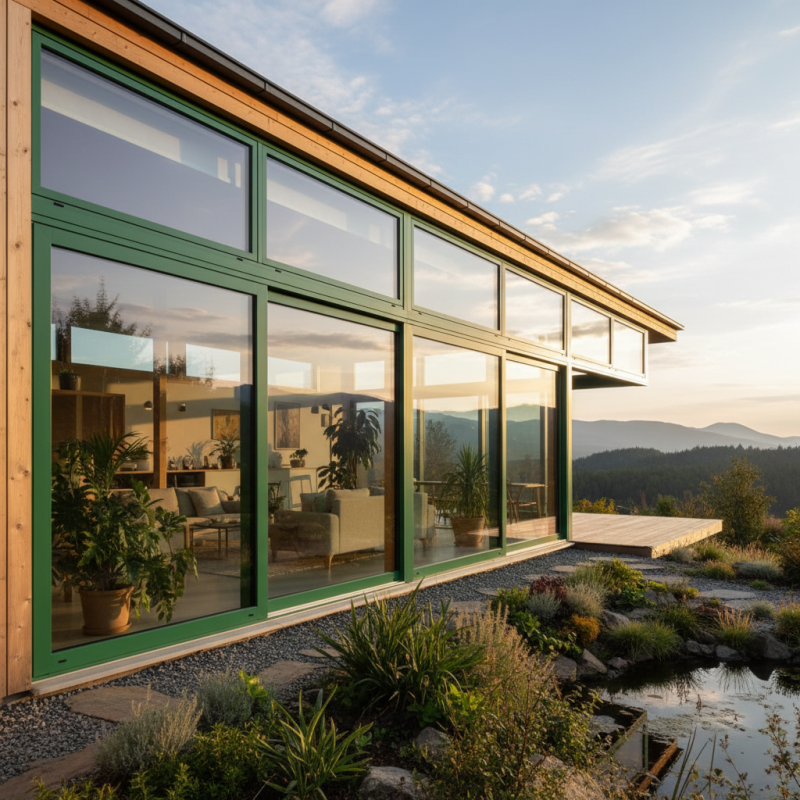
Green sliding windows offer significant energy efficiency benefits. They combine style with functionality, enhancing any space while reducing energy consumption. Made from sustainable materials, these windows can lower heating and cooling costs. Their design promotes better insulation, which is crucial for climate control.
Natural light flows in easily through large panes. This reduces reliance on artificial lighting, saving electricity. However, improper installation may lead to air leaks. Homeowners should consider professional assistance to maximize the benefits. Poorly sealed windows can negate energy savings, leading to frustration.
Another important aspect is the choice of glazing. Double or triple-glazed windows provide superior insulation. They help maintain consistent indoor temperatures. Yet, choosing the wrong type of glass could lead to increased heat gain in summer. It’s essential to evaluate your climate and needs before making a decision.
Design Considerations for Green Sliding Windows
When considering green sliding windows, design plays a crucial role in both aesthetics and energy efficiency. The National Fenestration Rating Council (NFRC) reports that windows account for up to 30% of a home's energy use. Incorporating eco-friendly materials can significantly reduce this percentage. Additionally, proper insulation around these windows is vital. It minimizes heat loss during winter and keeps interior spaces cool in summer.
Natural lighting is another key factor. Large sliding windows can enhance daylighting without sacrificing energy efficiency. A study from the International Energy Agency (IEA) found that maximizing natural light can reduce reliance on artificial lighting by 30%. However, the design must account for solar heat gain. Utilizing window films or special coatings can further optimize this balance.
The aesthetic aspect should not be neglected. Choosing frames in earth tones or deep greens can connect interiors with nature, fulfilling a modern design ethos. Yet, the environmental impact of materials deserves attention. Not every eco-friendly product on the market meets the expected durability or performance standards. It's essential to evaluate options critically, as not all "green" solutions lead to energy savings. Hence, careful consideration of both the ecological and functional aspects in design is necessary for achieving true green sliding windows.
Materials and Technologies for Sustainable Sliding Windows
Sustainable sliding windows play a crucial role in energy efficiency. Various materials contribute to this goal. For example, fiberglass is durable and stable. It resists warping and provides excellent insulation. Aluminum can be a choice, too, but its thermal performance may lack compared to others. It’s essential to ponder whether its sleek look is worth the energy cost.
Wood is a traditional yet sustainable option. It brings warmth and aesthetic appeal. However, wood requires maintenance and can be susceptible to rot. To counter this, consider treated wood or composite materials. These alternatives offer strength and resilience without sacrificing style. Exploring these materials leads to puzzled choices about durability versus environmental impact.
Incorporating advanced technologies, such as low-E coatings, further enhances energy efficiency. These coatings reflect heat, maintaining consistent indoor temperatures. Some might wonder if these technologies are worth the investment. Balancing upfront costs with long-term energy savings is challenging. Integrating smart design with sustainable materials creates windows that are not only beautiful but also functional and eco-friendly.
Green Sliding Window Tips for Energy Efficiency and Design Ideas
| Tip | Material | Energy Efficiency Rating | Design Idea |
| Choose Low-E Glass | Low-E Coated Glass | U-value: 0.20 | Minimalist Frame Design |
| Use Thermal Breaks | Aluminum with Thermal Break | Thermal Conductivity: 0.15 | Bold Color Accent |
| Incorporate Smart Technology | Smart Glass | Dynamic U-value | Futuristic Styling |
| Opt for Recycled Materials | Recycled Aluminum | U-value: 0.25 | Rustic Aesthetic |
| Enhance Sealing | Vinyl Frames | Air Leakage: 0.4cfm | Contemporary Look |
Installation Tips for Optimal Performance and Energy Savings
Installing green sliding windows can enhance energy efficiency significantly. Reports suggest that replacing old windows can cut energy costs by up to 25%. This change reduces heating and cooling demands. Many homeowners overlook the importance of proper installation, leading to air leaks and thermal bridging.
Ensure that the windows are aligned correctly. A misaligned window can lead to gaps, allowing drafts. Sealing all edges with high-quality weatherstripping is crucial. Research indicates that homes with well-sealed windows save about 10% more energy. Proper insulation around window frames also plays a vital role.
User feedback shows that many don’t realize the impact of local climate on window choice. For colder regions, triple-pane glass works well. In warmer climates, low-emissivity (low-E) coatings can help. Still, it's vital to acknowledge that not all installations will be perfectly executed. Mistakes can lead to inefficiencies. Regular maintenance checks can identify problems early, ensuring optimal performance and energy savings.
Aesthetic Ideas for Integrating Green Sliding Windows into Home Design
Integrating green sliding windows into home design can enhance both aesthetics and energy efficiency. According to the U.S. Department of Energy, windows account for about 25-30% of residential heating and cooling energy use. This highlights the importance of choosing windows that improve energy performance while adding style. A well-placed sliding window can create a bright, open feel in a room. Large panels can bring the outdoors in, providing stunning views while reducing energy costs.
For a seamless look, consider framing the sliding windows with natural materials like wood. This adds warmth and character to your space. Additionally, using reflective coatings can minimize heat gain while allowing natural light to flow. Keep in mind that not all window designs are appropriate for every home style. Be sure the design aligns with your overall aesthetic.
Tips: Choose double-glazed or low-E glass for optimal energy efficiency. Incorporating vibrant window treatments can also enhance the look while controlling light and heat entry. Remember, balance is key. A bold design may clash with minimalist decor. Consider your home’s character when selecting window styles and placements. Select designs that both stand out and complement your space.
Energy Efficiency of Green Sliding Windows vs. Traditional Windows