


Blog

How to Choose the Best Mist Humidifier for Your Needs?

Choosing the best mist humidifier begins with your room, climate, and daily habits. A dry bedroom may need gentle moisture overnight. A large living room may require stronger output and wider coverage. The right choice is not always the most powerful model.

Dr. Shelly Miller, an indoor-air-quality researcher at the University of Colorado Boulder, says, “There is no one-size-fits-all solution for indoor air quality.” Her point matters here. Humidity affects comfort, breathing, furniture, and microbial growth. A humidifier should support a balanced indoor environment, not create a damp one. Aim for a relative humidity level near 30% to 50%, using a separate hygrometer when possible. The built-in sensor may be convenient, but it is not always perfectly accurate.

Look closely at the mist type. Ultrasonic models are often quiet and suitable for bedrooms. Evaporative units can reduce excessive moisture naturally, although their fan noise may bother light sleepers. Warm-mist models heat water, but hot surfaces require careful placement around children and pets. Tank size also matters. A small tank may need daily refilling. That is not necessarily bad; frequent cleaning becomes easier.

Water quality deserves attention. Hard tap water can leave white mineral dust near an ultrasonic mist humidifier. Distilled or filtered water may reduce this problem. Clean the tank as directed, and never ignore a slippery film. It signals poor maintenance. I once underestimated cleaning time myself. That mistake changed how I judge convenience. The “best” model is the one you will safely maintain, quietly monitor, and realistically use.
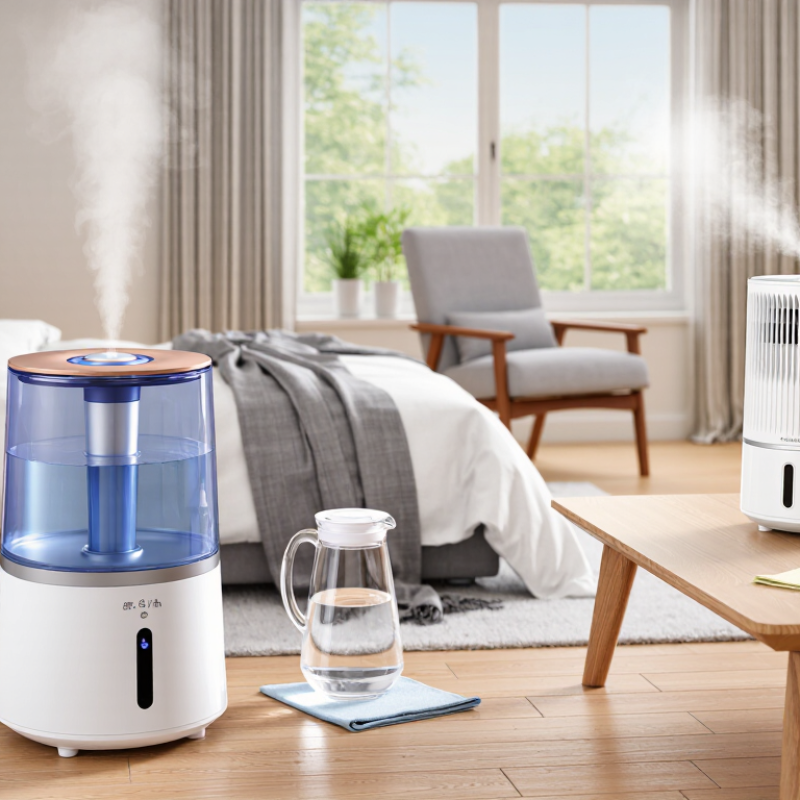
How to Choose the Best Mist Humidifier for Your Needs?

Classify Mist Humidifiers: Ultrasonic, Evaporative, and Steam Models

How to Choose the Best Mist Humidifier for Your Needs?

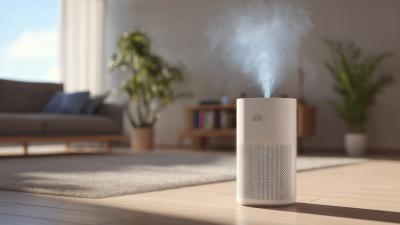
Mist humidifiers differ mainly in how they add moisture. Ultrasonic models use high-frequency vibrations to create a cool, visible mist. They are usually quiet, which suits bedrooms and workspaces. However, hard water may leave fine mineral dust on nearby furniture. Using low-mineral water can reduce this problem.

Evaporative models draw air through a wet wick or filter. Their mist is less visible, but moisture enters the room naturally through airflow. These units often feel safer around children because they do not heat water. They need regular filter replacement and cleaning. I once preferred this type in a large room, but the fan noise became noticeable at night.

Steam models boil water and release warm vapor. Heating can reduce many microbes in the water, but the hot surface and vapor require careful placement. Keep the unit away from children, pets, curtains, and unstable tables. Steam models may also use more electricity than other types. I learned that capacity alone is not enough. A smaller, well-maintained unit can work better than a large, neglected one.

Check the room size, noise level, cleaning access, and humidity controls before buying. A basic hygrometer helps you avoid excessive indoor moisture. Aim for comfortable humidity, not a constantly misty room. Regular maintenance still matters.

Set Indoor Humidity Between 30% and 50%, as the EPA Recommends

How to Choose the Best Mist Humidifier for Your Needs?

The EPA recommends keeping indoor relative humidity between 30% and 50%. This range helps limit excessive dryness, condensation, and moisture-related biological pollutants. A reliable hygrometer matters more than guesswork. Place it near the living area, away from windows and direct mist. Check the reading at different times.

Room size is only one selection factor. Choose a humidifier with adjustable output and automatic shutoff. Ultrasonic models can release minerals from tap water into the air. EPA guidance recommends using low-mineral water and cleaning portable humidifiers regularly. Empty the tank daily. Clean it every third day. That sounds tedious, but neglected water reservoirs can become contamination points.

Do not chase maximum humidity. The U.S. Environmental Protection Agency’s indoor-air guidance warns that excessive moisture supports mold and dust mites. ASHRAE’s indoor environmental guidance also emphasizes moisture control, especially near cold surfaces. I once assumed stronger mist meant better comfort. It did not. Condensation appeared on the window, revealing poor placement and excessive output. Start near 30%, then adjust slowly. If the room feels dry while the meter reads 45%, investigate drafts, heating, or skin irritation before adding more mist. Hereto? No, the meter may be wrong. Replace it if readings seem inconsistent.

How to Choose the Best Mist Humidifier for Your Needs? - Set Indoor Humidity Between 30% and 50%, as the EPA Recommends

Selection Dimension Recommended Data or Range Best Choice or Interpretation Why It Matters
Indoor relative humidity 30%–50% Use a built-in humidistat or a separate hygrometer to monitor the room. The U.S. Environmental Protection Agency recommends keeping indoor humidity between 30% and 50% to help limit excess moisture and mold growth.
Mist technology Ultrasonic, evaporative, or warm-mist Choose ultrasonic for low energy use, evaporative for mineral control, or warm-mist for heated output. Each technology produces humidity differently and has different requirements for cleaning, energy use, and mineral management.
Room coverage Select a model rated for the room’s floor area or slightly larger. Bedroom: compact unit; living area: medium or large-room unit; open-plan space: higher-capacity unit. An undersized unit may not reach the target humidity, while an oversized unit can create excessive moisture if it lacks automatic control.
Humidity control Adjustable humidistat with automatic shutoff Prioritize models that stop or reduce mist when the selected humidity level is reached. Automatic control helps prevent condensation, damp surfaces, and humidity above the recommended range.
Water tank capacity Approximately 1–2 L for personal spaces; 3–6 L for larger rooms Choose a capacity that supports the intended operating period without making cleaning difficult. A larger tank can reduce refilling frequency, but stagnant water still requires regular emptying and cleaning.
Water type Distilled or low-mineral water for ultrasonic models Use distilled water when tap water is hard or when white mineral dust appears. Ultrasonic units can disperse minerals from tap water into the air and leave deposits on nearby surfaces.
Noise level Quiet operation is generally below about 35 dB Look for sleep mode and a low-noise fan if the unit will be used in a bedroom or nursery. Lower operating noise is less disruptive during sleep, study, or work.
Energy use Ultrasonic models usually use less electricity than warm-mist models. Choose ultrasonic or evaporative technology when low energy consumption is a priority. Warm-mist units heat water, which generally requires more electricity than producing cool mist.
Cleaning routine Empty and refill with fresh water daily; clean portable units at least every third day. Choose a model with a wide tank opening, removable parts, and accessible mist channels. Regular maintenance helps reduce the growth and spread of microorganisms inside the humidifier.
Safety features Low-water shutoff, stable base, and cool-touch exterior where appropriate Use extra caution with warm-mist units around children and pets. Heated water and hot surfaces can create burn risks, while automatic shutoff helps prevent operation when the tank is empty.
Placement Place on a waterproof, elevated surface with clearance from walls and electronics. Keep mist away from bedding, furniture, windows, and electrical devices. Proper placement helps prevent condensation, water damage, and damp materials.
Best overall choice A correctly sized unit with humidistat, automatic shutoff, easy cleaning, and appropriate water guidance Select features based on room size, noise tolerance, water hardness, maintenance habits, and safety needs. The most suitable humidifier is the one that maintains 30%–50% relative humidity safely and can be maintained consistently.

Match Mist Output to Room Size Using AHAM Coverage Ratings

Choosing a mist humidifier starts with room size, not tank capacity.

A large tank may run longer, but it does not guarantee adequate humidity. Check the AHAM coverage rating and compare it with your room’s measured square footage. This rating offers a useful performance benchmark under defined testing conditions.

A bedroom measuring 150 square feet needs a different mist output from an open living area measuring 500 square feet. Do not guess. Measure the room, then choose a model rated slightly above that area. Extra capacity helps when doors stay open or heating dries the air. Still, oversized output can create condensation on windows and dampen nearby furniture.

Room conditions matter. High ceilings, poor insulation, and connected hallways can reduce real-world performance. I once relied on the tank size alone, and the air still felt dry. That mistake changed how I compare humidifiers. I now check AHAM coverage, mist output, adjustable settings, and placement together.

Keep the unit away from walls and electronics. Use a hygrometer to monitor humidity, because comfort can be misleading. Around 30% to 50% relative humidity is commonly comfortable, but personal needs and climate differ. Ratings guide the choice; your room provides the final test.

Compare Energy Use, Noise, and Safety Across Humidifier Technologies

How to Choose the Best Mist Humidifier for Your Needs?

Energy use, noise, and safety vary widely between humidifier technologies. Ultrasonic models use a vibrating plate to create a fine mist. They usually consume little electricity and operate quietly, making them suitable for bedrooms. However, tap-water minerals can settle as white dust on nearby furniture. Distilled water reduces this problem, but it adds cost and effort.

Warm-mist humidifiers heat water before releasing vapor. The boiling process uses more energy, yet it can reduce many microorganisms in the output. Their hot surfaces and water require extra caution around children and pets. Evaporative models use a fan and a wet wick. They often need moderate power, produce a gentle hum, and naturally limit excess humidity. The wick needs regular replacement. That detail is easy to forget.

Tips: Check the safety label and choose automatic shutoff protection. Place the unit on a stable, water-resistant surface, away from electronics. Clean the tank frequently, even when the mist looks clear. In a bedroom test, a low-noise ultrasonic unit was comfortable at night, but its mineral residue became noticeable within days. I expected less maintenance. That assumption was wrong. Use a hygrometer to monitor room humidity, because excessive moisture can encourage mold. A practical indoor target is often 30% to 50%, though building conditions differ. Check the manual, especially when using treated or filtered water.

How to Choose the Best Mist Humidifier for Your Needs?

Comparing typical energy use, operating noise, and safety considerations across humidifier technologies

How to read the chart: Ultrasonic humidifiers generally use little electricity and operate quietly, making them suitable for bedrooms. Evaporative models typically consume slightly more power because of their fan, while impeller models can be somewhat louder. Steam vaporizers use substantially more electricity because they heat water to produce vapor.

Safety considerations: Cool-mist devices should use distilled or demineralized water when possible and be cleaned regularly to reduce mineral deposits and microbial growth. Steam vaporizers can cause burns and should be kept away from children. Evaporative and impeller units should also be cleaned according to their maintenance requirements.

Values shown are representative typical operating figures for household units. Actual energy consumption and noise levels vary by model, room conditions, fan speed, and operating mode.

Apply the EPA’s Every-Three-Day Cleaning and Water-Quality Guidance

How to Choose the Best Mist Humidifier for Your Needs?

A suitable mist humidifier should be easy to clean, not merely attractive or powerful. I once chose a model with a narrow tank opening, and removing the slimy residue became frustrating. Now, I check whether my hand can reach the tank, tray, and mist outlet. A simple design is often safer. Look for an automatic shutoff, a suitable room capacity, and a built-in humidity monitor when possible. Excess moisture can encourage mold growth on windows, walls, and fabrics.

The EPA recommends emptying portable humidifier tanks daily and refilling them with fresh water. It also advises cleaning the unit every third day. That schedule sounds demanding, but it prevents mineral deposits and microbial buildup from becoming invisible problems. Unplug the humidifier first. Follow the manufacturer’s cleaning directions, remove scale carefully, and rinse every part thoroughly. Never leave cleaning chemicals inside the tank.

Water quality matters. The EPA recommends using water with low mineral content, such as distilled water, when appropriate. Hard tap water can create white dust around furniture and may increase deposits inside the appliance. I still need to remember that “distilled” does not mean “maintenance-free.” The tank requires attention. I sometimes skip one cleaning when life gets busy, and that is exactly when the schedule becomes important. Check the manual before adding anything to the water, including oils or disinfectants. A humidifier should make breathing spaces more comfortable, not create another source of irritation.