Why is Modular Construction the Future of Building?
Modular Construction is reshaping the future of the building industry. Recent reports show that the global modular construction market is projected to reach $157 billion by 2024. This surge reflects a growing recognition of its advantages. Industry expert, Dr. Susan Miller, highlights this shift: “Modular Construction offers speed and efficiency that traditional methods struggle to achieve.”
Comparing timelines, modular projects can be completed 30-50% faster than conventional builds. This rapid turnaround meets the increasing demand for housing and infrastructure. Moreover, it reduces construction waste by up to 60%, addressing environmental concerns. Yet, not all modular projects meet the expected standards. Quality control remains a critical challenge.
In a landscape plagued by labor shortages and project delays, Modular Construction stands as a solution. The innovative nature of this approach cannot be overlooked. However, it requires careful execution to truly realize its potential. The journey toward widespread adoption is not without obstacles. Those in the industry must navigate these complexities while striving for a sustainable future.
The Definition and Principles of Modular Construction
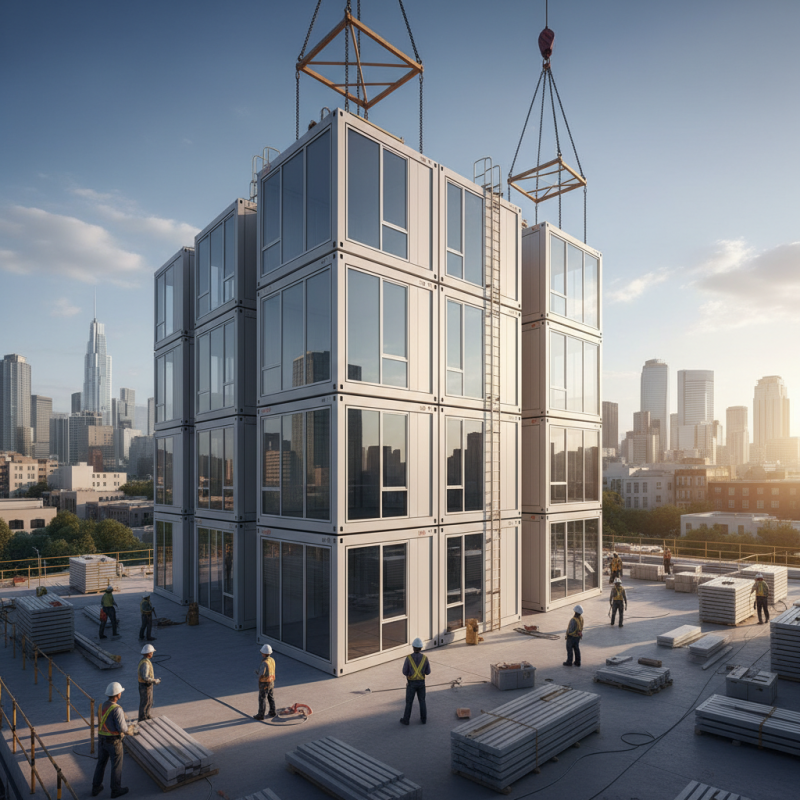
Modular construction is transforming the building landscape. This method involves prefabricating sections of a structure, known as modules, off-site. These modules are then transported to the construction site for assembly. This approach allows for greater efficiency and speed, reducing the overall project timeline significantly.
The core principles of modular construction include standardization, flexibility, and sustainability. Each module is built to specific standards, ensuring quality and reducing waste. They can be combined in various configurations, offering design versatility. One notable aspect is the potential for renewable energy integration. However, the reliance on accurate delivery and assembly can be a challenge, sometimes leading to delays. It is essential to maintain communication among all stakeholders to address any issues that arise during installation.
While modular construction promises many benefits, it is not without its drawbacks. Local building codes and site conditions can complicate projects. Additionally, the perception of modular buildings as inferior may persist. Builders and architects must work to enhance public understanding. This evolving field presents opportunities and challenges, calling for ongoing reflection and adaptation.
Advantages of Modular Construction Over Traditional Construction
Advantages of Modular Construction Over Traditional Building Methods
Modular construction is transforming the building industry. It offers several advantages compared to traditional methods. For one, it significantly reduces construction time. Modules can be built off-site while site preparation occurs simultaneously. This parallel process shortens the overall timeline, leading to quicker project completion.
Additionally, modular construction enhances efficiency and reduces waste. Factories can optimize their workflows better than on-site construction teams. Materials can be reused and recycling processes are more straightforward in a factory setting. However, some still question whether prefabricated components meet the same standards as traditional structures. There’s a balancing act between speed and quality.
Cost savings is another key benefit. With reduced labor hours and less site disruption, projects often come in under budget. Yet, potential hidden costs arise in transport and assembly of modular units. While modular construction has clear advantages, careful planning and execution are crucial for success in this evolving field.
Why is Modular Construction the Future of Building? - Advantages of Modular Construction Over Traditional Building Methods
| Dimension | Modular Construction | Traditional Construction |
| Construction Time | 40% Faster | Standard Timeline |
| Waste Generation | Less than 5% | Up to 15% |
| Cost Efficiency | 15-20% Savings | Standard Costs |
| Quality Control | High Standards in Factory | Varies On-Site |
| Design Flexibility | Highly Customizable | Limited by Construction Methods |
| Environmental Impact | Lower Carbon Footprint | Higher Carbon Footprint |
Key Technologies Driving Modular Construction Forward
Modular construction is gaining traction due to several key technologies that enhance efficiency and reduce costs. Recent reports indicate that the modular construction market is projected to grow at a CAGR of 6.5% from 2021 to 2028. This growth is driven by prefabrication and 3D printing technologies, which streamline the building process significantly.
Prefabrication allows components to be manufactured off-site. This technique reduces material waste by up to 30%. Moreover, it accelerates project timelines. Studies show projects utilizing modular techniques can be completed 20-50% faster than traditional methods. The integration of advanced software for design and project management also plays a crucial role. Digital tools improve collaboration and reduce errors during construction phases.
3D printing in construction offers new possibilities. It allows for the creation of complex designs with reduced labor costs. However, challenges remain. Issues like material durability and regulation compliance are critical. Despite these hurdles, the future of modular construction looks promising. Efforts to address these concerns are ongoing, ensuring that modular approaches continue to evolve and meet industry standards.
Challenges and Limitations of Modular Construction
Modular construction is gaining attention for its efficiency and innovation. However, it faces several challenges that cannot be ignored. One prominent issue is the perception of quality. Many consumers believe modular homes lack the durability of traditionally built structures. According to a report by McKinsey, around 70% of builders still prefer conventional construction methods due to these concerns.
Another challenge pertains to logistics. The transportation of modular units can be complex. Each piece must be carefully designed to withstand the rigors of transport. Delays in transit can lead to project setbacks and increased costs. A study from the National Institute of Building Sciences noted that construction timelines are often longer for modular projects due to these logistical hurdles.
Lastly, local building codes and regulations can create obstacles. Many municipalities lack clear guidelines for modular construction. This can result in lengthy approval processes and added costs. Statistics show that around 60% of modular projects face delays due to permitting issues. Addressing these limitations will be crucial for the industry’s growth.
Future Trends and Innovations in Modular Building Solutions
Modular construction is poised to transform the building industry. This approach emphasizes efficiency and speed in construction. Innovations in modular design now allow for customization and sustainability. Prefabricated components reduce waste, making projects more environmentally friendly. Advanced manufacturing techniques enhance the quality of modules, ensuring durability and aesthetic appeal.
As technology evolves, modular construction is integrating smart building solutions. IoT devices monitor energy use and maintenance needs. This increased connectivity enhances the functionality of modular buildings. However, challenges remain. The initial cost of modular projects can sometimes deter investors. Moreover, site preparation and logistics still require careful planning. Addressing these issues will be essential for widespread adoption.
The future of modular construction also includes eco-friendly materials. Biodegradable options are gaining traction, further reducing environmental impact. Collaborations between architects and engineers are becoming essential. Innovative designs push the boundaries of what modular buildings can achieve. Despite these advancements, the industry must remain adaptable to changing regulations and market demands. Continuing to embrace flexibility will be key to truly harnessing the potential of modular solutions.