Why Do You Need an Air Purifier for Home Use?
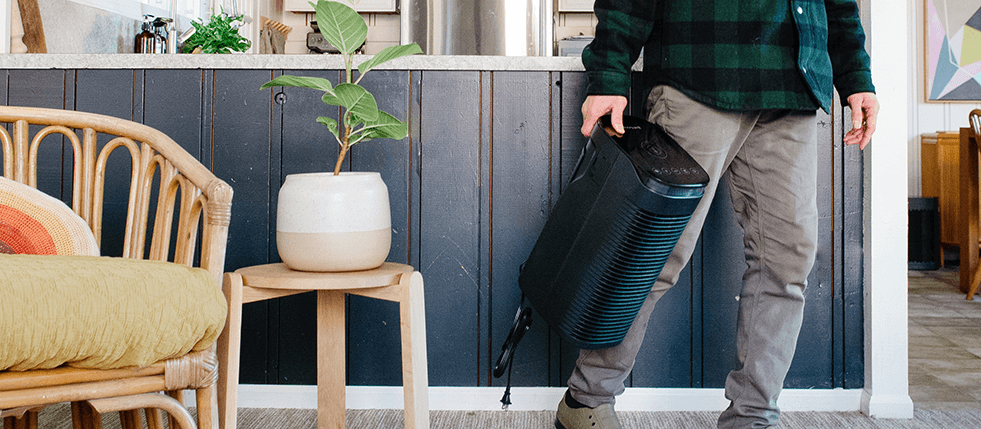
Living in a clean environment is vital for our health. An air purifier for home use plays a crucial role in this aspect. It helps eliminate harmful particles and allergens from the air. Dust, pollen, and pet dander can significantly impact our well-being. Many people do not realize the extent of air pollution in their homes.
Indoor air can be even more polluted than outdoor air. Factors like cooking, cleaning, and humidity contribute to this issue. Investing in an air purifier for home can make a noticeable difference. It provides cleaner air, promoting better sleep and improved concentration. This technology is becoming increasingly essential, especially in urban areas.
However, not all air purifiers are the same. Choosing the right one requires research and understanding. Some models may not effectively filter out specific pollutants. Consider factors like filter type and coverage area. Reflecting on personal needs can lead to better choices. An air purifier for home use can be a game-changer when selected wisely.
Understanding Indoor Air Pollution: Sources and Health Impacts
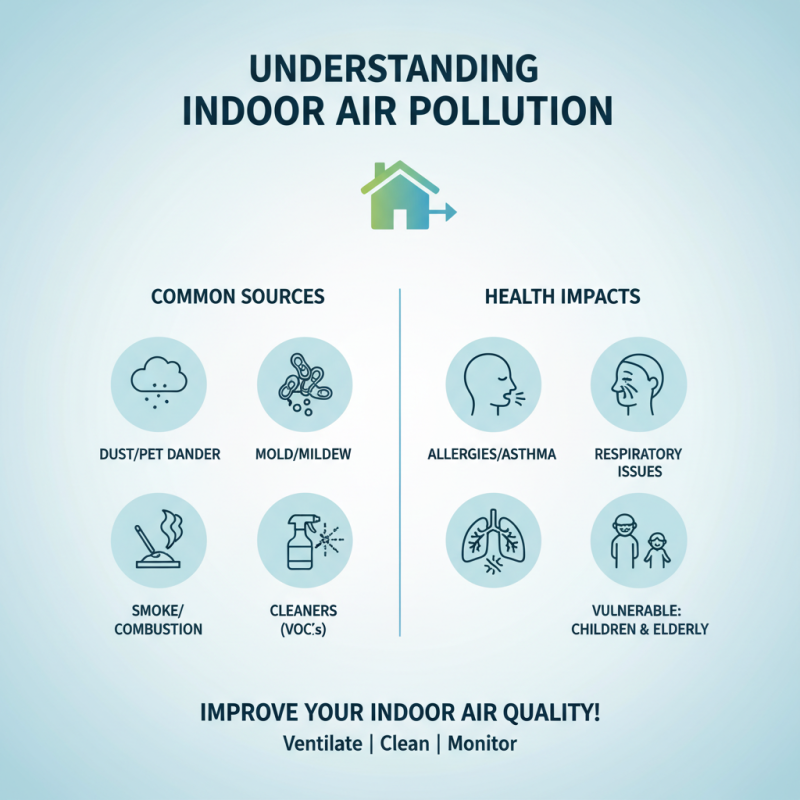
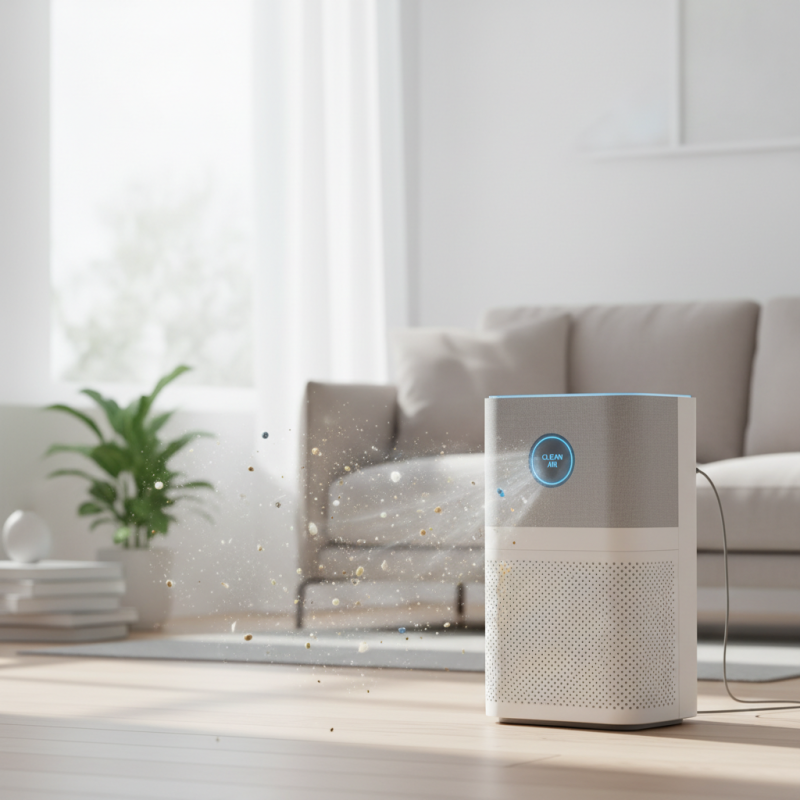
Indoor air pollution is a significant concern. Common sources include dust, pet dander, mold, and volatile organic compounds (VOCs) from household cleaners. These pollutants may lead to health issues like allergies, asthma, and respiratory problems. Children and the elderly are particularly vulnerable to these effects.
To improve indoor air quality, consider the following tips: regularly vacuum carpets and upholstery to minimize dust, use natural cleaners to reduce VOCs, and ensure proper ventilation when using household products. Also, monitor humidity levels to prevent mold growth. Simple changes can enhance your living environment.
Many people underestimate the importance of air quality. It’s easy to overlook how air conditioning can stir up allergens. Even open windows can introduce outdoor pollution. Recognizing the sources of indoor pollution is the first step towards a healthier home. By evaluating what contaminates your space, you can make more informed decisions about using an air purifier effectively.
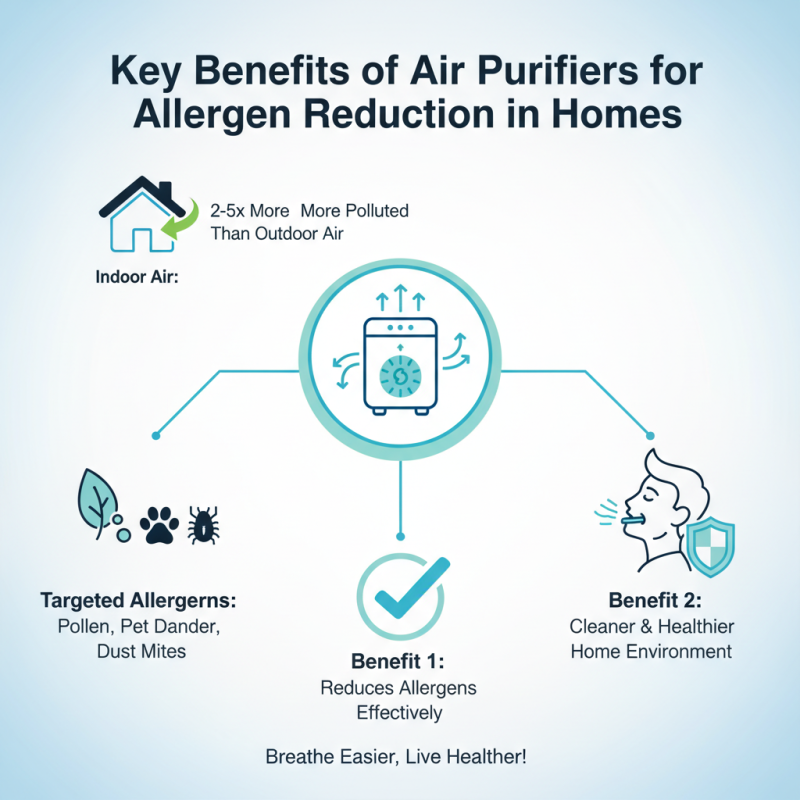
Key Benefits of Air Purifiers for Allergen Reduction in Homes
Indoor air quality is a growing concern for many households. Research indicates that indoor air can be two to five times more polluted than outdoor air. One significant contributor to this problem is allergens like pollen, pet dander, and dust mites. Air purifiers can effectively reduce these allergens, offering a cleaner and healthier environment.
Studies show that HEPA filters remove up to 99.97% of airborne particles as small as 0.3 microns. This includes a wide range of allergens that can trigger respiratory issues. For instance, according to the Environmental Protection Agency (EPA), about 50 million Americans suffer from allergies. An air purifier is not just a luxury; it can be crucial for those constantly battling these conditions.
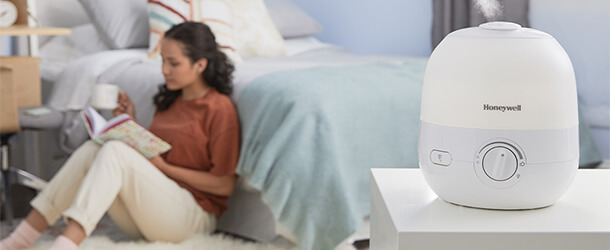
Moreover, black mold spores can thrive in humid environments. Air purifiers equipped with UV light technology can also tackle mold spores effectively. It's important to recognize, however, that while air purifiers help, they are not a standalone solution. Regular cleaning and ventilation are equally essential to improve air quality. Despite the benefits, not everyone may notice immediate improvements, and some may require time to evaluate the effectiveness of their devices.
The Role of HEPA Filters in Enhancing Indoor Air Quality
Indoor air quality significantly impacts health and well-being. According to the EPA, indoor air can be up to five times more polluted than outdoor air. This pollution often comes from dust, allergens, and volatile organic compounds. HEPA filters play a crucial role in mitigating these issues. They can capture 99.97% of particles as small as 0.3 microns. This includes mold spores, pet dander, and even certain bacteria.
The presence of HEPA filters provides a reliable solution for improving indoor air. They filter out harmful pollutants, leading to a healthier living environment. A study by the American Lung Association showed that households using HEPA filters reported fewer allergy symptoms and respiratory problems. This shows the effectiveness of these filters in enhancing indoor air quality.
Despite their benefits, relying solely on HEPA filters is not enough. Regular maintenance and proper placement of air purifiers are essential. Neglecting these aspects can lead to reduced effectiveness over time. Users should regularly check filter status to ensure optimal performance. Being aware of these factors can lead to a more informed and healthier choice in air purification.
Indoor Air Quality Improvement with HEPA Filters
HEPA filters significantly reduce common indoor pollutants, enhancing your home's air quality. The chart above shows the effectiveness of HEPA filters in capturing various particles, contributing to a healthier indoor environment.
Evaluating Air Purifier Efficiency: CADR and ACH Metrics Explained
Air purifiers play a crucial role in enhancing indoor air quality. Evaluating their efficiency involves understanding two key metrics: Clean Air Delivery Rate (CADR) and Air Changes per Hour (ACH). CADR measures how quickly an air purifier can clean the air in a specified space. A higher CADR rating means more effective cleaning. For instance, an air purifier with a CADR of 300 can filter 300 cubic feet of air per minute. This metric is essential for users, as it gauges the purifier's effectiveness against specific pollutants like dust, smoke, and pollen.
ACH indicates how many times an air purifier can completely exchange the air in a room within an hour. An ACH of 5 means the air in the room is cycled through the purifier five times in one hour. Studies suggest that a higher ACH is vital for reducing airborne pathogens, particularly in smaller spaces. A manufacturer-reported ACH of 8 or more is commonly recommended for optimal health benefits. However, room size and airflow dynamics can impact these ratings. People may assume their purifier's claims are automatically accurate, but real-world effectiveness can vary widely. Regular maintenance is necessary to ensure optimal performance, as filter clogs can hinder air quality improvement.
Considerations for Choosing the Right Air Purifier for Your Needs
Choosing the right air purifier can be overwhelming. There are various factors to consider, such as room size and filter type. A study by the American Society of Heating, Refrigerating and Air-Conditioning Engineers emphasizes that air purifiers can reduce indoor pollutants by over 50%. This statistic highlights their importance in enhancing indoor air quality.
Consider the type of filter. HEPA filters can capture up to 99.97% of particles that are 0.3 microns in diameter. This includes dust mites, pollen, and pet dander. If allergies are a concern, a model with a HEPA filter could be ideal. However, these filters require regular maintenance and replacement, adding to long-term costs.
Noise levels are another aspect to keep in mind. Some models operate quietly, while others may be disruptive. According to the Environmental Protection Agency, sound levels of 30-50 decibels are considered acceptable for sleeping areas. Explore options that balance noise and efficiency. Doing ample research can lead to an informed decision, while reflecting on specific needs is crucial for your well-being.