What is a Room Air Purifier and How Does It Work?
In today's world, clean air is essential for a healthy life. Room air purifiers have become key players in this fight against indoor air pollution. Dr. Emily Carter, a leading expert in environmental health, states, "Room air purifiers can significantly reduce airborne contaminants." This highlights their importance in our homes.
These devices work by filtering out pollutants, allergens, and odors from the air, providing a cleaner living environment. Many people underestimate the impact of air quality on their health. As we spend around 90% of our time indoors, it’s shocking how often we overlook the air we breathe. Investing in a room air purifier can be a game changer for individuals suffering from allergies or respiratory issues.
However, not all purifiers are created equal. It is crucial to choose one based on specific needs and room size. While many consumers rely on product advertisements, understanding the technology behind these devices is vital. Addressing these factors can lead to a healthier home and a more informed approach to air quality management.
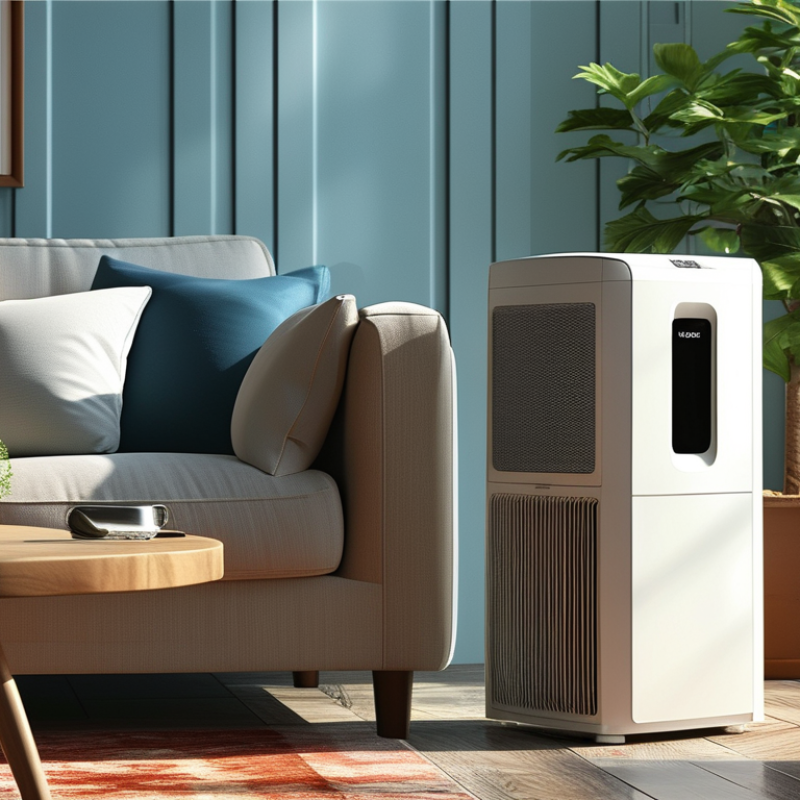
What is a Room Air Purifier?
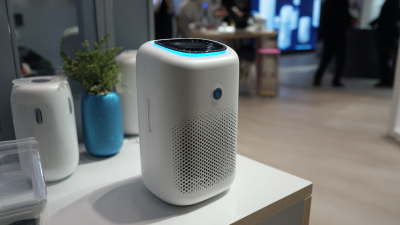
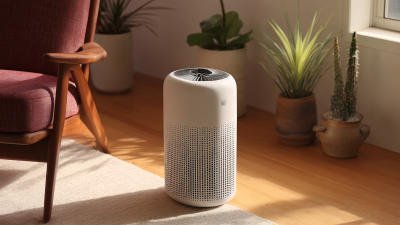
A room air purifier is a device designed to improve indoor air quality. It removes contaminants, allergens, and pollutants from the air we breathe. These devices use various technologies such as HEPA filters, activated carbon, and ionizers. By trapping particles, they reduce the presence of allergens like dust, pollen, and pet dander.
Many people underestimate the importance of clean air. Airborne particles can cause health issues, especially for those with respiratory conditions. A room air purifier can be particularly beneficial in urban areas or homes with pets. However, not all purifiers are effective for every situation. Their effectiveness relies on factors like room size and filter maintenance. Adapting to individual needs requires careful consideration.
Choosing the right purifier demands some research. Users may find it challenging to weigh options and confirm manufacturer claims. It is also crucial to replace filters as recommended. Otherwise, air quality might deteriorate. People often overlook these details, focusing on immediate benefits instead. Ensuring reliability and efficiency is essential for long-term use.
Main Components of Room Air Purifiers
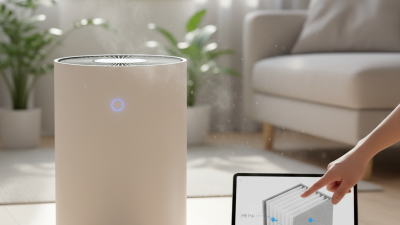
Room air purifiers are essential for improving indoor air quality. Understanding their main components can help you choose the right one. A typical unit includes a pre-filter, a HEPA filter, and an activated carbon filter. Each part plays a specific role in the purification process.
The pre-filter captures larger particles, like dust and pet hair. This prolongs the life of the HEPA filter, which is crucial for trapping smaller particles, such as pollen and smoke. An effective HEPA filter can capture 99.97% of particles that are 0.3 microns in size. Meanwhile, the activated carbon filter absorbs odors and volatile organic compounds, ensuring a fresh environment.
While these components work well, their effectiveness varies with maintenance and usage. Filters need regular replacement; otherwise, airborne pollutants can accumulate. Some users overlook this crucial aspect. It’s essential to read the manufacturer’s recommendations for filter changes. Not all air purifiers are created equal, and understanding their components leads to more informed decisions.
How Room Air Purifiers Work: Filtration Process Explained
Room air purifiers are essential devices for maintaining clean air indoors. They utilize various filtration processes to remove pollutants from the air. Common pollutants include dust, pollen, smoke, and volatile organic compounds (VOCs). These contaminants can lead to health issues, especially for those with allergies or respiratory conditions.
The filtration process often begins with a pre-filter. This filter captures larger particles like dust and hair. Next, the HEPA filter catches smaller particles, often down to 0.3 microns in size. Some purifiers also include activated carbon filters. These help eliminate odors and harmful gases. The air purification process is not perfect; some particles may still slip through the filters. Regular maintenance is crucial. Users need to replace filters as recommended to ensure optimal performance. Without this, efficiency can drop significantly.
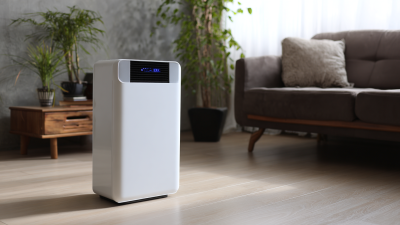
While room air purifiers can significantly improve indoor air quality, results can vary based on the room size and purifier capacity. It's essential to evaluate your space and choose a model that fits your needs. Noise levels can also be a concern; some models operate quietly while others produce noticeable sounds. Reflecting on your unique situation will help determine the best choice for a healthier environment.
Benefits of Using a Room Air Purifier
Air quality is a crucial aspect of health. Room air purifiers can significantly enhance indoor air quality. According to the World Health Organization, 91% of the global population lives in areas that exceed safe air pollution levels. This alarming statistic highlights the need for effective air purification solutions. Air purifiers can filter out allergens, dust, smoke, and other harmful particles, thus creating a healthier living environment.
One major benefit of using a room air purifier is the reduction of allergens. A study by the American College of Allergy, Asthma, and Immunology found that over 50 million Americans suffer from allergies. By eliminating pollen and pet dander, air purifiers reduce triggers for allergy sufferers. This can lead to improved sleep quality and overall well-being. Additionally, air purifiers can help remove volatile organic compounds (VOCs) commonly found in household products, making indoor spaces safer.
Consider choosing a model with a HEPA filter for effective particle capture. Regular maintenance is essential to ensure optimal performance. Clean filters improve efficiency and enhance air quality. Monitoring indoor humidity can also maximize the benefits of air purifiers, as dry air can aggravate respiratory issues. Be mindful of the positioning of your purifier; placing it in a central location can optimize airflow and effectiveness.
Maintenance Tips for Room Air Purifiers
Maintaining a room air purifier is crucial for optimal performance. Regular upkeep ensures that the device works efficiently. A clean air purifier can significantly improve indoor air quality. It's important to check and replace filters according to the manufacturer's recommendations. Dirty filters can reduce airflow and allow pollutants to escape back into the air.
Cleaning the unit itself is also essential. Wipe down the exterior with a soft cloth to remove dust and grime. Ensure that the air intakes and exhausts are unobstructed. A clear pathway allows for better air circulation. Sometimes, a simple routine can greatly enhance the effectiveness of your purifier.
Consider setting a reminder for maintenance tasks. Not everyone thinks about their air purifier as often as they should. Taking a few moments to assess its condition each month can make a significant difference. Check for any unusual noises or signs of wear. If you notice anything concerning, don’t hesitate to troubleshoot or seek professional advice. Proper maintenance is a proactive step toward a healthier living environment.
What is a Room Air Purifier and How Does It Work? - Maintenance Tips for Room Air Purifiers
| Feature |
Description |
Maintenance Tips |
| Filtration System |
Most room air purifiers use HEPA filters to trap particles and allergens. |
Change HEPA filters every 6-12 months based on usage. |
| Air Quality Sensors |
Some models have sensors that detect air quality levels and adjust the purifier's output. |
Regularly check sensor functionality to ensure accurate readings. |
| Noise Levels |
Different models operate at various noise levels, affecting their suitability for bedrooms or offices. |
Position the purifier away from sleeping areas if noise is a concern. |
| Size and Coverage |
Purifiers come in various sizes, rated for specific square footage. |
Choose a model that fits the size of the room for optimal performance. |
| Energy Efficiency |
Energy Star-rated models use less electricity, saving money over time while cleaning air. |
Look for energy-efficient models to lower operational costs. |