




Blog
Top Nicotine Pouches Promotional Display Options?
Nicotine pouches promotional display is becoming a practical retail question as the category expands. Displays must attract attention without encouraging youth interest or making unsupported health claims.
Grand View Research estimated the global nicotine pouches market at USD 3.42 billion in 2023. Its report projects a 31.1% compound annual growth rate from 2024 to 2030. Market growth alone does not prove responsible merchandising. It does, however, explain why retailers are testing counter units, locked cabinets, shelf strips, and compact illuminated fixtures.
The details matter. A compliant display should use clear adult-only messaging, restrained colors, readable product information, and controlled placement near staffed checkout areas. It should not resemble candy packaging. It should not imply that nicotine pouches are harmless.
The warning is important.
Brian King, Director of the FDA’s Center for Tobacco Products, has emphasized, “There is no safe tobacco product.” This principle should guide every promotional display decision, even where local regulations permit sales. The World Health Organization also continues to stress that nicotine is addictive and that young people require strong protection from exposure and marketing.
A strong display supports informed adult choice. It does not hide risks behind polished design.
Retail experience suggests that visibility can improve product navigation, but evidence on the long-term promotional effects remains limited. That uncertainty deserves attention. Some displays may look efficient while creating compliance weaknesses, especially through oversized branding or poor age-gating.
This guide examines practical promotional display options, design constraints, placement strategies, and measurement methods. It focuses on responsible retail execution, verifiable information, and continual review against changing regulations.
What Defines a Nicotine Pouch Promotional Display?
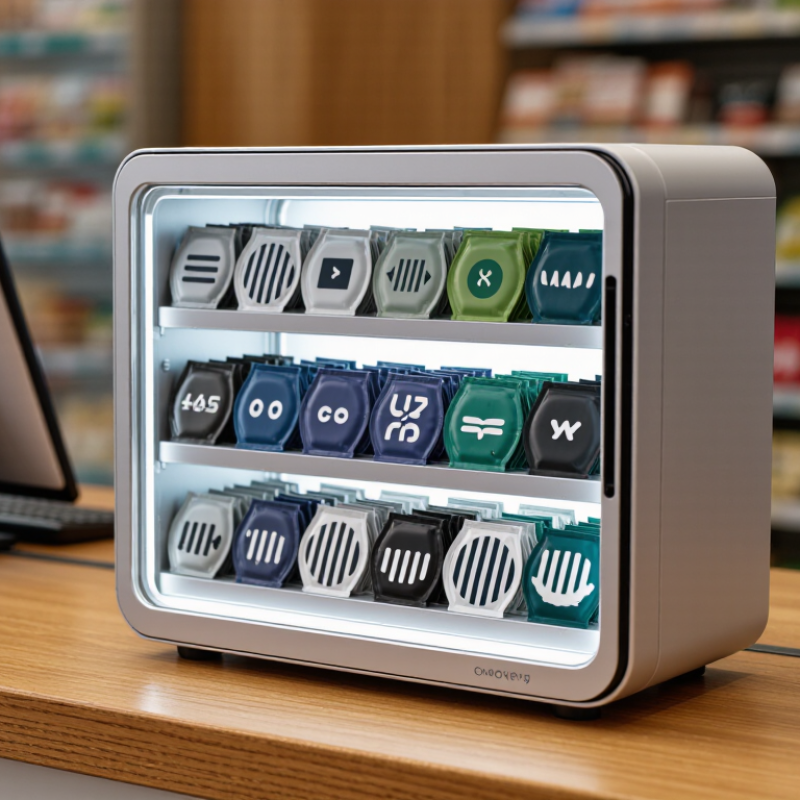
A nicotine pouch promotional display is a retail fixture designed to present products clearly at the point of sale. It may be a countertop tray, a shelf unit, or a locked cabinet with organized product slots. Its defining features are visibility, easy-to-read product information, and a layout that helps adult shoppers compare options without confusion. It should also support responsible retailing, including clear age-related notices and placement consistent with local requirements. Good design is more than bright graphics.
Shop! Association’s 2012 Shopper Engagement Study, conducted by the former POPAI organization, reported that 76% of purchase decisions were made in-store. That figure is often cited in retail merchandising, though it describes shopping broadly, not nicotine pouches specifically. It suggests why display details matter: legible labels, orderly facings, and uncluttered pricing can help shoppers find information at a glance.
A small display beside the counter may work better than a tall unit that blocks sightlines. Not always.
A useful display is durable, stable, and simple for staff to restock. It should keep packages upright, make product information visible, and avoid implying health benefits or guaranteed effects.
Retail teams can assess performance through stock checks and shopper questions, rather than assuming that more graphics mean more engagement. Some layouts still feel crowded. That is worth reconsidering.
Common Display Formats in Retail Environments
Top Nicotine Pouches Promotional Display Options?
Common Display Formats in Retail Environments
In age-restricted retail settings, display format affects visibility, access, and staff oversight. Countertop units suit compact service areas. They keep products near the checkout, but can crowd the till. Shelf trays work better when several varieties need clear separation. A locked cabinet offers more control, though customers may need staff assistance. Choose formats that fit store policy and local requirements.
Shop! Association’s 2023 research on in-store marketing emphasizes visibility and shopper engagement as important elements of retail displays. POPAI’s 2014 Shopper Engagement Study also reported that 76% of purchase decisions were made in-store across product categories. These figures are not specific to nicotine pouches, so treat them as broad retail context, not a sales forecast. A tidy shelf with readable labels may be more useful than a large, cluttered unit.
Tips: Keep displays within staff sightlines. Use clear price labels, avoid obstructing walkways, and check stock and presentation during routine store rounds. Small details matter. A display can look neat in the morning and uneven by midday.
How Display Options Differ in Capacity and Visibility
Nicotine pouch displays vary in capacity, footprint, and how clearly shoppers can view each package. A compact countertop unit may hold a limited selection while keeping labels close to eye level. It suits a small service counter, but crowded rows can hide product details. Small spaces matter.
A taller floor display can accommodate more packages and separate varieties into visible rows. Its position affects sightlines: place it where staff can monitor it and customers can read labels without blocking an aisle. More capacity is not always better. Deep shelves may leave products behind the front row, while bright lighting can create glare on glossy packaging. Test the display from several steps away.
For a practical comparison, count usable facings, measure the available counter or floor area, and check how easily staff can restock each slot. Keep required product information legible, and follow local rules for age-restricted retail and placement. These details deserve attention. Real store conditions can expose flaws that a product photo misses.
Age Restrictions and Rules for Product Placement
Top Nicotine Pouches Promotional Display Options?
Nicotine pouch displays require careful control because nicotine products are intended for adults only. Where local law permits their sale, retailers should verify the minimum purchase age before planning any promotion. A clean countertop unit can work, but it should stay behind the sales counter or inside a monitored adult-only area. It should never sit near candy, toys, school supplies, or youth-focused products.
Placement rules vary by jurisdiction. Some areas restrict window advertising, outdoor signs, digital promotions, or displays visible from schools and playgrounds. Retailers should check current regulations, licensing conditions, and required health notices before installation.
Plain product information is safer than bright youth-oriented graphics. Avoid cartoon imagery, playful language, unsupported health claims, and messages that suggest nicotine is harmless.
Clear age warnings should be easy to read at normal viewing distance.
Staff training matters as much as the display itself. Employees should request valid identification when required and know when a sale must be refused. A locked cabinet may reduce unauthorized access, although it can slow service. That trade-off deserves review. Store managers can photograph the display during routine checks, record staff training, and remove materials that become outdated. A display may look compliant yet fail because its sign is too small or its location is poorly supervised. Local legal advice remains important, since rules can change faster than printed materials.
How Retailers Can Assess Display Suitability
Top Nicotine Pouches Promotional Display Options?
Retailers should assess display suitability before choosing a promotional unit. A counter tray may support quick product comparison, while a locked cabinet can improve control and compliance. Wall-mounted shelving works better in larger stores with clear customer flow. The best option depends on store size, staff routines, local regulations, and age-verification requirements. Visibility matters, but unrestricted access may create avoidable risks.
A practical assessment should examine sightlines, lighting, security, and cleaning needs. Packaging should remain easy to read without using exaggerated claims or attracting underage shoppers. Measure the display area first. Check whether staff can restock it without blocking the checkout. A display that looks excellent in a showroom may fail during a busy evening. That is worth considering.
Tips: Place displays near trained staff, not near children’s products. Use clear age-restriction notices where required. Keep stock counts simple. Review sales, customer questions, and compliance issues every few weeks. Small adjustments often work better than a complete redesign. Still, retailers should avoid assuming that higher visibility always means better suitability.


