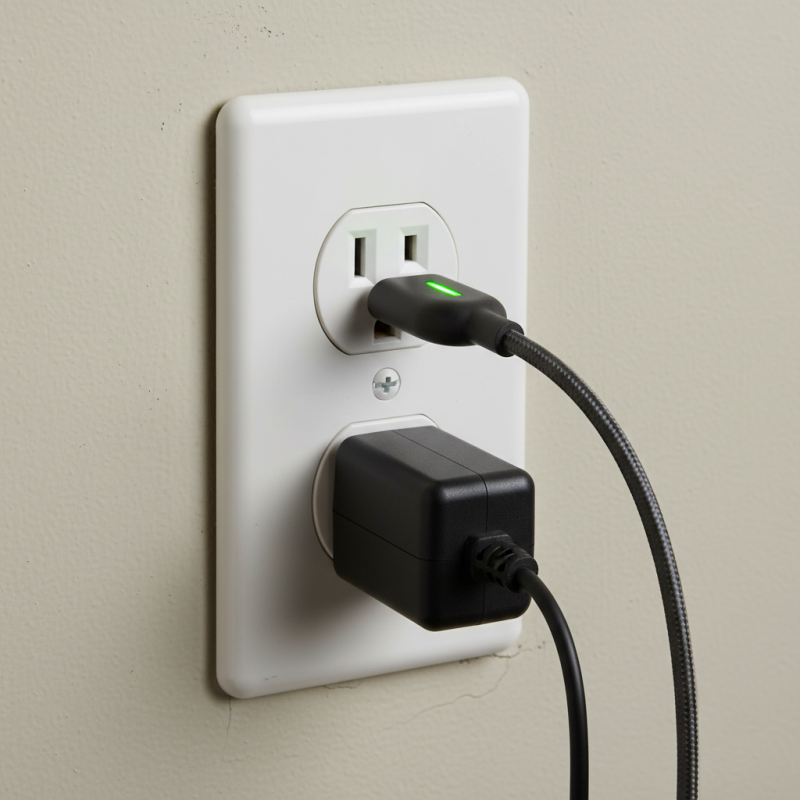
What is a Wall Outlet and How Does It Work?
A Wall Outlet is a crucial component of our daily electrical systems. It serves as the gateway for powering our devices. Experts like John Smith, an electrical engineer with over 15 years of experience, emphasize its importance: "A wall outlet is often taken for granted, yet it plays a vital role in our lives."
Understanding how a wall outlet functions can demystify its complexities. A wall outlet converts electrical energy from the main power supply into a usable form for our appliances. You might think about how often you plug in your phone or laptop. This connection is reliable but not infallible. Many people overlook potential hazards, like faulty wiring or improper installations.
As beneficial as they are, wall outlets are not without issues. Users should regularly check for wear and tear. Ignoring signs of damage can lead to serious accidents. By educating ourselves on what a wall outlet is and how it works, we can ensure safer usage and prevent mishaps.
What is a Wall Outlet?
A wall outlet is a crucial component of modern electrical systems. It provides a point for plugging in devices and appliances, converting electrical energy from the home’s wiring into usable power. Most outlets have two vertical slots and a round hole for grounding. These features ensure safety by preventing shock and short circuits. Without a proper understanding of outlets, one might overlook safety risks.
In daily life, we often take outlets for granted. However, they come with challenges. Overloading an outlet can lead to overheating. That’s a real concern, especially in homes with many devices. Additionally, older outlets may lack grounding, posing safety hazards. Visual inspection of outlets can reveal signs of wear. Discoloration or a burning smell should prompt immediate action.
Understanding how a wall outlet functions enhances awareness. Knowing the structure helps prevent accidents. Replacing faulty outlets can improve electrical efficiency. Yet, caution is vital. Attempting repairs without knowledge can worsen problems. Being informed about outlets leads to safer homes, allowing us to use electricity effectively and responsibly.
What is a Wall Outlet and How Does It Work?
| Dimension | Description |
| Type | Standard electrical outlet for residential use |
| Voltage | Typically 120 volts in North America |
| Ampacity | Commonly rated for 15 or 20 amps |
| Grounding | Usually equipped with a ground terminal for safety |
| Components | Faceplate, outlet body, and internal wiring |
| Function | Provides a connection point for electrical devices |
| Safety Features | May include GFCI and surge protection |
The Components of a Wall Outlet
A wall outlet functions as the primary point for electrical devices to draw power. Understanding its components is crucial. A typical outlet includes several key parts: the socket, the faceplate, and the internal wiring system. Each component plays a vital role in transferring electricity from your home’s wiring to your devices safely.
The socket is where you plug in your devices. It has metal contacts inside, which connect with the device's prongs. The faceplate covers the socket for safety and aesthetics. It prevents dust from entering and protects users from accidental contact with live wires. However, the sockets can wear out, leading to loose connections over time, which can be a fire risk if not monitored.
Internally, wires connect to the circuit from your home’s power supply. Proper grounding is essential here; if a malfunction occurs, it directs excess electricity safely to the ground. This grounding can sometimes fail if wires corrode or if the outlet was not installed correctly. Regular checks can ensure functionality and safety, reminding us that even simple components require careful maintenance.
How Electrical Current Flows Through a Wall Outlet
A wall outlet serves as the essential interface for connecting electrical devices to the power grid. Understanding how electrical current flows through an outlet is crucial for safe usage. When you plug an appliance into the outlet, the process begins. The outlet connects to the internal wiring of a building, which draws power from the local electrical supply.
Electricity flows through conductors in a circuit. A typical wall outlet has two or three holes, where one slot connects to the live wire and another to the neutral wire. In some designs, a third hole is for grounding. According to the National Electrical Code (NEC), safety features ensure that outlets can handle a standard voltage of 120V in residential settings. The proper connection allows current to flow seamlessly, powering devices from laptops to kitchen appliances.
Tips: Always inspect outlets for signs of damage. Frayed wires or burned areas may indicate a serious issue. If you're unsure, consult a licensed electrician. Never overload an outlet; this can cause circuit breakers to trip or, worse, fire hazards. Lastly, using surge protectors can enhance safety by guarding against voltage spikes, protecting your devices from potential damage.
Safety Features of Wall Outlets
Wall outlets are essential in every home. They provide a safe connection point for electrical devices. Understanding their safety features can help prevent accidents. One important feature is the Ground Fault Circuit Interrupter (GFCI). It detects imbalances in electrical current. If it senses a problem, it cuts off the power immediately. This can save lives in wet areas, such as kitchens and bathrooms.
Another crucial safety element is the tamper-resistant outlet. These outlets have built-in shutters. These shutters prevent foreign objects from being inserted. They guard against electric shocks, especially for children. It’s a practical design meant to enhance safety. However, not all homes have updated outlets. Many older homes might still use outdated models.
Surge protectors are also part of the modern outlet design. They shield devices from voltage spikes. Sometimes, these spikes can occur during thunderstorms. Despite these features, users should remain vigilant. Regular inspections of outlets help identify potential hazards. Noticing burn marks or a burning smell is essential. Keeping outlets clean and free of clutter ensures safety too. Recognizing these aspects can foster a safer living environment.
Common Types of Wall Outlets and Their Uses
Wall outlets come in various types, each serving different purposes. The most common type is the standard duplex outlet. This outlet is often found in residential buildings, allowing users to plug in various devices. It typically accommodates two-pronged or three-pronged plugs, supporting everyday electronics like lamps and chargers.
GFCI outlets are vital for safety in wet areas like kitchens and bathrooms. They monitor electrical currents and disconnect the power if an imbalance occurs. This feature helps to prevent electric shocks. Another useful type is the Usb Outlet. This modern outlet features built-in USB ports, allowing direct charging of devices without additional adapters. Such outlets reduce clutter around desks and nightstands, making them convenient for tech-savvy users.
Despite having these options, many people overlook the importance of outlet placement and quantity. Insufficient outlets lead to the use of extension cords, posing safety risks. It’s crucial to plan for electrical needs when designing living spaces. Thoughtful outlet choices contribute to efficiency and safety in daily life. Reflecting on these factors helps ensure that our homes can adapt to our evolving technology needs.
Common Types of Wall Outlets and Their Uses
This bar chart represents the usage frequency of different types of wall outlets. The Standard Outlet is the most commonly used, while Smart Outlets are the least common. Understanding these types can help in choosing the right outlet for various electrical needs.