What Is the Best Room Humidifier to Buy?
What Is the Best Room Humidifier to Buy? The answer depends on room size, climate, water quality, and cleaning habits. A bedroom unit that quietly supports comfortable humidity may fail in a large living room. The best room humidifier is not always the most expensive model. Fit beats hype.
The U.S. Environmental Protection Agency recommends keeping indoor relative humidity between 30% and 50%. This range helps limit excess moisture, condensation, and conditions that may support mold growth. ASHRAE guidance also links indoor comfort with humidity control, temperature, ventilation, and air movement. A digital hygrometer is therefore essential. Without one, choosing a humidifier becomes guesswork.
Safety and maintenance deserve equal attention. AHAM performance standards can help shoppers compare output, capacity, and operating details more consistently. Ultrasonic models are often quiet, but mineral-rich tap water may create white dust. Evaporative models reduce that concern, although their wick filters need regular replacement. Steam units can deliver warm mist, but hot surfaces require careful placement around children and pets.
There is no perfect machine. I may still overvalue quiet operation when easy cleaning matters more. That is an important correction. This guide compares humidification methods, measured output, tank design, noise, energy use, and independent testing. It also considers practical details, such as carrying a full tank upstairs or wiping moisture from a nearby windowsill. Reliable recommendations should reflect real rooms, not only laboratory claims. Before buying, check the manufacturer’s instructions and verify that the selected capacity matches your space.
What Is a Room Humidifier and Why Does It Matter?
A room humidifier adds moisture to indoor air when heating or air conditioning makes it uncomfortably dry. It does not remove dust, clean polluted air, or replace fresh ventilation. In winter, dry air can leave skin tight, lips cracked, and the nose irritated. Wooden furniture may also shrink or develop small gaps. These changes are easy to notice near a radiator or bedroom window. Small changes matter. Many indoor-air specialists suggest keeping relative humidity around 30% to 50%. A simple hygrometer can measure it more reliably than guessing by comfort alone. Too much moisture can encourage mold and dust mites, especially on cold walls.
The best room humidifier depends on room size, noise tolerance, and cleaning habits. A cool-mist model may suit a bedroom because it usually uses less heat and operates quietly. Warm-mist models can feel comforting, but their hot water creates a burn risk around children and pets. Ultrasonic units are often quiet, although hard water may leave a fine white residue on nearby furniture. I once focused too much on tank capacity and overlooked cleaning access. That was a poor choice. The tank should be easy to empty, rinse, and dry every day. Follow the manufacturer’s cleaning instructions, and never let standing water become part of the routine. A smaller unit used consistently may serve a room better than a powerful model that is difficult to maintain.
What Is the Best Room Humidifier to Buy?
A room humidifier adds moisture to dry indoor air. The best choice is one that can help maintain a healthy relative humidity level without creating excessive dampness.
The U.S. Environmental Protection Agency recommends keeping indoor relative humidity ideally between 30% and 50% and below 60% to help limit conditions that support mold growth. Use a hygrometer with the humidifier and adjust the output as needed.
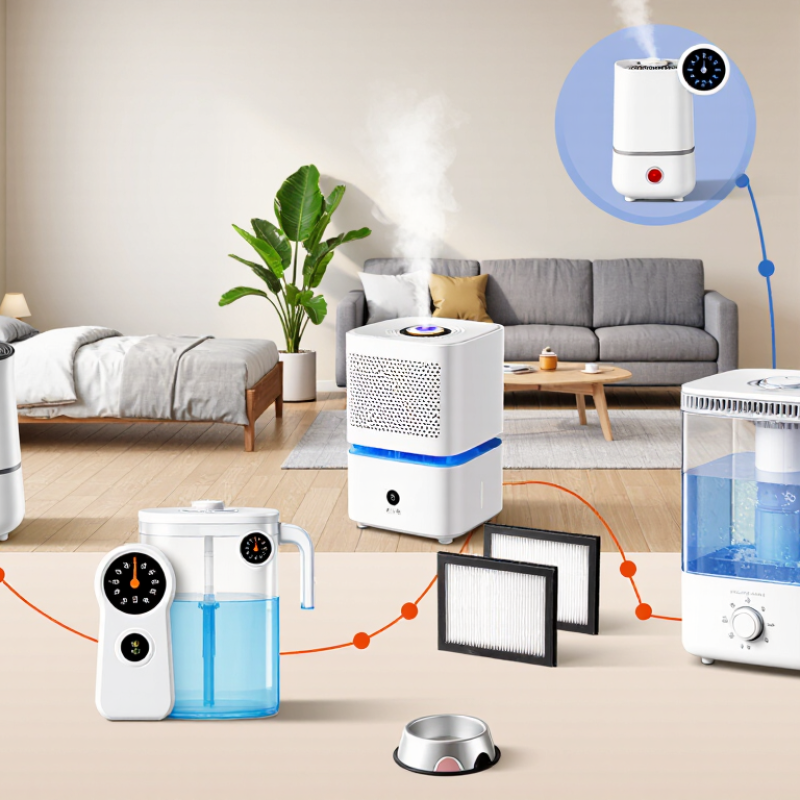
For bedrooms and living rooms, look for automatic humidity control, an adjustable output, easy cleaning, and a tank sized for the room. Evaporative models can reduce over-humidification naturally, ultrasonic models are often quiet, and steam models heat water before releasing moisture.
Which Humidifier Type Fits Your Room and Needs?
What Is the Best Room Humidifier to Buy?
The best humidifier depends on your room, water quality, and tolerance for maintenance. I learned this after placing an ultrasonic unit beside my bed. The mist was quiet, but white mineral dust settled on the dark nightstand. An evaporative humidifier may suit bedrooms better. Its fan pulls air through a wet filter, adding moisture with less visible mist. It can sound like a small fan, though many sleepers accept that steady noise.
Ultrasonic models are often compact and quiet. They work well in nurseries, offices, and small bedrooms. Use low-mineral or distilled water when the manual recommends it. Steam vaporizers boil water and release warm moisture. They can help in a cold room, but hot surfaces require careful placement around children and pets. A central system may be practical for several rooms, yet it needs professional assessment and regular servicing.
Measure the room before buying. A small unit may struggle in a large open space, while an oversized model can leave condensation on windows. Keep indoor humidity near 30% to 50%, checked with a separate hygrometer. Clean the tank and base frequently, and let parts dry fully. I once trusted an automatic setting too much. The room felt comfortable, but the window frame disagreed. That mistake made me check humidity rather than rely on sensation.
What Safety, Maintenance, and Noise Factors Should You Check?
Choosing the best room humidifier starts with safety, not appearance. Look for automatic shutoff when the tank empties. A stable, wide base also matters, especially on a bedside table. Keep the unit away from curtains, books, electrical outlets, and children. Warm-mist models can cause burns if touched or tipped. Cool-mist models are usually safer around families, but they still need careful handling. A built-in humidity sensor is useful, yet a separate hygrometer provides a more trustworthy reading. Aim for roughly 30–50% indoor humidity.
Maintenance often decides whether a humidifier helps or harms. Empty the tank daily, rinse it, and let it dry when possible. Follow the manual’s cleaning schedule, usually every few days. Use clean water, and consider distilled water if white mineral dust appears on furniture. Never ignore a slimy tank or sour smell. Those signs suggest microbial growth. I once assumed a clear tank meant a clean tank. That was a poor assumption. Hidden corners can collect residue quickly. Avoid adding oils, disinfectants, or other substances unless the device specifically supports them.
Noise should be judged in the room where you will sleep. A low fan hum may disappear during the day but become irritating at midnight. Listen for rattling, clicking, or repeated cycling before buying. Evaporative models can sound like small fans, while ultrasonic models are often quieter but may spread minerals. Check the advertised sound level, though real rooms differ. A quiet machine with a small tank may require frequent refills. That trade-off is easy to miss. Consider sleep sensitivity, cleaning time, and replacement filter availability before choosing.
How to Choose the Best Room Humidifier for Your Budget
What Is the Best Room Humidifier to Buy?
How to Choose the Best Room Humidifier for Your Budget
Budget should begin with room size, not mist volume. A compact unit may suit a bedroom, while a larger room needs longer runtime. The U.S. Environmental Protection Agency recommends indoor humidity between 30% and 50%. A basic hygrometer can measure this for little money. Without one, choosing a humidifier becomes guesswork.
For a modest budget, look for an automatic shutoff, a removable tank, and simple cleaning access. A built-in humidistat is worth paying more for. It can stop operation when humidity reaches your selected level. EPA guidance also recommends emptying portable humidifiers daily and cleaning them regularly. That maintenance affects the real cost. Filters, replacement parts, and electricity can quietly exceed the purchase price.
ASHRAE indoor-environment guidance supports controlling humidity for comfort and moisture management. However, bigger is not always better. Excess humidity can encourage condensation around cold windows. My own mistake was trusting advertised runtime without checking the lowest setting. The room felt damp by morning. Measure your space, compare water capacity, and inspect the tank opening before buying. A cheaper model may work well, but only if you will actually clean it.