


Blog
How to Choose the Best Cool Mist Humidifiers?
Indoor air can feel dry when heating runs for hours, leaving a scratchy throat, static on blankets, or dry-looking houseplants. Cool mist humidifiers add moisture without heating water, but the right choice depends on your room, routine, and tolerance for upkeep. A compact model may suit a bedside table; a larger bedroom can need more output and a tank that lasts through the night. Small details matter. A bright display can disturb sleep, and a tank handle that looks convenient may feel awkward when wet.
This guide explains how to compare humidifier types, room coverage, mist output, tank capacity, noise, and operating costs. It also looks at practical features such as adjustable settings, automatic shutoff, and a built-in humidistat. No model is maintenance-free. Regular cleaning matters, and the manufacturer’s instructions should guide water choice and care; some units may leave mineral dust when tap water is used. A separate hygrometer can help you check room humidity instead of guessing from the mist. More moisture is not always better. The best pick is one you can clean consistently and run comfortably, without making the room damp. Your habits count as much as the feature list. That is easy to overlook.
Understand How Cool Mist Humidifiers Work
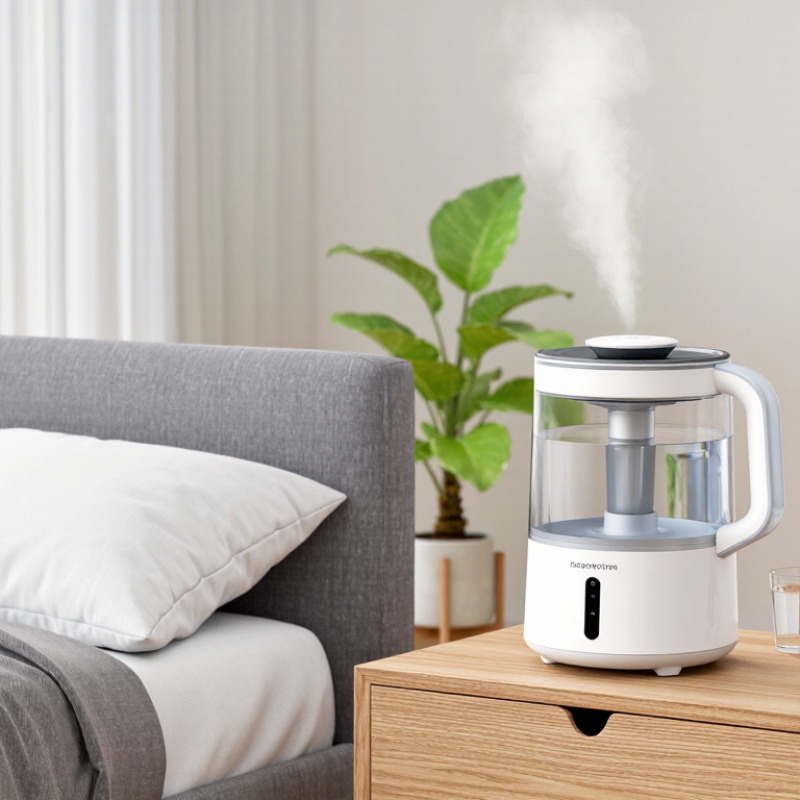
Cool mist humidifiers add water vapor or fine water droplets to indoor air without heating water. The exact process depends on the design. In an ultrasonic model, a rapidly vibrating plate breaks water into tiny droplets that leave through the mist outlet. Evaporative models work differently: a fan pulls room air through a damp wick or filter, and moisture enters the air as the water evaporates. No boiling happens. That can make cool mist useful around children, but the unit still needs careful placement and upkeep.
The difference affects what you notice at home. An ultrasonic unit may leave a faint white mineral dust on nearby furniture when tap water contains many dissolved minerals. An evaporative model usually holds more minerals in its wick, which then needs regular replacement. Both types can raise indoor humidity, so a small hygrometer helps you avoid making a room clammy. That detail is easy to overlook. I’d also check the water tank and cleaning instructions before choosing: stagnant water and neglected surfaces can encourage microbial growth. Regular emptying and cleaning matter, even if the routine feels a little tedious. Keep the mist away from walls, electronics, and bedding, where persistent dampness can cause problems.
Assess Room Size, Climate, and Humidity Needs
Measure the room’s floor area before comparing cool mist humidifiers. Then account for ceiling height, open doorways, and connected spaces; a coverage label may not reflect how air moves through your home. A room-size rating is a starting point, not a promise. In a dry, heated winter room, moisture may disappear faster than in a mild, damp climate. The U.S. Environmental Protection Agency’s A Brief Guide to Mold, Moisture and Your Home recommends keeping indoor relative humidity ideally between 30% and 50%, and below 60%. Use that range to guide your choice rather than assuming more mist is always better.
Check actual humidity with a separate hygrometer, placed away from the mist outlet, windows, and heating vents. A reading near the device can mislead. Watch for clues, too: dry skin and static may suggest low humidity, while window condensation can signal excess moisture. If condensation appears, lower the setting and recheck the room. Not every room responds alike. I would compare the humidifier’s stated coverage with the space you actually use, then adjust gradually as weather changes.
Compare Tank Capacity, Output, and Operating Time
How to Choose the Best Cool Mist Humidifiers?
Compare Tank Capacity, Output, and Operating Time
A humidifier’s tank capacity tells you how much water it holds, but not how quickly it uses it. A small tank may need refilling each evening, while a larger one can run longer between fills. Check the stated output, often measured in milliliters per hour, and match it to your room size. A unit that produces too little mist may struggle in a spacious bedroom; excessive output can leave nearby surfaces damp.
Tips: Compare operating time at the same mist setting. Maximum runtime usually assumes a low setting, so check the manual’s figures before buying. Place the humidifier on a stable, water-resistant surface, away from walls and electronics. Keep it clean.
Think about your routine, too. If you want overnight use, a larger tank and lower output may reduce refills. For a dry room, higher output can help, but you may need to refill sooner. These numbers are useful, not guarantees: room temperature, ventilation, and door openings affect performance. I still find runtime estimates a little easy to misread. Measure your room’s humidity over several days, then adjust the setting and refill schedule.
How to Choose the Best Cool Mist Humidifier
Compare tank capacity, mist output, and estimated operating time. Larger tanks generally run longer, while higher output uses water faster.
Illustrative calculations, not product listings. Estimated runtime = tank capacity ÷ mist output, assuming continuous operation and that the full tank volume is usable. Actual runtime varies by model and setting.
Evaluate Cleaning Requirements, Filters, and Safety Features
Cleaning should be part of the buying decision, not an afterthought. Look for a tank with a wide opening and smooth corners, so a cloth or small brush can reach inside. Empty it daily, let it dry, and follow the manual’s cleaning schedule and approved method. That matters. Mineral deposits can build up quickly in hard-water areas, while standing water can encourage microbial growth. A humidifier that is awkward to clean may be used less carefully, even with good intentions.
Check whether the model uses a replaceable wick or other filter, how often it needs changing, and whether replacements are easy to find. Some filters need more frequent attention when water is mineral-rich. Safety details count, too: choose a stable base, keep the unit and cord out of a child’s reach, and place it on a water-resistant surface away from walls and electronics. Use a hygrometer to monitor room humidity; sustained dampness or window condensation is a sign to turn the output down. Cool mist avoids hot-water burn risks, but it still needs careful placement and routine cleaning. It is easy to focus on tank size and miss the chores that follow.
How to Choose the Best Cool Mist Humidifiers? - Evaluate Cleaning Requirements, Filters, and Safety Features
| Humidifier Type | How It Works | Cleaning Requirements | Filter or Consumable | Safety and Buying Checks |
|---|---|---|---|---|
| Ultrasonic | A vibrating diaphragm breaks water into a fine mist. | Empty and refill with fresh water daily. Clean the water-contact parts regularly; follow the model’s instructions. Mineral deposits may need periodic descaling. | Usually no wick filter. Some models offer an optional demineralization cartridge; it does not replace cleaning. | Minerals in tap water can become airborne as white dust. Consider distilled or low-mineral water, and look for automatic shutoff and a stable, spill-resistant design. |
| Evaporative | A fan moves air through a wet wick or filter, allowing water to evaporate. | Clean the tank and base regularly, and keep the wick or filter in good condition. A damp, dirty wick should be replaced according to the manufacturer’s instructions. | Typically uses a replaceable wick or evaporative filter. Check replacement availability and the recommended replacement interval. | Evaporation generally leaves most minerals behind in the unit. Check for an empty-tank shutoff and easy access to the tank and filter for cleaning. |
| Impeller | A rotating disk throws water into a diffuser, producing a cool mist. | Clean the tank, base, and water-contact components regularly. Design and access differ, so check whether the parts can be reached without special tools. | Often has no wick filter. Some designs include a water-treatment cartridge; check whether it is optional or requires replacement. | Like ultrasonic units, it may disperse minerals from untreated water. Look for automatic shutoff, secure placement, and clear cleaning instructions. |
| Any cool-mist type | Adds moisture to indoor air without boiling water to create the mist. | Change the water daily and dry the unit when it is not in use. The U.S. Environmental Protection Agency advises cleaning portable humidifiers every third day, while following the product manual for its specific procedure. | Replace filters or cartridges as directed. Do not assume a filter makes stagnant water or an unclean tank safe. | Choose easy-to-clean surfaces and a tank opening large enough for access. Keep the unit on a level, water-resistant surface and out of children’s reach. |
Selection tip: Compare cleaning access and ongoing filter costs before choosing. Use a hygrometer to monitor room humidity; the EPA recommends keeping indoor relative humidity below 60%, ideally between 30% and 50%.
Match Noise, Controls, and Costs to Your Household
Choose a humidifier for the room you actually use, not just the largest coverage figure on its box. The U.S. EPA’s A Brief Guide to Mold, Moisture and Your Home recommends indoor relative humidity of 30–50% and keeping it below 60%. A built-in humidistat can help prevent over-humidifying; a separate hygrometer offers a useful check. Quiet matters. For a bedroom, compare measured operating noise, not just a “sleep mode” label. I would not over-trust one showroom test: hard floors and bedside tables can make a soft hum seem louder at night.
Controls should suit your routine. A simple dial is easy to adjust, while timers and automatic shutoff can reduce needless runtime. Check the manual for cleaning frequency and filter replacement costs; a low purchase price may not stay low. To estimate electricity use, multiply the unit’s wattage by daily hours, then by your electricity rate. For example, a 25-watt model running eight hours daily uses about 73 kWh yearly. That is a calculation, not a typical-use guarantee. EPA humidity guidance is a sound starting point, but room size, ventilation, and weather affect results. Keep a small humidity meter nearby and adjust settings when windows begin to fog.
Related Posts
-
Top Cool Mist Humidifiers for Wholesale Buyers
-

How to Choose the Best Air Purifier for Home Use?
-
Best Small Air Purifier for Clean Air in 2026?
-
The Future of Home Wellness with True HEPA Air Purifiers
-
Transform Your Space: The Ultimate Guide to Small Room Air Purifiers for Cleaner Air and Better Health
-
2025's Top 5 Small Warm Mist Humidifiers for Ultimate Comfort