

Blog
Why Choose an Air Purifier for Home?
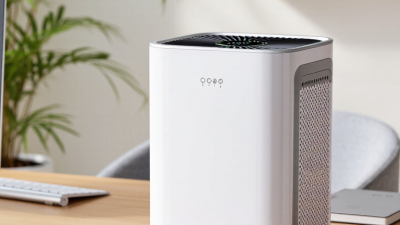
Choosing an air purifier for home use is not merely a response to visible dust. Indoor air can carry fine particles, pet dander, smoke residue, mold spores, and other irritants that remain unnoticed. A purifier gives these pollutants somewhere to go: into a properly fitted filter instead of deeper into the breathing zone. That small bedroom unit may work quietly beside a desk, while a larger model can support cleaner air in an open living area.
Indoor-air-quality expert Dr. Richard Corsi describes portable air cleaners as “one tool in a layered approach” to improving indoor air quality. His point matters. An air purifier for home use should support ventilation, source control, and regular cleaning, not replace them. Look for a suitable CADR rating, a true HEPA filter, reasonable operating noise, and replacement filters that are easy to obtain. A machine that stays switched off is not effective.
The choice also depends on real household habits. A purifier near a cooking area may face grease faster than one in a quiet bedroom. A pet-owning family may need more frequent filter changes. Small details matter.
Still, air purification is not magic.
Some marketing claims sound stronger than the evidence. Room size, maintenance, and pollutant type can change performance. I have also noticed how easily people forget filter replacement when the air appears clean. That is a weakness worth admitting. A reliable air purifier for home should be selected carefully, used consistently, and judged by measurable features rather than attractive promises.
What an Air Purifier Is and How It Cleans Indoor Air
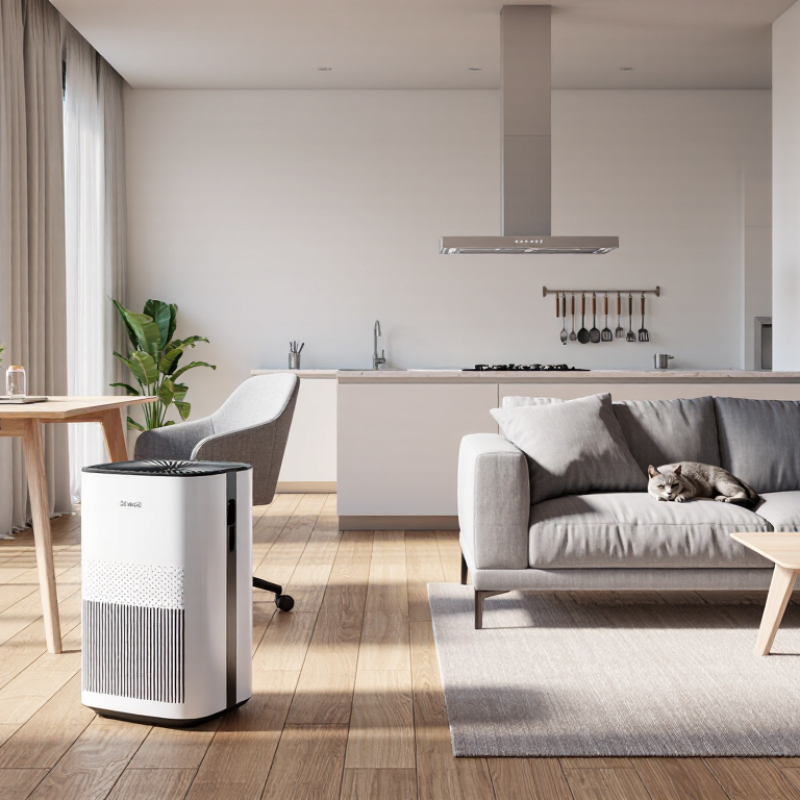
An air purifier is a small appliance that continuously pulls indoor air through one or more filters. A fan creates the airflow, while the filters trap or reduce specific pollutants. Many systems use a pre-filter for hair and dust, a particle filter for fine airborne matter, and activated carbon for some odors and gases. It is not magic.
In practical use, the cleaning process depends on airflow and filter condition. A certified HEPA filter can capture very small particles, including much of the dust, pollen, and smoke suspended in air. Activated carbon works differently. It adsorbs certain gases and smells, but its performance varies with carbon quantity and exposure time. The clean-air delivery rate also matters because a quiet purifier may move too little air for a large room.
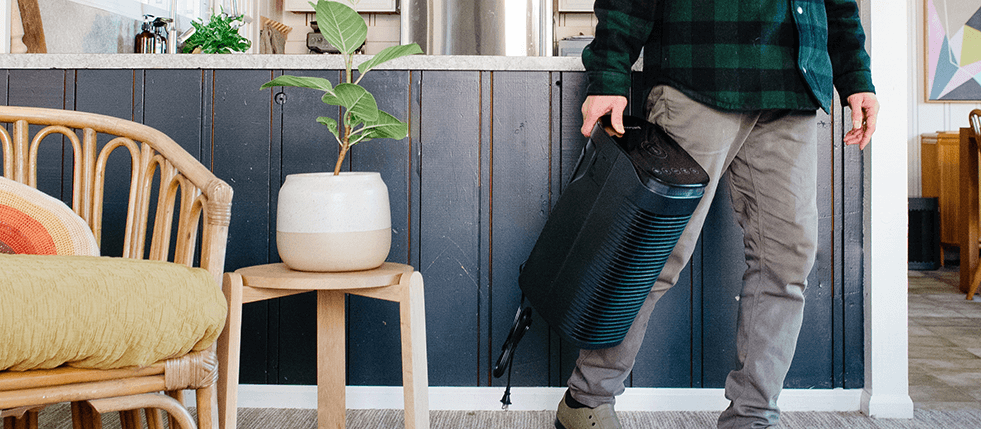
I once placed a purifier beside a wall and noticed weaker circulation across the room. Moving it into a more open area improved airflow, although the result was still difficult to measure without an indoor air monitor. Filters need care. A clogged filter can restrict airflow and increase operating noise, while an overdue carbon filter may stop controlling odors effectively. Purifiers also cannot remove every indoor pollutant. They do not replace ventilation, moisture control, or removing smoke at its source. For this reason, choosing the right room size, checking replacement intervals, and observing actual air conditions are more reliable than trusting a single marketing claim.
Common Indoor Pollutants an Air Purifier Can Help Reduce
Why Choose an Air Purifier for Home?
Common Indoor Pollutants an Air Purifier Can Help Reduce
Indoor air can carry more than dust. Fine particles, called PM2.5, may come from cooking, candles, fireplaces, and outdoor traffic. They can remain suspended in a room, especially when windows stay closed.
A well-maintained purifier with a genuine particle filter can reduce dust, pollen, pet dander, and some mold spores. These pollutants often settle on shelves, sofas, and bedding before becoming airborne again. During spring, I notice pollen collecting near open windows. A purifier may make the room feel less irritating, but it cannot replace regular cleaning.
Some units also use activated carbon to reduce certain odors and volatile organic compounds from paint, furniture, or cleaning products. Performance depends on the amount of carbon, airflow, room size, and filter condition. A small device may struggle in a large living room. That is easy to overlook.
Air purifiers have limits. They do not reliably remove carbon monoxide, radon, excess humidity, or every chemical pollutant. Source control matters: ventilate when practical, avoid indoor smoke, and fix moisture problems promptly. I once assumed a purifier could handle everything, but that view was too simple. Filters need timely replacement, and neglected filters may restrict airflow. Checking the room’s pollution sources and choosing suitable airflow is more dependable than trusting a single appliance.
Health and Comfort Benefits of Using an Air Purifier at Home
Why Choose an Air Purifier for Home?
Health and Comfort Benefits of Using an Air Purifier at Home
Indoor air can hold dust, pollen, pet dander, smoke particles, and other irritants. A suitable air purifier helps reduce these particles while your family rests, works, or sleeps. This benefit may matter most during allergy seasons or in homes near busy roads.
A high-efficiency particle filter can capture many small airborne particles. However, performance depends on room size, airflow, filter condition, and correct placement. Look for a purifier with enough clean air delivery for the room. Keep doors and windows in mind. A small device cannot effectively clean a large, open area.
Cleaner air may support easier breathing and fewer visible dust deposits. Some people also notice less sneezing at night. I have found that placing a quiet unit near a bedroom improves comfort, but individual results vary. It is not a cure for asthma or other medical conditions. A purifier cannot remove every pollutant, and it does not replace ventilation, cleaning, or fixing mold and water leaks.
Maintenance is easy to overlook. It should not be. A clogged filter can reduce airflow and increase operating noise. Follow the manufacturer’s replacement guidance, and avoid using damaged filters. Activated carbon may help with certain odors, but its effectiveness depends on the amount and quality of carbon. Checking indoor sources remains essential. Sometimes the best improvement comes from removing the pollution source, not adding another machine.
Key Air Purifier Technologies and Their Differences
Why Choose an Air Purifier for Home?
Air purifier technology matters more than appearance. HEPA filters use fine fibers to capture airborne particles such as dust, pollen, and some smoke particles. Their performance depends on airflow, filter quality, and proper sealing. A purifier with a high-efficiency filter may still disappoint in a large, open room. Room size matters.
Activated carbon filters work differently. They adsorb certain odors and gases, including cooking smells and some volatile organic compounds. Carbon thickness is important, because a thin layer can become saturated quickly. Electrostatic systems charge particles and collect them on plates. They can be efficient, but some models may produce ozone, which can irritate sensitive lungs. Check independent safety information before choosing one.
Some purifiers use ultraviolet light to reduce viable microorganisms inside the unit. Effectiveness depends on exposure time, lamp intensity, and airflow. It is not a replacement for ventilation or cleaning. In daily use, noise, energy consumption, and filter replacement affect whether people keep the device running. A neglected filter can restrict airflow and reduce performance. That is easy to overlook. I would also avoid treating air purification as a cure-all. Cooking with ventilation, controlling moisture, and removing dust remain necessary. The most reliable choice matches the main pollutant, room size, and maintenance habits.
How to Choose and Maintain the Right Home Air Purifier
Indoor air can look clean while carrying fine particles from cooking, traffic, smoke, and dust. The World Health Organization reports that 99% of people breathe air above its recommended pollution limits. A home air purifier can reduce some airborne particles, but it is not a cure-all.
Choose by room size, filter type, and clean air delivery rate (CADR). The Association of Home Appliance Manufacturers suggests a smoke CADR of at least two-thirds of a room’s floor area in square feet, assuming an eight-foot ceiling. For example, a 180-square-foot bedroom needs roughly 120 CADR. Measure the room, not the whole house. A purifier with a HEPA-grade particle filter is useful for dust and pollen, while activated carbon may help with certain odors. Carbon performance varies widely, so avoid trusting vague labels.
Maintenance decides whether the equipment remains useful. Check the filter every month, especially after renovation, heavy cooking, or wildfire smoke. Replace it when visibly loaded or when airflow drops, following the manufacturer’s schedule. Clean the prefilter and keep air inlets away from curtains and walls. The U.S. Environmental Protection Agency advises choosing a suitable size and following replacement instructions. I still forget filter changes sometimes. A calendar reminder helps. Also, never treat a purifier as permission to ignore ventilation, moisture control, or the source of pollution. Research is useful, but real rooms are messier than test chambers.
Why Choose an Air Purifier for Home?
WHO 2021 air quality guideline levels provide useful reference points when choosing an air purifier. Lower concentrations indicate cleaner air; actual indoor levels depend on ventilation, outdoor pollution, room size, and pollutant sources.
For practical use, select a purifier with a suitable clean air delivery rate for the room, monitor filter condition, and replace filters according to the manufacturer’s instructions. The values shown are WHO 2021 guideline concentrations in µg/m³ and are not brand performance claims.
Related Posts
-
2026 Best Small Air Purifier for Home and Office?
-
China Top Air Purifier Manufacturers for Global Buyers
-
What Is the Best Room Air Purifier in 2026?
-
How to Select the Best Portable Air Purifier for Your Needs
-
How to Choose the Best House Air Purifier?
-
Exploring the Future: The Impact of 2025 Technology Trends on the Best Small Air Purifiers